
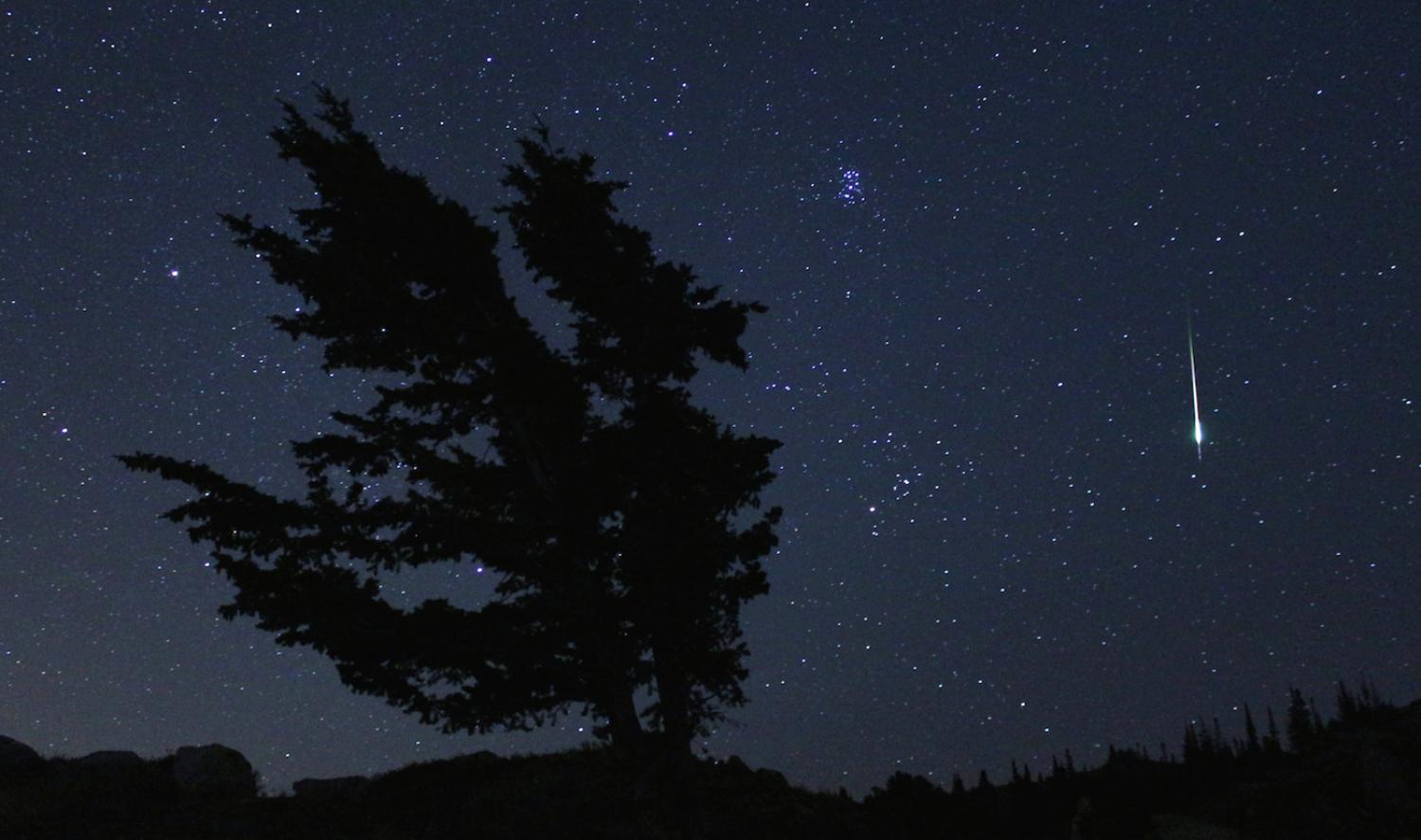
Astronomical Observation: Exploring the Universe from Earth
Astronomical observation is the practice of studying objects and events beyond Earth by collecting and interpreting light and other signals from space. From the Moon’s phases to distant galaxies, careful observation helps us understand how the universe works and how it has changed over time.
What Astronomers Observe
Astronomers study a wide range of objects, including planets, stars, nebulae, galaxies, and black holes. They also investigate events such as meteor showers, eclipses, supernovae, and the movement of asteroids. Some observations focus on individual objects, while others examine broad patterns across the universe.
Light is the most familiar source of astronomical information, but it is not the only one. Scientists can also study radio waves, infrared radiation, X-rays, and other forms of energy. Each wavelength can reveal details that may be hidden from ordinary visible-light telescopes. For example, infrared observations can help researchers study cool objects and peer through clouds of dust, while radio telescopes can detect signals from energetic cosmic environments.
Tools for Observing the Sky
The naked eye is a useful starting point for exploring the night sky. With a clear, dark sky, an observer can see the Moon, bright planets, constellations, and many stars. Binoculars reveal more detail, such as craters on the Moon and star clusters. Telescopes gather more light and can show fainter or more distant objects.
Professional observatories use specialized instruments designed for particular kinds of research. Some telescopes are built on mountaintops, where the air is thinner and clearer. Others operate in space, above the atmosphere, which can blur images or block certain wavelengths. Modern observatories may also use cameras, spectrographs, and computers to measure and analyze observations with great precision.
How Observation Becomes Evidence
Astronomical observation involves more than looking through a telescope. Researchers plan what to observe, select suitable instruments, and record measurements. They then account for factors such as atmospheric conditions, instrument limitations, and background light. Repeated observations can help confirm that a result is reliable rather than a temporary or misleading signal.
One important tool is spectroscopy, which separates light into its component wavelengths. A spectrum can reveal an object’s chemical composition, temperature, and motion. By examining how light shifts toward the red or blue end of the spectrum, astronomers can determine whether an object is moving away from or toward Earth.
Amateur Astronomy
Astronomical observation is not limited to professional scientists. Amateur astronomers can enjoy the sky with little more than curiosity and a clear view of the horizon. A star chart or astronomy app can help identify constellations and planets, while a pair of binoculars offers an affordable way to explore lunar features and bright deep-sky objects.
For a better observing experience, choose a location away from bright city lights when possible. Give your eyes time to adjust to the darkness, dress for the weather, and avoid looking at the Sun through binoculars or a telescope without a properly designed solar filter. Solar viewing without appropriate protection can cause permanent eye damage.
Why Astronomical Observation Matters
Observations have transformed our understanding of the cosmos. They have helped reveal that Earth is one planet among many, that stars are born and die, and that the universe is expanding. Today, astronomers continue to use observations to investigate questions about distant worlds, the origins of galaxies, and the nature of dark matter and dark energy.
Every observation adds another piece to a vast scientific picture. Whether made by a research observatory or a backyard skywatcher, looking upward can inspire curiosity and connect us with the larger universe. The night sky is not just a collection of distant lights—it is a record of cosmic history waiting to be explored.
5 Benefits of Astronomical Observation
- Expands our understanding of the universe.
- Inspires curiosity and scientific thinking.
- Reveals the beauty of the night sky.
- Can be enjoyed with simple, affordable equipment.
- Connects people with discoveries across generations.
Six Challenges of Astronomical Observation
- Light pollution can obscure faint objects.
- Clouds and weather limit visibility.
- High-quality equipment can be expensive.
- Observations may require long hours.
- Atmospheric distortion can blur images.
- Some objects are too distant to resolve clearly.
Expands our understanding of the universe.
Astronomical observation expands our understanding of the universe by revealing how celestial objects form, move, and change over time. By studying light and other signals from stars, planets, galaxies, and distant cosmic events, scientists can investigate the universe’s structure and history. Each new observation adds evidence that helps answer big questions about our place in the cosmos and inspires further discoveries.
Inspires curiosity and scientific thinking.
Astronomical observation inspires curiosity by encouraging people to ask questions about the Moon, planets, stars, and the universe beyond. Tracking a planet or noticing a change in the night sky can lead to deeper questions—and to the habit of seeking evidence, comparing observations, and revising ideas. These are key parts of scientific thinking, making astronomy an engaging way to explore how discovery and critical reasoning work.
Reveals the beauty of the night sky.
Astronomical observation reveals the beauty of the night sky, from the Moon’s glowing craters and the delicate bands of the Milky Way to colorful nebulae and distant galaxies. With the naked eye, binoculars, or a telescope, stargazers can discover patterns and details that are easy to miss in everyday life. These views inspire wonder and offer a memorable reminder of the vast universe beyond Earth.
Can be enjoyed with simple, affordable equipment.
One of the best things about astronomical observation is that it can be enjoyed with simple, affordable equipment. A clear view of the sky and the unaided eye are enough to spot the Moon, bright planets, and familiar constellations. A basic pair of binoculars can reveal lunar craters, star clusters, and other details, making stargazing an accessible hobby for beginners without a major investment.
Connects people with discoveries across generations.
Astronomical observation connects people with discoveries across generations by letting each new generation build on the work of those who came before. Ancient skywatchers recorded the movements of the Sun, Moon, and stars, while modern astronomers use powerful telescopes and advanced instruments to explore distant worlds and galaxies. When people look at the same celestial objects today, they share a sense of wonder with generations past—and contribute observations and questions that may inspire discoveries in the future.
Light pollution can obscure faint objects.
Light pollution can make astronomical observation challenging by brightening the night sky and washing out the faint light from distant stars, galaxies, and nebulae. Streetlights, buildings, and other sources of artificial light create a glow that reduces contrast, making subtle details harder to see—even through a telescope. Observers may need to travel to darker locations to view these objects clearly.
Clouds and weather limit visibility.
Clouds and changing weather can make astronomical observation frustrating and unpredictable. Even thin cloud cover can block faint stars and distant objects, while rain, fog, and atmospheric turbulence may blur or obscure the view. Because clear conditions are essential for many observations, astronomers often have to postpone plans or wait for another night.
High-quality equipment can be expensive.
High-quality astronomical equipment can be expensive, making it harder for beginners and hobbyists to get started. Telescopes, cameras, sturdy mounts, and specialized filters can add up quickly, while advanced models may require extra accessories and ongoing maintenance. Although binoculars or community observatories offer more affordable ways to explore the sky, achieving detailed observations often requires a significant investment.
Observations may require long hours.
Astronomical observation can require long hours, which may be tiring and difficult to fit around everyday responsibilities. Some events happen only at certain times, while faint objects may need extended exposure or repeated monitoring. Observers may also have to stay awake late into the night and wait through cold, uncomfortable conditions, making patience and careful planning essential.
Atmospheric distortion can blur images.
Earth’s atmosphere can distort astronomical observations by bending and scattering incoming light as it passes through layers of air with different temperatures and densities. This effect, often called atmospheric seeing, can make stars appear to twinkle and blur fine details in images of planets, stars, and galaxies. Even powerful ground-based telescopes may produce less sharp views when air turbulence is strong, making it harder to study small or distant features. Astronomers reduce the problem by observing from high, dry locations, using adaptive optics to correct for atmospheric movement, or placing telescopes in space.
Some objects are too distant to resolve clearly.
One challenge of astronomical observation is that some objects are so distant that telescopes cannot resolve them clearly. Their light may be faint, and fine details can blur together, making it difficult to distinguish features such as a planet’s surface or the structure of a distant galaxy. Even powerful instruments have limits, so astronomers often use indirect measurements and combine data from multiple observations to learn more about these faraway objects.