
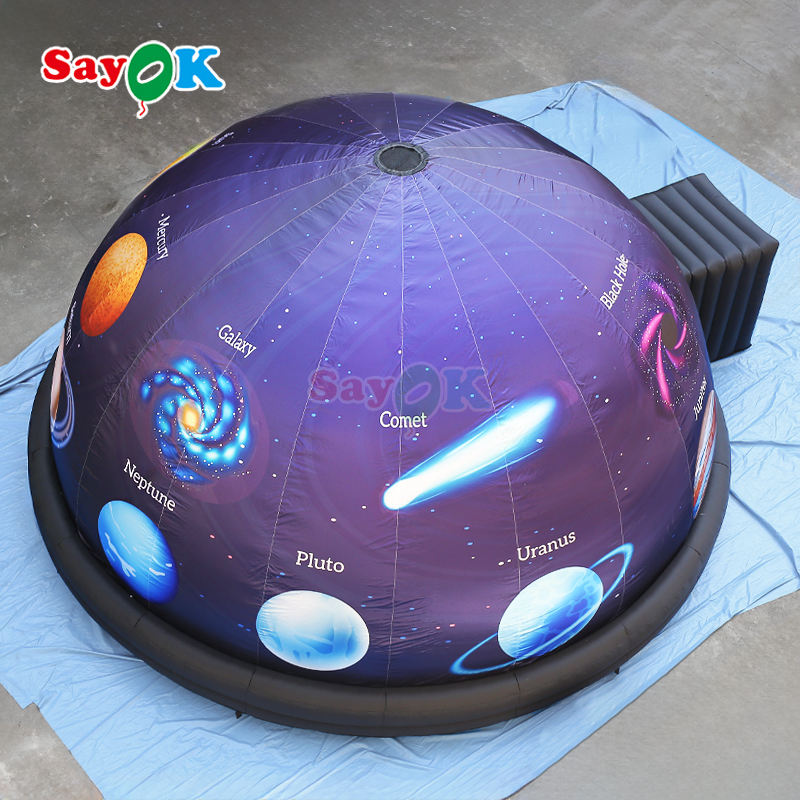
Inflatable Planetariums for Schools: Bringing the Universe Into the Classroom
An inflatable planetarium can turn a gym, multipurpose room, or large classroom into an immersive space for exploring astronomy. Inside the portable dome, students can view projected images of stars, planets, constellations, and other celestial objects—without leaving school.
For schools looking to make science lessons more engaging, an inflatable planetarium offers a flexible way to bring the night sky indoors. It can support classroom learning, special events, and activities for students across a range of grade levels.
What Is an Inflatable Planetarium?
An inflatable planetarium is a portable dome that is set up indoors and used as a viewing space for astronomy programs. A projector or other display system presents images across the dome’s interior, surrounding the audience with a view of space. Depending on the equipment and program, presentations may be live, prerecorded, or interactive.
Unlike a permanent planetarium, an inflatable model can be packed away and moved between locations. Schools may purchase one for recurring use or arrange a visit from a mobile planetarium provider.
Why Use a Planetarium at School?
Make abstract ideas easier to visualize
Many astronomy topics are difficult to observe directly during the school day. A dome presentation can help students picture the motion of planets, the scale of the solar system, patterns in the night sky, and the relationship between Earth and space.
Encourage curiosity and participation
Being surrounded by a projected sky can make a lesson feel like an experience rather than a lecture. Students may be more inclined to ask questions, notice details, and discuss what they see. Some programs also include opportunities for guided activities or audience interaction.
Support learning across grade levels
Planetarium content can be adapted for different ages. Younger students might explore the Moon, the Sun, and familiar constellations, while older students can study topics such as planetary motion, stars, galaxies, and the scale of the universe. Teachers can connect presentations to current classroom units.
Bring a special event to campus
An inflatable planetarium can be used for science nights, assemblies, enrichment days, summer programs, and other school events. A portable dome may also serve multiple classes or groups in a single day, depending on its capacity and schedule.
Choosing an Inflatable Planetarium for Your School
The right setup depends on the school’s space, budget, schedule, and learning goals. Before purchasing a dome or booking a program, consider the following:
- Capacity: Check how many students can safely and comfortably attend each session. A smaller dome may work well for classes, while larger groups may need several sessions.
- Room requirements: Confirm the dome’s dimensions and the amount of clear floor space needed for setup. Consider ceiling height, doorways, ventilation, and access to power.
- Accessibility: Ask how students with mobility, sensory, or other access needs can participate. Review entry arrangements, seating options, sound levels, and any visual effects in advance.
- Content and curriculum: Look for programs that match students’ ages and connect with the subjects being taught. Ask whether teachers can preview the presentation or request specific topics.
- Equipment and support: Find out what is included, who handles setup and operation, and what technical assistance is available.
- Care and storage: If buying a dome, review cleaning, maintenance, storage, and transportation needs. Follow the manufacturer’s instructions for inflation and use.
Safety and Setup Considerations
Before an inflatable planetarium is installed, the school should identify a suitable indoor location and review the provider’s setup requirements. Keep pathways and exits clear, follow occupancy limits, and make sure students know how to enter and leave the dome calmly. Staff should also review supervision procedures and any emergency instructions before the program begins.
Because a planetarium is typically dark during a presentation, clear communication matters. Explain the experience to students beforehand, and share any relevant information with families or staff who may need to prepare students for a dark, enclosed space or projected visuals.
Making the Most of the Experience
A planetarium visit can be more meaningful when it is part of a broader lesson. Before the presentation, invite students to share what they already know and what they want to find out. Afterward, have them draw a constellation, compare planets, write questions about space, or explain one idea they learned.
Teachers can also connect the experience to subjects beyond science. Students might create space-themed artwork, write a fictional mission log, or practice using scale and measurement to compare distances. These follow-up activities help turn a memorable presentation into an opportunity for continued learning.
A Portable Window Into Space
An inflatable planetarium gives schools a practical way to introduce students to astronomy in an immersive setting. With thoughtful planning, age-appropriate content, and a suitable space, it can complement classroom instruction and inspire students to keep asking questions about the universe.
7 Essential Tips for Using an Inflatable Planetarium in Schools
- Choose a dome size that fits your classroom or gym.
- Check ceiling height and clear floor space before setup.
- Use a quiet blower and plan for its power needs.
- Keep exits and walkways clear around the dome.
- Follow the manufacturer’s setup and supervision guidelines.
- Pick age-appropriate shows aligned with your curriculum.
- Let the dome air out and dry fully before storage.
Choose a dome size that fits your classroom or gym.
Choose an inflatable planetarium dome that fits the space where it will be used. Measure the classroom or gym in advance, including the ceiling height and clear floor area, and compare those dimensions with the dome’s setup requirements. Leave room for students to enter and exit safely, and make sure the dome won’t block doors, walkways, or emergency exits. A well-sized dome helps create a comfortable experience while making setup and supervision easier.
Check ceiling height and clear floor space before setup.
Before setting up an inflatable planetarium, check that the room has enough ceiling height and clear floor space for the dome and its equipment. Measure the area in advance, and account for entryways, furniture, lights, and other obstacles. A suitable space helps ensure a smooth setup and gives students room to enter, exit, and enjoy the presentation safely.
Use a quiet blower and plan for its power needs.
Choose an inflatable planetarium with a quiet blower to help students hear the presentation and stay focused. Before setup, check the blower’s power requirements and make sure the room has a suitable outlet nearby. If an extension cord is needed, use one rated for the equipment and place it where it won’t create a tripping hazard. Planning for both noise and power can make the experience safer and more comfortable for everyone.
Keep exits and walkways clear around the dome.
Keep all exits and walkways around the inflatable planetarium clear before, during, and after each presentation. Avoid placing bags, chairs, or equipment near the dome’s entrance or along paths students may need to use. Clear routes help students and staff move safely, reduce the risk of trips, and make it easier to exit quickly in an emergency.
Follow the manufacturer’s setup and supervision guidelines.
Follow the manufacturer’s setup and supervision guidelines whenever you use an inflatable planetarium at school. These instructions explain how to choose a suitable space, inflate and secure the dome, manage occupancy, and operate the equipment safely. Before students enter, make sure staff understand their supervision roles, exits remain clear, and everyone knows how to enter and leave calmly. Following the guidance helps create a safe, comfortable experience for students and staff alike.
Pick age-appropriate shows aligned with your curriculum.
Choose planetarium shows that are appropriate for your students’ ages and connect with what they’re learning in class. Younger students may enjoy simple introductions to the Moon, planets, and constellations, while older students may be ready for deeper topics such as planetary motion, stars, and galaxies. When a show reinforces your curriculum, students can build on familiar ideas, stay engaged, and carry what they learn back into the classroom.
Let the dome air out and dry fully before storage.
After each use, let the inflatable planetarium air out and dry completely before packing it away. Trapped moisture can lead to mildew, unpleasant odors, or damage to the dome material over time. Check both the inside and outside for damp spots, and allow extra drying time if the dome was used in humid conditions or cleaned recently. Once it’s fully dry, fold and store it according to the manufacturer’s instructions.