
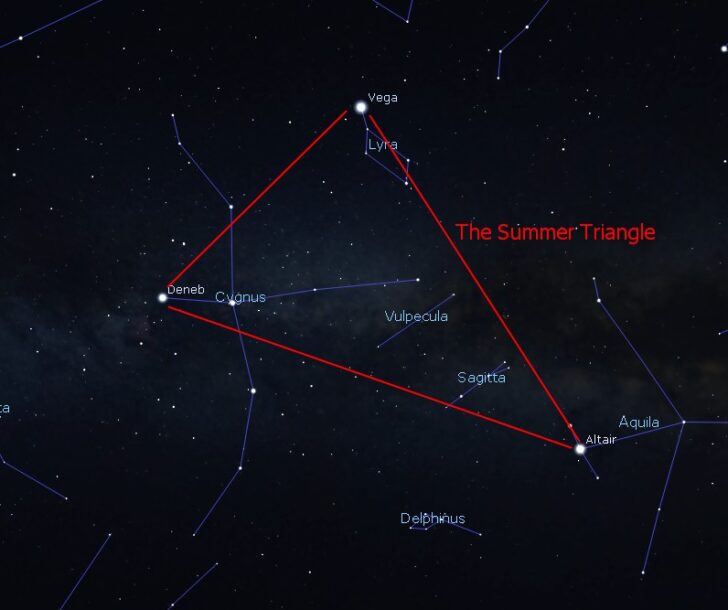
The Enigmatic Beauty of Stars in the Night Sky
As we gaze up at the night sky, one of the most captivating sights that greets us is the twinkling stars scattered across the darkness. These celestial bodies have fascinated humanity for centuries, inspiring myths, scientific discoveries, and a sense of wonder about the vastness of the universe.
Stars are luminous spheres of plasma held together by their own gravity. They emit light and heat through nuclear reactions in their cores, creating a dazzling display that illuminates our night sky. Each star has its own unique characteristics, from size and temperature to color and brightness.
One of the most mesmerizing aspects of stars is their sheer number. It is estimated that there are billions upon billions of stars in our galaxy alone, each one a distant sun with its own system of planets and moons. The patterns formed by these stars have been used for navigation, storytelling, and even predicting the future in various cultures throughout history.
Despite their distance from Earth, stars continue to hold a special place in our collective imagination. They symbolize hope, guidance, and eternal beauty in a world that can often feel chaotic and uncertain. Looking up at the starry sky on a clear night can evoke a sense of peace and connection to something greater than ourselves.
Whether you’re an amateur stargazer or a seasoned astronomer, the sight of stars twinkling in the night sky never fails to inspire awe and curiosity. Each star tells a story billions of years in the making, reminding us of our place in the vast cosmos and igniting a sense of wonder about what lies beyond our earthly realm.
So next time you find yourself under a blanket of stars, take a moment to appreciate their beauty and mystery. For in those tiny points of light scattered across the darkness lies an entire universe waiting to be explored.
6 Essential Tips for Stargazing: Discover the Night Sky
- Look for stars in areas with minimal light pollution.
- Use a star map or stargazing app to identify constellations.
- Allow your eyes to adjust to the darkness to see more stars.
- Consider using binoculars or a telescope for a closer view of stars.
- Watch for shooting stars during meteor showers.
- Learn about the mythology and science behind different star formations.
Look for stars in areas with minimal light pollution.
To truly appreciate the beauty of stars in the night sky, it is essential to seek out areas with minimal light pollution. By escaping the glare of city lights and finding a spot where the night sky can shine in all its natural splendor, you can witness a breathtaking display of stars twinkling brightly above. The absence of light pollution allows for a clearer view of the celestial wonders above, enhancing the experience and deepening your connection to the vast universe that stretches out before you.
Use a star map or stargazing app to identify constellations.
To enhance your stargazing experience, consider using a star map or a stargazing app to help you identify constellations in the night sky. These tools can provide valuable guidance in locating and recognizing different star patterns, allowing you to connect with the stories and myths behind each constellation. By utilizing a star map or app, you can deepen your understanding of the celestial wonders above and make your stargazing sessions even more rewarding and educational.
Allow your eyes to adjust to the darkness to see more stars.
Allowing your eyes to adjust to the darkness is a simple yet effective tip for observing more stars in the night sky. By giving your eyes time to adapt to the low light conditions, you enhance your ability to perceive fainter stars that may otherwise go unnoticed. This natural process, known as dark adaptation, enables you to fully appreciate the beauty and depth of the starry heavens above. So, next time you find yourself stargazing, take a moment to let your eyes adjust and watch as the night sky reveals its hidden treasures in all their celestial glory.
Consider using binoculars or a telescope for a closer view of stars.
For a more immersive stargazing experience, consider using binoculars or a telescope to get a closer view of the stars in the night sky. These optical tools can enhance your observation by magnifying the distant celestial bodies, allowing you to see details that may not be visible to the naked eye. With binoculars or a telescope, you can explore the intricate patterns of star clusters, marvel at the rings of Saturn, or even spot distant galaxies millions of light-years away. So grab your equipment and venture into the depths of space for a truly mesmerizing encounter with the stars above.
Watch for shooting stars during meteor showers.
During meteor showers, keep a keen eye out for shooting stars streaking across the night sky. These celestial events offer a spectacular display as debris from comets or asteroids burns up in Earth’s atmosphere, creating bright trails of light that are sure to mesmerize anyone lucky enough to witness them. Grab a blanket, find a cozy spot away from city lights, and prepare to be amazed by nature’s own dazzling fireworks show as shooting stars dance among the stars during a meteor shower.
Learn about the mythology and science behind different star formations.
To deepen your appreciation of the stars in the night sky, take the time to explore both the mythology and science behind different star formations. Delve into ancient tales and legends that connect constellations to heroes, gods, and mythical creatures, unraveling the cultural significance attributed to these celestial patterns. Simultaneously, immerse yourself in the scientific explanations of how these stars came to be arranged as they are, understanding the physics and astronomy that govern their positions and movements. By blending mythology with science, you can enrich your stargazing experience with a deeper understanding of the wonders above.