
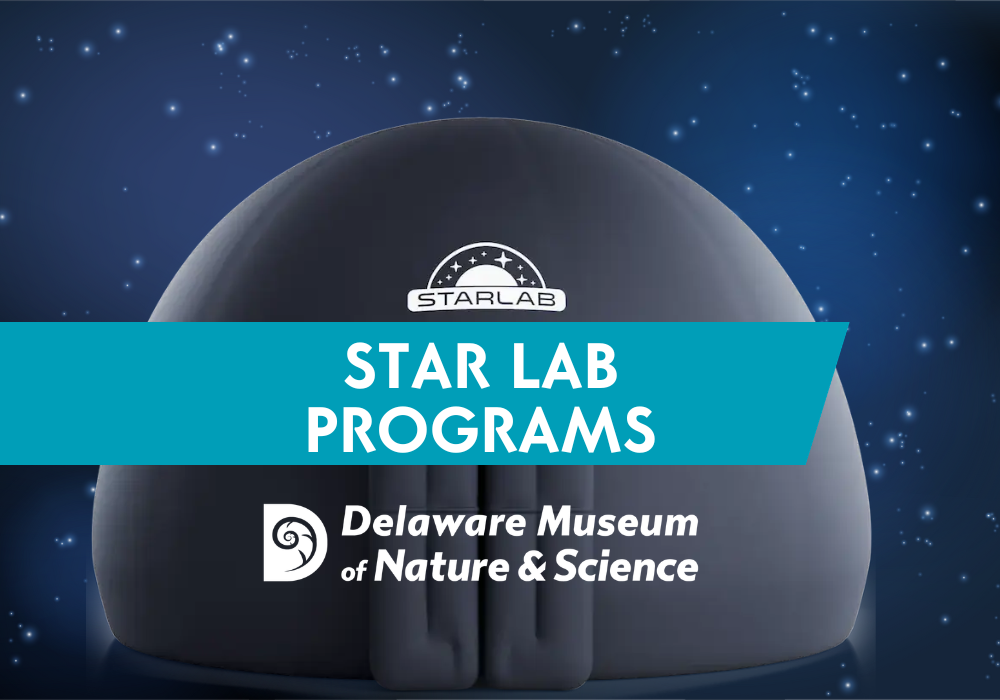
Star Lab Planetarium: Bringing the Universe to the Classroom
A star lab planetarium turns a classroom, gym, or community space into a window on the night sky. Inside a portable dome, visitors can explore stars, planets, constellations, and other celestial wonders through an immersive presentation designed to make astronomy feel close at hand.
What Is a Star Lab Planetarium?
Unlike a permanent planetarium with a dedicated theater, a star lab is typically a compact, portable setup. A projection system displays the sky across the inside of a dome, surrounding viewers with images of the cosmos. Because the equipment can travel, a planetarium experience can come to schools, libraries, museums, and community events.
Programs vary, but they may introduce viewers to the patterns of the night sky, the motions of Earth and the Moon, the planets in our solar system, or the life cycle of stars. Some presentations also explore topics such as space exploration and the search for worlds beyond our solar system.
Learning Under the Dome
The dome environment helps make abstract ideas easier to picture. Students can look up to see how stars appear to move across the sky, how constellations relate to one another, or how the Moon changes position over time. A presenter can pause to answer questions and connect what appears overhead with concepts students encounter in science class.
A star lab can also encourage curiosity beyond the lesson itself. Seeing familiar constellations or recognizing a planet in the sky may inspire students to observe the night sky at home. The experience can support lessons in astronomy, physics, geography, and the history of science.
A Shared Experience for Different Ages
Planetarium programs can be adapted for a range of ages and interests. Younger visitors may enjoy a gentle introduction to the Sun, Moon, and planets, while older students can explore more detailed ideas about gravity, orbits, galaxies, and the scale of the universe. For families and community groups, a guided tour of the night sky can be an engaging introduction to astronomy.
What to Expect During a Visit
Visitors usually enter the dome and sit or recline so they can look upward at the projection. A session may be led by an educator or presenter, with time for questions and discussion. Since portable planetariums have limited space, organizers may schedule several sessions and ask groups to arrive at a designated time.
For schools or event organizers, useful questions include how many people the dome can accommodate, what age groups the programs suit, how much room and setup time are required, and whether the presentation can connect with a particular curriculum or theme.
Exploring the Universe Close to Home
A star lab planetarium brings the wonder of space into familiar places. By combining vivid imagery with guided learning, it offers an accessible way to explore the sky, ask big questions, and spark lasting interest in science. For students and curious visitors alike, stepping beneath the dome can be the beginning of a much larger adventure.
Everything You Need to Know About Star Lab Planetariums: FAQs and Insights
- What is a Star Lab planetarium?
- How does a Star Lab planetarium work?
- What topics can students explore in a Star Lab planetarium?
- What age groups is a Star Lab planetarium suitable for?
- How many people can fit inside a Star Lab planetarium dome?
- How much space is needed to set up a Star Lab planetarium?
- How long does a Star Lab planetarium presentation last?
- Can a Star Lab planetarium be brought to schools, libraries, or community events?
What is a Star Lab planetarium?
A Star Lab planetarium is a portable, dome-shaped theater that brings an immersive view of the night sky to places like schools, libraries, and community centers. Inside the dome, projections show stars, constellations, planets, and other celestial objects, while an educator or recorded program may guide visitors through the experience. Unlike a permanent planetarium, a Star Lab can travel to different locations, making astronomy engaging and accessible for learners of many ages.
How does a Star Lab planetarium work?
A Star Lab planetarium typically uses a portable dome and a projection system to display the night sky all around its audience. Specialized software can show stars, constellations, planets, and other celestial objects, while adjusting the view to demonstrate how the sky changes over time or from one location to another. An educator or presenter often guides the show, explaining what viewers see and answering questions.
What topics can students explore in a Star Lab planetarium?
Students can explore a wide range of astronomy topics in a Star Lab planetarium, including constellations, the apparent motion of the stars, the phases of the Moon, the planets and other objects in our solar system, and the life cycle of stars. Depending on the program, they may also learn about galaxies, eclipses, space exploration, and how Earth’s position and movement shape what we see in the night sky.
What age groups is a Star Lab planetarium suitable for?
A Star Lab planetarium can be suitable for a wide range of ages, from young children to teens and adults. Programs are often adjusted to match the audience, with simple introductions to stars and planets for younger visitors and more detailed topics—such as orbits, galaxies, and space exploration—for older students. Check with the program provider to find out which presentations are best for your group’s age and learning level.
How many people can fit inside a Star Lab planetarium dome?
The number of people who can fit inside a Star Lab planetarium dome depends on the dome’s size and seating arrangement. Smaller domes may accommodate a class-sized group, while larger models can hold more visitors; capacity may also vary depending on age and whether guests sit or lie back to view the projection. Check the specific dome’s stated capacity with the school or provider before planning a visit.
How much space is needed to set up a Star Lab planetarium?
The space needed for a Star Lab planetarium depends on the size of the dome and the specific equipment being used. In addition to the dome’s footprint, allow room for entry, safe movement, and setup. A flat, clear indoor area with sufficient ceiling height is usually best; check the provider’s measurements and requirements before choosing a location.
How long does a Star Lab planetarium presentation last?
A Star Lab planetarium presentation typically lasts about 30 to 45 minutes, though the length can vary by program, audience age, and venue. Check with the event organizer or provider for the schedule and allow extra time for entering and exiting the dome.
Can a Star Lab planetarium be brought to schools, libraries, or community events?
Yes. Many Star Lab planetariums are portable and can be set up at schools, libraries, museums, and community events. Before booking, check with the provider about available programs, audience size, space and ceiling-height requirements, setup time, and accessibility needs.