
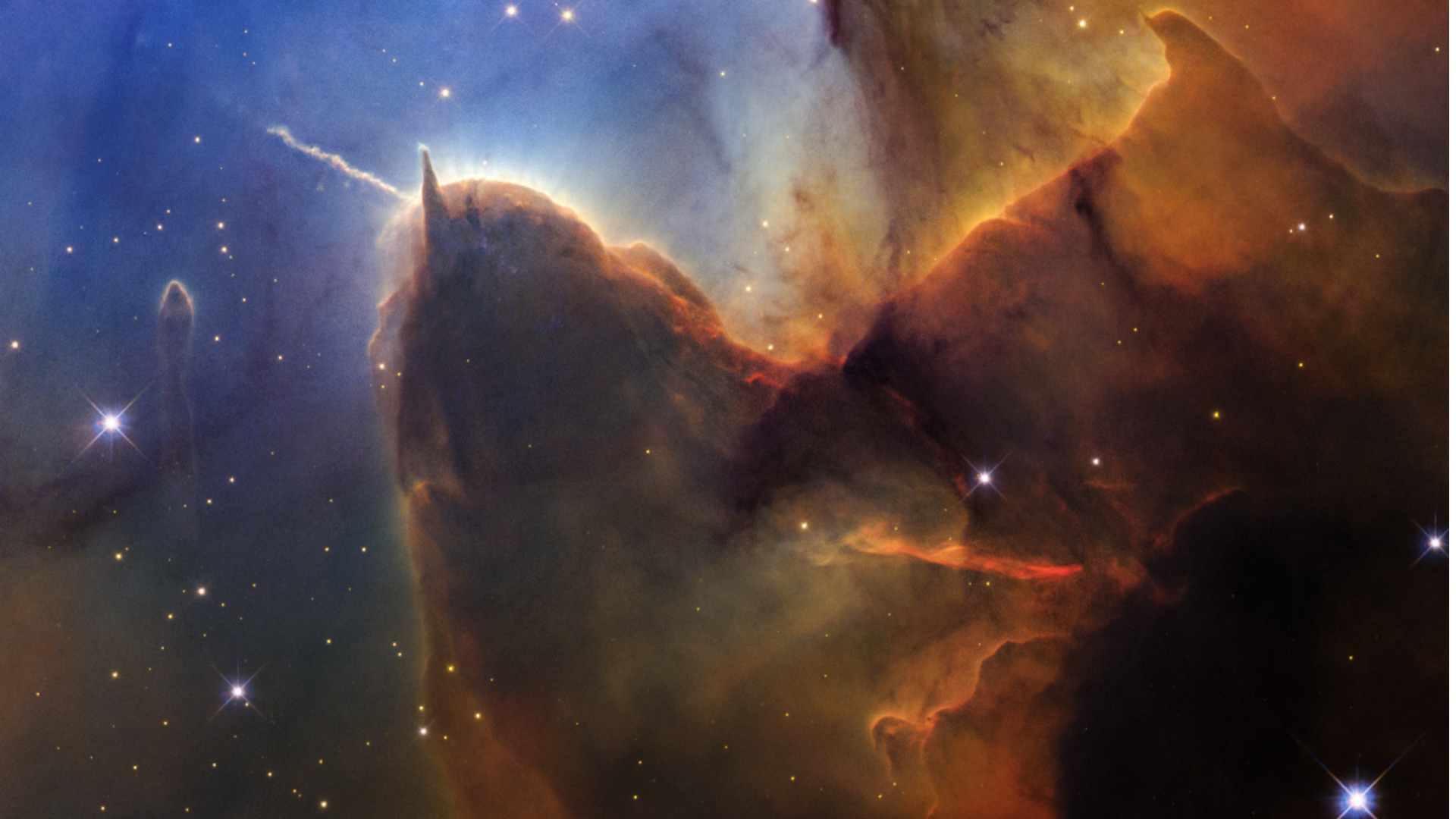
NASA’s Exploration of the Orion Nebula
The Orion Nebula, also known as Messier 42, is a stunningly beautiful region in space located in the Milky Way galaxy. It is one of the most scrutinized and photographed celestial objects due to its proximity to Earth and its vibrant colors.
NASA, the renowned space agency, has been actively studying the Orion Nebula to unravel its mysteries and understand more about star formation and planetary systems. The nebula is a stellar nursery where new stars are born from collapsing clouds of gas and dust.
One of NASA’s most significant missions related to the Orion Nebula was carried out by the Hubble Space Telescope. Hubble captured breathtaking images of this cosmic wonder, revealing intricate details of young stars, protoplanetary disks, and glowing gas clouds within the nebula.
In addition to Hubble’s observations, NASA’s James Webb Space Telescope (JWST) is poised to further explore the Orion Nebula in unprecedented detail. JWST’s advanced instruments will enable scientists to peer through the dusty regions of the nebula and observe stellar nurseries with unparalleled clarity.
Studying the Orion Nebula provides valuable insights into how stars form, evolve, and interact with their surroundings. By analyzing this dynamic region of space, NASA scientists can piece together the puzzle of our cosmic origins and gain a deeper understanding of the processes that shape our universe.
As NASA continues its exploration of the Orion Nebula and other celestial phenomena, we are reminded of the vastness and beauty of our universe, sparking wonder and curiosity about what lies beyond our own planet Earth.
Exploring the Orion Nebula: NASA’s Insights and Discoveries
- What is the Orion Nebula?
- How far away is the Orion Nebula from Earth?
- Why is NASA interested in studying the Orion Nebula?
- What can we learn from studying the Orion Nebula?
- What missions has NASA conducted to explore the Orion Nebula?
- Are there planets forming in the Orion Nebula?
- What are some of the unique features of the Orion Nebula?
- How does NASA’s research on the Orion Nebula contribute to our understanding of space?
What is the Orion Nebula?
The Orion Nebula, also known as Messier 42, is a captivating region in space located within the Milky Way galaxy. It is a stellar nursery where new stars are born from collapsing clouds of gas and dust. This cosmic wonder has drawn significant attention from astronomers and space enthusiasts due to its proximity to Earth and its stunning visual appearance. NASA has conducted extensive research on the Orion Nebula to unravel the secrets of star formation and planetary systems, using advanced telescopes like the Hubble Space Telescope and the upcoming James Webb Space Telescope. Studying the Orion Nebula provides valuable insights into the processes that shape our universe and offers a glimpse into the intricate mechanisms of cosmic evolution.
How far away is the Orion Nebula from Earth?
The Orion Nebula, a captivating celestial spectacle in the Milky Way galaxy, is located approximately 1,344 light-years away from Earth. This distance may seem vast in human terms, but in the grand scale of the universe, it is considered relatively close. Despite its distance, astronomers and space agencies like NASA have been able to study and capture mesmerizing images of the Orion Nebula, shedding light on the processes of star formation and providing insights into the cosmic wonders that exist beyond our home planet.
Why is NASA interested in studying the Orion Nebula?
NASA is deeply intrigued by the Orion Nebula due to its significance as a stellar nursery where new stars are born. By studying this cosmic region, NASA aims to unravel the mysteries of star formation processes and gain insights into how planetary systems evolve. The Orion Nebula offers a unique opportunity to observe the birth of stars up close and understand the complex interplay between gas, dust, and young stellar objects. Through detailed observations and analysis of the Orion Nebula, NASA scientists can expand our understanding of the fundamental mechanisms that shape galaxies and ultimately shed light on the origins of our universe.
What can we learn from studying the Orion Nebula?
Studying the Orion Nebula offers a wealth of knowledge and insights into the fascinating processes of star formation and evolution. By observing this stellar nursery, scientists can gain a deeper understanding of how stars are born from collapsing clouds of gas and dust, shedding light on the mechanisms that drive these cosmic phenomena. Additionally, studying the Orion Nebula provides valuable data on the formation of planetary systems and the interactions between young stars and their surrounding environments. Through detailed observations and analysis of this celestial marvel, researchers can piece together crucial information about our universe’s origins and evolution, offering a glimpse into the intricate tapestry of cosmic creation.
What missions has NASA conducted to explore the Orion Nebula?
NASA has conducted several missions to explore the Orion Nebula, a fascinating region in space known for its active star formation. Notable among these missions is the Hubble Space Telescope’s observations, which have provided stunning images and valuable data on the nebula’s structure and dynamics. Additionally, NASA’s upcoming James Webb Space Telescope is poised to delve even deeper into the mysteries of the Orion Nebula, promising to reveal unprecedented details about the processes of star birth and evolution within this cosmic nursery. These missions showcase NASA’s dedication to unraveling the secrets of our universe and expanding our knowledge of celestial phenomena like the Orion Nebula.
Are there planets forming in the Orion Nebula?
One frequently asked question about the Orion Nebula is whether there are planets forming within it. NASA’s research and observations suggest that the Orion Nebula is indeed a hub for stellar birth, with collapsing clouds of gas and dust giving rise to new stars and potentially planetary systems. The intricate processes of star formation observed in the nebula indicate that planets may be in the early stages of development around these young stars. NASA’s ongoing exploration of the Orion Nebula aims to uncover more about these planetary formation processes, shedding light on the origins of celestial bodies within this cosmic nursery.
What are some of the unique features of the Orion Nebula?
The Orion Nebula, a captivating celestial spectacle, boasts several unique features that set it apart in the cosmos. One notable characteristic is its vibrant array of colors, ranging from deep reds to bright blues, created by the interaction of young stars with surrounding gases. Another distinctive aspect is the presence of protoplanetary disks, which are swirling formations of dust and gas that may eventually coalesce into planets. Additionally, the Orion Nebula is home to a cluster of hot, massive stars known as the Trapezium Cluster, illuminating the surrounding nebula with their intense radiation. These remarkable features make the Orion Nebula a fascinating subject of study for astronomers and space enthusiasts alike.
How does NASA’s research on the Orion Nebula contribute to our understanding of space?
NASA’s research on the Orion Nebula plays a crucial role in advancing our understanding of space in several ways. By studying this stellar nursery, NASA gains insights into the processes of star formation, planetary evolution, and the dynamics of interstellar gas and dust clouds. The observations and data collected from the Orion Nebula provide valuable information about the early stages of cosmic evolution, shedding light on how stars are born and how they influence their surrounding environments. This research not only deepens our knowledge of the universe’s mechanisms but also helps us grasp the fundamental principles that govern celestial bodies and their interactions in space.