
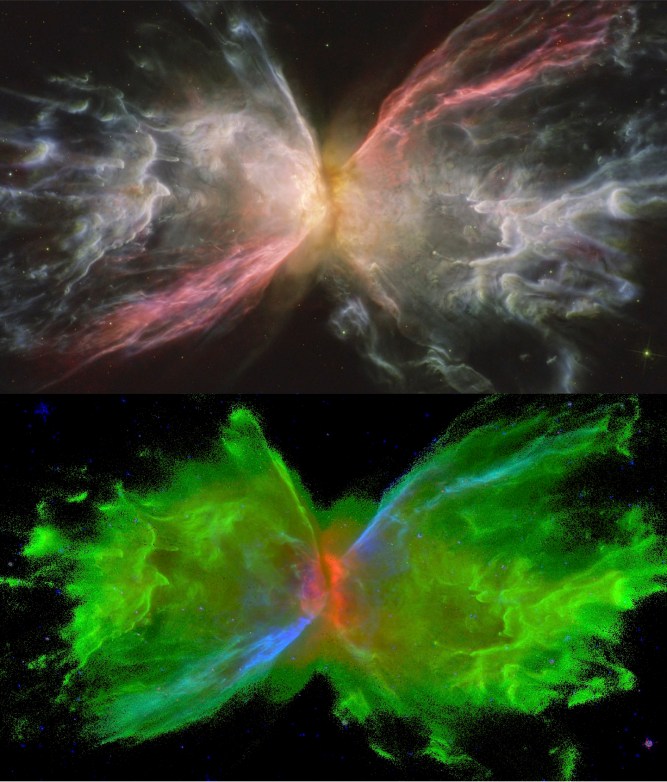
The Hubble Telescope: Unveiling the Mysteries of Nebulae
Since its launch in 1990, the Hubble Space Telescope has revolutionized our understanding of the cosmos. One of its most captivating discoveries has been the breathtaking images it has captured of nebulae, vast clouds of gas and dust where stars are born and die.
Exploring the Beauty of Nebulae
Nebulae come in various shapes and sizes, each with its own unique characteristics. The Hubble Telescope’s high-resolution images have allowed astronomers to study these cosmic wonders in unprecedented detail, revealing intricate patterns, vibrant colors, and dynamic processes at play.
The Pillars of Creation
One of the most iconic images taken by the Hubble Telescope is that of the Eagle Nebula’s “Pillars of Creation.” These towering columns of gas and dust serve as stellar nurseries, where new stars are born amidst the chaos of cosmic evolution. The sheer beauty and complexity of this nebula captured in Hubble’s image have inspired awe and wonder among scientists and enthusiasts alike.
The Cat’s Eye Nebula
Another striking example is the Cat’s Eye Nebula, a planetary nebula located thousands of light-years away. The Hubble Telescope’s observations have revealed intricate details within this celestial object, showcasing concentric rings of material expelled by a dying star. These observations have provided valuable insights into the final stages of stellar evolution.
Unveiling Cosmic Mysteries
Through its exploration of nebulae, the Hubble Space Telescope has deepened our understanding of star formation, stellar death, and the dynamics of interstellar matter. By studying these cosmic phenomena up close, astronomers can unravel the mysteries of our universe and gain insights into its past, present, and future.
A Window to the Universe
The Hubble Telescope continues to be a beacon of discovery, capturing stunning images that not only expand our scientific knowledge but also inspire wonder and curiosity about the vastness of space. Its exploration of nebulae serves as a reminder that there is still much to learn and explore beyond our own planet.
As we gaze upon these mesmerizing images from the Hubble Telescope, we are reminded of the beauty and complexity that exist beyond our world—a testament to the enduring spirit of exploration that drives humanity to reach for the stars.
Exploring the Cosmos: 7 Ways the Hubble Telescope Unveils the Wonders of Nebulae
- Reveals stunning and detailed images of nebulae, showcasing the beauty of these cosmic phenomena.
- Provides valuable insights into the processes of star formation within nebulae.
- Deepens our understanding of stellar evolution by studying dying stars within nebulae.
- Allows astronomers to observe and analyze the dynamics of interstellar matter in real time.
- Inspires awe and wonder through captivating visuals that spark curiosity about the universe.
- Helps unravel cosmic mysteries by exploring the intricate structures and patterns found in nebulae.
- Serves as a window to the universe, offering a glimpse into the vastness and complexity of space.
Challenges and Limitations of the Hubble Telescope in Observing Nebulae
- Limited field of view restricts the ability to capture larger nebulae in a single image.
- High cost of maintenance and operation make it a resource-intensive endeavor.
- Difficulties in scheduling observation time due to high demand from astronomers worldwide.
- Risk of technical malfunctions that can disrupt or delay data collection and analysis.
- Challenges in calibrating images to ensure accurate representation of nebula structures and colors.
- Limitations in spectral resolution may hinder detailed studies of chemical composition within nebulae.
- Potential for image artifacts or distortions that can affect the interpretation of nebula features.
Reveals stunning and detailed images of nebulae, showcasing the beauty of these cosmic phenomena.
The Hubble Telescope’s ability to reveal stunning and detailed images of nebulae is truly remarkable, showcasing the intricate beauty of these cosmic phenomena in unprecedented clarity. Through its high-resolution observations, the telescope unveils the mesmerizing colors, shapes, and structures of nebulae, allowing us to appreciate the awe-inspiring artistry of the universe. Each image captured by the Hubble Telescope not only serves as a visual feast for the eyes but also deepens our understanding of the complex processes at work within these celestial clouds, highlighting the sheer magnificence and grandeur of the cosmos.
Provides valuable insights into the processes of star formation within nebulae.
The Hubble Telescope’s exploration of nebulae offers invaluable insights into the intricate processes of star formation within these cosmic clouds of gas and dust. By capturing high-resolution images and studying the dynamic interactions within nebulae, astronomers can observe firsthand the birth of new stars as they emerge from the dense regions of interstellar material. This detailed analysis not only enhances our understanding of the mechanisms driving star formation but also sheds light on the fundamental processes that shape galaxies and contribute to the rich tapestry of our universe.
Deepens our understanding of stellar evolution by studying dying stars within nebulae.
By studying dying stars within nebulae, the Hubble Telescope deepens our understanding of stellar evolution. Through its high-resolution images and detailed observations, the telescope provides valuable insights into the final stages of a star’s life cycle. By unraveling the intricate processes at play within these cosmic structures, astronomers can piece together the puzzle of stellar death and gain a clearer picture of how stars evolve and transform over time. The Hubble Telescope’s exploration of dying stars within nebulae sheds light on the complex interactions between celestial bodies and their surrounding environments, contributing to our knowledge of the fundamental processes that shape the universe.
Allows astronomers to observe and analyze the dynamics of interstellar matter in real time.
The Hubble Telescope’s ability to observe and analyze the dynamics of interstellar matter in real time is a remarkable pro that has revolutionized our understanding of the cosmos. By capturing high-resolution images of nebulae, the telescope enables astronomers to study the intricate processes shaping these cosmic clouds, such as star formation, stellar death, and the movement of gas and dust within them. This real-time observation provides valuable insights into the evolution of galaxies and stars, allowing scientists to unravel the mysteries of the universe with unprecedented detail and accuracy.
Inspires awe and wonder through captivating visuals that spark curiosity about the universe.
The Hubble Telescope’s exploration of nebulae inspires awe and wonder through its captivating visuals, igniting curiosity about the vast mysteries of the universe. By capturing stunning images of these cosmic clouds where stars are born and die, the telescope offers a glimpse into the beauty and complexity of space, sparking a sense of wonder that transcends boundaries of time and distance. These mesmerizing visuals not only showcase the breathtaking grandeur of nebulae but also invite viewers to ponder the infinite possibilities and secrets that lie beyond our own celestial neighborhood.
Helps unravel cosmic mysteries by exploring the intricate structures and patterns found in nebulae.
The Hubble Telescope plays a crucial role in unraveling cosmic mysteries by delving into the intricate structures and patterns found within nebulae. Through its high-resolution images and detailed observations, the telescope offers a glimpse into the dynamic processes at play within these vast clouds of gas and dust. By studying the complexities of nebulae, astronomers can gain valuable insights into star formation, stellar evolution, and the interstellar environment, ultimately deepening our understanding of the universe’s origins and evolution.
Serves as a window to the universe, offering a glimpse into the vastness and complexity of space.
The Hubble Telescope’s exploration of nebulae serves as a window to the universe, providing us with a glimpse into the vastness and complexity of space. By capturing stunning images of these cosmic phenomena, Hubble offers a unique perspective on the intricate processes that shape our cosmos. These mesmerizing views not only inspire awe and wonder but also deepen our appreciation for the beauty and diversity of the universe, reminding us of the boundless mysteries waiting to be uncovered beyond our own celestial neighborhood.
Limited field of view restricts the ability to capture larger nebulae in a single image.
The Hubble Telescope’s remarkable capabilities are occasionally hindered by a notable limitation: its restricted field of view, which poses challenges when attempting to capture larger nebulae in a single image. Due to this constraint, some expansive and grandiose nebulae may not be fully encompassed within a single frame, requiring astronomers to piece together multiple images to create a comprehensive view. Despite this limitation, the Hubble Telescope’s high-resolution imagery continues to provide invaluable insights into the intricate details and dynamic processes of these cosmic phenomena, offering a glimpse into the mesmerizing beauty of the universe.
High cost of maintenance and operation make it a resource-intensive endeavor.
The exploration of nebulae through the Hubble Telescope poses a significant challenge due to the high cost of maintenance and operation associated with this groundbreaking endeavor. Sustaining the telescope’s functionality and ensuring its continued operation require substantial financial resources and technical expertise. The resource-intensive nature of maintaining and operating the Hubble Telescope underscores the commitment and investment needed to unlock the mysteries of the cosmos, highlighting the dedication of scientists and organizations involved in advancing our understanding of the universe.
Difficulties in scheduling observation time due to high demand from astronomers worldwide.
The Hubble Space Telescope faces a significant challenge in scheduling observation time, primarily due to the overwhelming demand from astronomers worldwide. With its unparalleled capabilities for capturing detailed images of nebulae and other celestial phenomena, the Hubble Telescope is in constant demand for research projects and scientific studies. The competition for observation time poses logistical difficulties in accommodating all the requests from astronomers, leading to meticulous planning and coordination to optimize the telescope’s usage efficiently. Despite these challenges, the Hubble Telescope’s popularity among researchers underscores its vital role in advancing our understanding of the universe’s mysteries.
Risk of technical malfunctions that can disrupt or delay data collection and analysis.
The exploration of nebulae through the Hubble Telescope is not without its challenges, as the risk of technical malfunctions looms over the delicate process of data collection and analysis. Any disruptions or delays in the telescope’s operations can hinder our ability to capture crucial observations of these cosmic phenomena, potentially limiting our understanding of star formation, stellar evolution, and the dynamics of interstellar matter. Despite the advancements in technology and maintenance efforts, the persistent threat of technical issues serves as a reminder of the fragility and complexity inherent in studying the mysteries of the universe.
Challenges in calibrating images to ensure accurate representation of nebula structures and colors.
Capturing the stunning beauty of nebulae through the lens of the Hubble Telescope presents a significant challenge in calibrating images to accurately represent their intricate structures and vibrant colors. Ensuring that the hues and details observed in these cosmic clouds are faithfully reproduced requires meticulous calibration processes to account for factors such as light pollution, instrument sensitivity, and image processing techniques. Astronomers and scientists work tirelessly to fine-tune these calibrations, striving to present the true essence of nebulae while maintaining scientific accuracy. Despite the complexities involved, overcoming these challenges is essential in providing a genuine glimpse into the mesmerizing world of nebulae as seen through the eyes of the Hubble Telescope.
Limitations in spectral resolution may hinder detailed studies of chemical composition within nebulae.
The Hubble Telescope, while renowned for its stunning imagery of nebulae, faces a significant challenge in the form of limitations in spectral resolution that can impede detailed studies of the chemical composition within these cosmic clouds. Spectral resolution plays a crucial role in identifying and analyzing the specific elements present in nebulae, providing valuable insights into their formation and evolution. The constraints posed by these limitations underscore the importance of technological advancements in space observation to enhance our understanding of the intricate chemistry at play within these celestial phenomena.
Potential for image artifacts or distortions that can affect the interpretation of nebula features.
The Hubble Telescope’s exploration of nebulae, while awe-inspiring, is not without its challenges. One significant con is the potential for image artifacts or distortions that may impact the interpretation of nebula features. Due to factors such as cosmic rays, instrumental limitations, and data processing errors, images captured by the telescope can sometimes contain anomalies that require careful scrutiny and correction. These artifacts can introduce uncertainties in the analysis of nebula structures and characteristics, highlighting the importance of meticulous calibration and validation processes to ensure accurate scientific interpretations of the stunning visuals provided by the Hubble Telescope.