
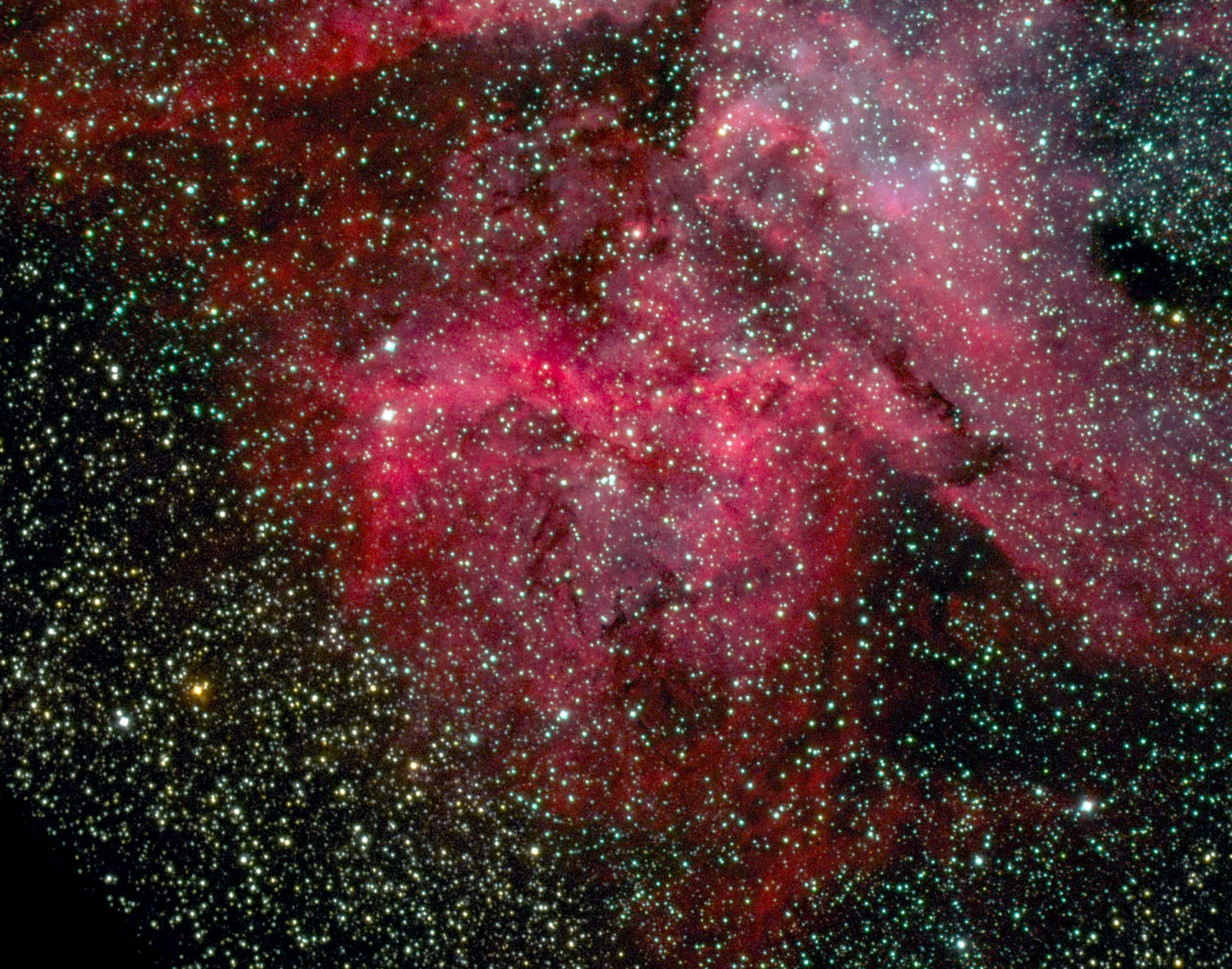
The Enigmatic Beauty of the Carina Nebula
The Carina Nebula, also known as NGC 3372, is a stunningly beautiful and complex region of space located in the Carina constellation. This celestial marvel is one of the largest and brightest nebulae in the night sky, captivating astronomers and stargazers alike with its intricate structures and vibrant colors.
At the heart of the Carina Nebula lies Eta Carinae, a massive and volatile star that illuminates the surrounding gas and dust clouds, creating a mesmerizing display of light and shadow. The nebula spans over 300 light-years across and is filled with young stars, stellar nurseries, and intricate filaments of gas and dust.
One of the most striking features of the Carina Nebula is the Keyhole Nebula, a dark cloud surrounded by glowing gas that resembles a keyhole shape. This enigmatic structure adds to the mystique of the nebula, inviting speculation about its formation and evolution over millions of years.
Astronomers study the Carina Nebula to better understand the processes of star formation and evolution. The intense radiation from massive stars within the nebula creates powerful stellar winds and shock waves that sculpt the surrounding material into intricate shapes and structures.
Photographs captured by telescopes like Hubble Space Telescope reveal the breathtaking beauty of the Carina Nebula in exquisite detail, showcasing its vibrant colors and dynamic nature. From delicate tendrils of gas to massive star clusters, each image offers a glimpse into this cosmic masterpiece.
As we continue to explore and unravel the mysteries of our universe, the Carina Nebula stands as a testament to the awe-inspiring beauty and complexity that exist beyond our own planet. Its ethereal glow serves as a reminder of the vastness and diversity of space, inspiring wonder and curiosity in all who gaze upon it.
Exploring the Wonders of the Carina Nebula: 5 Fascinating Insights
- The Carina Nebula is a large, bright nebula located in the Carina constellation in the southern sky.
- It is one of the largest diffuse nebulae and is known for its striking red, blue, and white colors.
- The Carina Nebula contains several massive stars that emit intense radiation and stellar winds, shaping the surrounding gas and dust clouds.
- This nebula is a popular target for astronomers and astrophotographers due to its beauty and rich star-forming regions.
- Located about 7,500 light-years away from Earth, the Carina Nebula offers a fascinating glimpse into the process of star birth and evolution.
The Carina Nebula is a large, bright nebula located in the Carina constellation in the southern sky.
The Carina Nebula, a prominent celestial feature situated in the Carina constellation in the southern sky, is a vast and luminous nebula that captivates observers with its brilliance and grandeur. This expansive nebula serves as a beacon of wonder and discovery, inviting stargazers to gaze upon its beauty and ponder the mysteries of the universe.
It is one of the largest diffuse nebulae and is known for its striking red, blue, and white colors.
The Carina Nebula is renowned as one of the largest diffuse nebulae in the night sky, captivating astronomers and stargazers with its immense size and intricate beauty. What sets the Carina Nebula apart are its striking hues of red, blue, and white that paint a mesmerizing canvas against the backdrop of space. These vibrant colors are a result of the interplay between the intense radiation from massive stars and the surrounding gas and dust clouds, creating a visual spectacle that continues to awe and inspire all who behold its celestial splendor.
The Carina Nebula contains several massive stars that emit intense radiation and stellar winds, shaping the surrounding gas and dust clouds.
The Carina Nebula is home to a collection of massive stars whose powerful radiation and stellar winds have a profound impact on the surrounding environment. These colossal stars emit intense radiation that illuminates the nebula, while their strong stellar winds sculpt the gas and dust clouds into intricate formations. The interplay between these massive stars and the surrounding material creates a dynamic and ever-changing landscape within the Carina Nebula, showcasing the forces of nature at work in shaping the cosmos.
This nebula is a popular target for astronomers and astrophotographers due to its beauty and rich star-forming regions.
The Carina Nebula holds a special allure for astronomers and astrophotographers alike, drawing them in with its captivating beauty and abundance of star-forming regions. As one of the most visually striking nebulae in the night sky, it serves as a popular target for those seeking to capture its intricate structures and vibrant colors through telescopes and cameras. The dynamic interplay of light and shadow within the nebula, coupled with its rich tapestry of young stars and cosmic dust clouds, offers endless opportunities for exploration and discovery, making it a cherished subject for enthusiasts of the cosmos.
Located about 7,500 light-years away from Earth, the Carina Nebula offers a fascinating glimpse into the process of star birth and evolution.
Located about 7,500 light-years away from Earth, the Carina Nebula offers a fascinating glimpse into the process of star birth and evolution. This distant celestial wonder serves as a cosmic nursery where new stars are born amidst swirling clouds of gas and dust, showcasing the dynamic and awe-inspiring cycle of stellar creation. Astronomers study the Carina Nebula to unravel the mysteries of how stars form and evolve, shedding light on the intricate mechanisms that shape our universe’s vast tapestry of celestial bodies.