
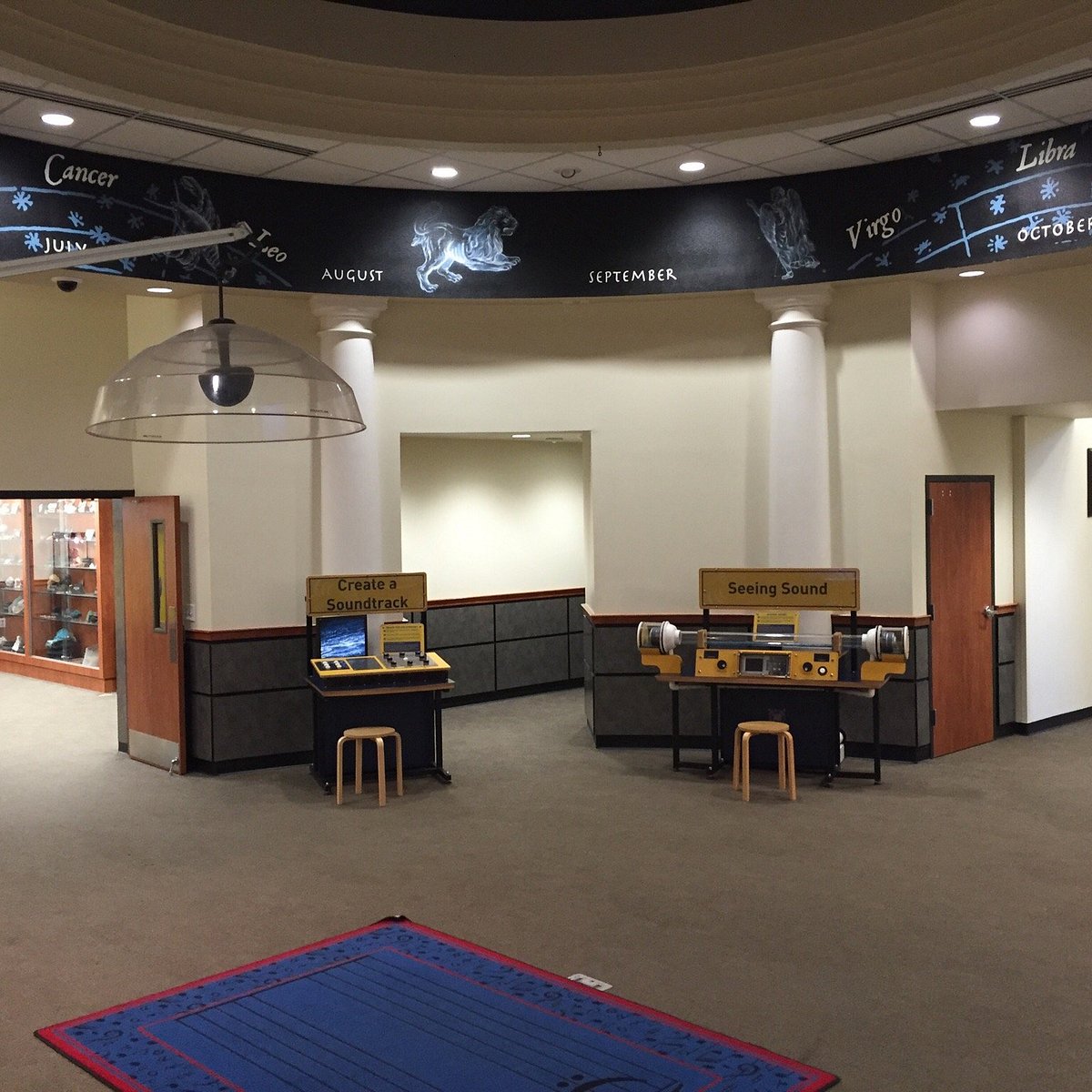
The Earth and Space Science Center: Exploring Our Planet and the Universe
An Earth and Space Science Center invites visitors to explore some of the biggest questions in science: How was Earth formed? What forces shape its surface? How do stars and planets change over time? Through exhibits, educational programs, and hands-on activities, a center like this can make complex scientific ideas engaging for visitors of all ages.
Discover the Science of Earth
Earth science helps explain the world beneath our feet and the natural processes that affect daily life. Visitors can learn about rocks and minerals, fossils, weather, oceans, earthquakes, and the layers of our planet. These subjects show how Earth has changed over millions of years—and how natural systems continue to shape the environment today.
Interactive displays can make these topics easier to understand. Visitors might examine geological specimens, explore maps, or see demonstrations of processes such as erosion and volcanic activity. By connecting scientific concepts to familiar places and experiences, an Earth and Space Science Center can encourage a deeper appreciation of the planet.
Look Beyond Our Planet
Space science expands the journey from Earth to the solar system and beyond. Visitors can learn about the Sun, planets, moons, asteroids, galaxies, and the life cycle of stars. Displays and astronomy programs can also introduce the tools scientists use to study the universe, including telescopes, spacecraft, and satellites.
A planetarium, when available, offers a particularly vivid way to experience the night sky. A guided presentation can help audiences recognize constellations, follow the motion of celestial objects, and consider how astronomers investigate distant worlds. These experiences can turn questions about space into a starting point for further learning.
Learning Through Exploration
Science centers support learning by giving visitors opportunities to observe, ask questions, and try things for themselves. Families can explore together, students can connect classroom lessons to real-world examples, and curious visitors can encounter new ideas at their own pace. Programs may include demonstrations, workshops, school visits, lectures, or special events focused on astronomy and Earth science.
This kind of informal learning is valuable because it makes science approachable. Instead of simply reading about a scientific principle, visitors can see it represented, discuss what it means, and connect it to the world around them.
Inspiring Curiosity About the Future
Earth and space science are closely connected to many of the challenges and discoveries shaping the future. Studying Earth helps people better understand natural hazards, climate, water, and ecosystems. Exploring space advances knowledge about our place in the universe and supports technologies used in communication, navigation, and research.
An Earth and Space Science Center brings these subjects together in a welcoming setting. Whether visitors come to learn about a fossil, watch a presentation about the planets, or simply ask a new question, the experience can spark curiosity that continues long after the visit.
8 Ways the Earth and Space Science Center Inspires Learning and Discovery
- Makes Earth and space science engaging.
- Offers hands-on learning experiences.
- Sparks curiosity in visitors of all ages.
- Connects science to everyday life.
- Encourages exploration and discovery.
- Supports students and educators.
- Brings the universe closer to home.
- Inspires interest in science careers.
Earth and Space Science Center Drawbacks: Costs, Crowds, and Limited Appeal for Younger Visitors
- Admission and program fees may add up.
- Popular exhibits can get crowded.
- Some displays may be less engaging for younger visitors.
Makes Earth and space science engaging.
The Earth and Space Science Center makes science engaging by turning big ideas about our planet and the universe into experiences visitors can see, explore, and interact with. Hands-on exhibits, vivid displays, and educational programs help bring topics like geology, weather, planets, and stars to life. By making learning enjoyable and accessible, the center can spark curiosity in visitors of all ages and encourage them to keep exploring.
Offers hands-on learning experiences.
One of the biggest advantages of the Earth and Space Science Center is its hands-on learning experiences. Visitors can explore scientific ideas through interactive exhibits, practical demonstrations, and activities that encourage them to observe, experiment, and ask questions. Instead of only reading about Earth and space, learners can engage with the concepts directly, making science more memorable, accessible, and fun for all ages.
Sparks curiosity in visitors of all ages.
The Earth and Space Science Center sparks curiosity in visitors of all ages by making the wonders of our planet and the universe exciting and accessible. Hands-on exhibits, fascinating displays, and engaging programs encourage children to ask questions, adults to discover something new, and families to explore together. From examining rocks and fossils to learning about distant planets and stars, every visit can inspire a new interest in science and a desire to keep exploring.
Connects science to everyday life.
The Earth and Space Science Center connects science to everyday life by showing how the natural world affects the things people experience every day. Visitors can learn how weather forecasts are made, why earthquakes happen, where drinking water comes from, and how satellites support GPS and communication. By linking scientific ideas to familiar routines and real-world questions, the center makes learning relevant, engaging, and easier to remember.
Encourages exploration and discovery.
The Earth and Space Science Center encourages exploration and discovery by giving visitors the chance to investigate how our planet works and what lies beyond it. Hands-on exhibits, scientific displays, and educational programs invite people to ask questions, test ideas, and learn through direct experience. Each discovery—from examining a fossil to exploring the solar system—can spark new curiosity and inspire visitors to keep learning about Earth and space.
Supports students and educators.
The Earth and Space Science Center supports students and educators with engaging resources that bring science to life. Through hands-on exhibits, demonstrations, workshops, and educational programs, students can explore topics such as geology, weather, astronomy, and the solar system beyond the classroom. These experiences help connect lessons to the real world, encourage curiosity, and give educators fresh ways to inspire learning.
Brings the universe closer to home.
One of the greatest benefits of the Earth and Space Science Center is that it brings the universe closer to home. Through engaging exhibits, astronomy programs, and immersive planetarium experiences, visitors can explore distant planets, stars, and galaxies without leaving Earth. These experiences make space science easier to understand and help people of all ages feel a stronger connection to the universe.
Inspires interest in science careers.
The Earth and Space Science Center can inspire visitors to consider careers in science by making fields like geology, astronomy, environmental science, and engineering feel accessible and exciting. Hands-on exhibits and educational programs show how scientists investigate real-world questions, while opportunities to meet experts or explore scientific tools can help visitors picture themselves in similar roles. For students especially, these experiences may spark curiosity, build confidence, and encourage them to pursue further learning in science, technology, engineering, and math.
Admission and program fees may add up.
Admission and program fees at an Earth and Space Science Center may add up, especially for families, groups, or visitors interested in several activities. Special exhibits, planetarium shows, workshops, and other programs may cost extra beyond general admission, so it’s a good idea to check prices in advance and plan for the total expense.
Popular exhibits can get crowded.
One drawback of the Earth and Space Science Center is that popular exhibits can get crowded, especially on weekends, holidays, and during school field trips. Busy spaces may make it harder to see displays, try interactive activities, or spend time exploring at a comfortable pace. Visiting during quieter hours, when available, can help make the experience more enjoyable.
Some displays may be less engaging for younger visitors.
Some displays at the Earth and Space Science Center may be less engaging for younger visitors, especially if they rely on lengthy text or advanced scientific explanations. Children who prefer hands-on activities, bright visuals, or interactive experiences may lose interest when exhibits offer fewer opportunities to participate.