
Exploring the Solar System: Our Cosmic Home
The solar system is a vast and fascinating place that serves as our cosmic home in the universe. Comprising of the sun, eight planets, numerous moons, asteroids, comets, and other celestial bodies, the solar system offers a wealth of wonders waiting to be discovered.
The Sun: Our Guiding Star
At the center of the solar system lies the sun, a massive ball of hot plasma that provides light and warmth to all its planetary companions. The sun’s energy fuels life on Earth and plays a crucial role in shaping our climate and seasons.
The Planets: Diverse Worlds to Explore
Each planet in our solar system is unique, with its own distinct characteristics and mysteries. From the rocky terrain of Mercury to the icy plains of Neptune, each planet offers a glimpse into the diversity of worlds that exist beyond our own.
Earth: Our Blue Marble
Earth, the third planet from the sun, is our home planet and a haven for life as we know it. With its vast oceans, lush forests, and diverse ecosystems, Earth stands out as a precious gem in the solar system.
Mars: The Red Planet
Mars has long captured human imagination as a potential destination for future exploration. With its rusty red surface and polar ice caps, Mars holds clues about the possibility of past life on other planets.
Moons, Asteroids, and Comets
Besides planets, our solar system is also home to a myriad of moons orbiting around their parent planets. Moons like Europa (around Jupiter) and Titan (around Saturn) intrigue scientists with their potential for harboring liquid water and even life.
Asteroids and comets are remnants from the early days of our solar system’s formation. These rocky bodies offer insights into the history of our cosmic neighborhood and pose questions about potential threats from space.
Exploring Beyond: The Final Frontier
As humans continue to push boundaries in space exploration, our understanding of the solar system expands. Missions to distant planets like Jupiter and Saturn provide valuable data about their atmospheres and geology.
The solar system serves as a reminder of both our place in the universe and the endless possibilities that lie beyond. By studying its wonders, we gain insight into not just where we come from but also where we might be headed in our quest for knowledge among the stars.
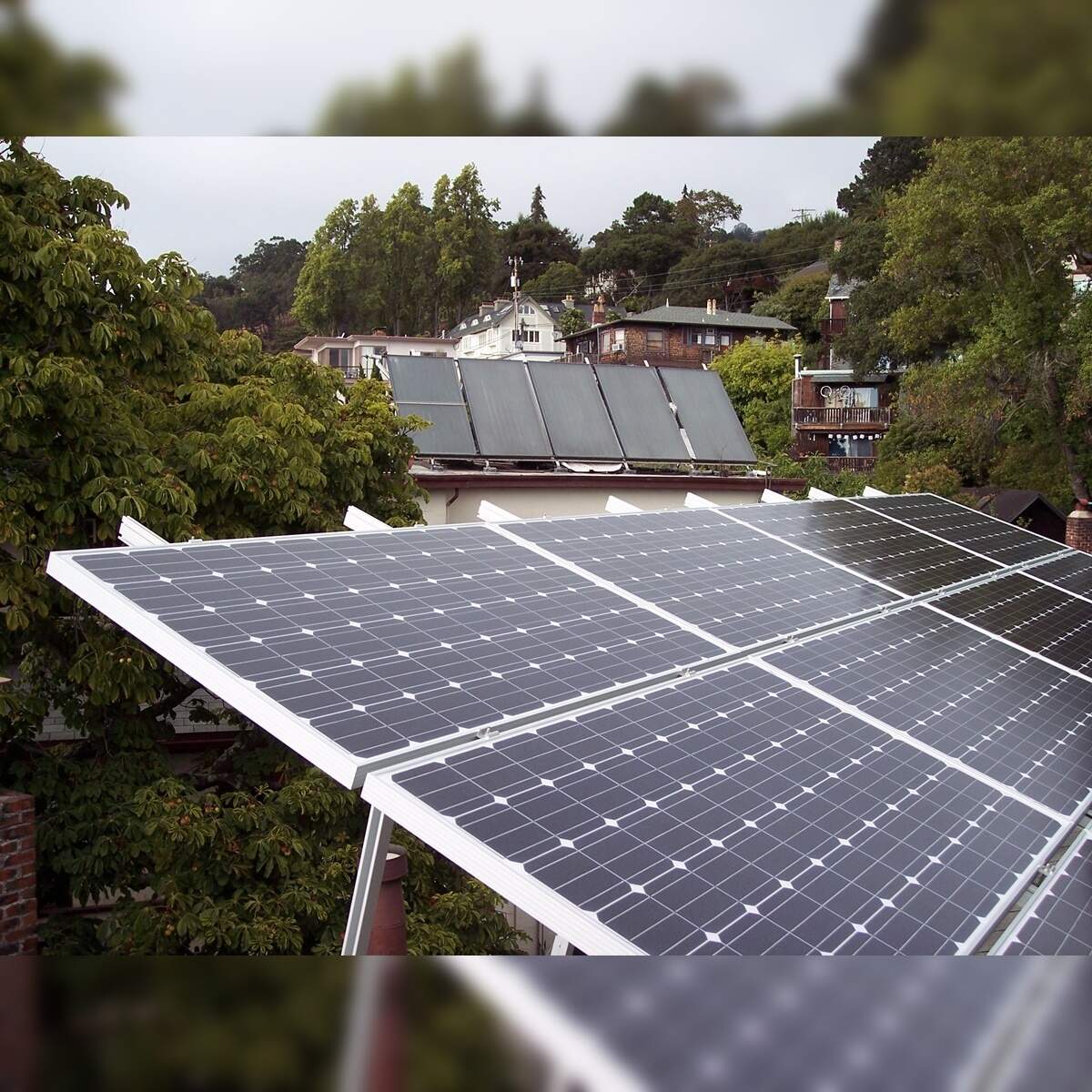
Maximize Your Solar System’s Efficiency with These 5 Essential Tips
- Ensure proper orientation and tilt of solar panels for maximum sunlight exposure.
- Regularly clean the solar panels to maintain their efficiency.
- Monitor your energy usage to optimize the benefits of a solar system.
- Consider investing in battery storage for excess energy produced by your system.
- Consult with professionals for installation and maintenance of your solar system.
Ensure proper orientation and tilt of solar panels for maximum sunlight exposure.
To maximize sunlight exposure and optimize energy generation, it is essential to ensure the proper orientation and tilt of solar panels. By aligning the panels correctly with the sun’s path throughout the day and adjusting their angle to capture the most sunlight, solar panel systems can operate at peak efficiency. This strategic positioning allows for increased energy production and enhances the overall performance of solar power systems, making them more effective in harnessing renewable energy from the sun.
Regularly clean the solar panels to maintain their efficiency.
Regularly cleaning the solar panels is essential to ensure their optimal efficiency and performance. Dust, debris, and other particles can accumulate on the panels over time, reducing their ability to absorb sunlight and convert it into energy. By maintaining a clean surface, solar panels can operate at their full capacity, maximizing energy production and ultimately saving costs on electricity bills. Scheduled cleaning not only prolongs the lifespan of the solar system but also enhances its overall effectiveness in harnessing renewable energy from the sun.
Monitor your energy usage to optimize the benefits of a solar system.
Monitoring your energy usage is crucial to optimizing the benefits of a solar system. By keeping track of how much energy you consume and when you use it most, you can adjust your habits to make the most efficient use of the solar power generated. This proactive approach not only helps you maximize cost savings but also contributes to a more sustainable lifestyle by reducing your overall carbon footprint. With careful monitoring and adjustments, you can fully harness the potential of your solar system to power your home efficiently and responsibly.
Consider investing in battery storage for excess energy produced by your system.
Consider investing in battery storage for excess energy produced by your solar system. By incorporating battery storage technology, you can capture and store surplus energy generated during peak sunlight hours for later use when the sun is not shining. This not only maximizes the efficiency of your solar system but also provides a reliable source of power during times of low sunlight or grid outages. Battery storage offers a sustainable solution to optimize energy usage and reduce reliance on traditional grid electricity, making your solar system even more cost-effective and environmentally friendly in the long run.
Consult with professionals for installation and maintenance of your solar system.
Consulting with professionals for the installation and maintenance of your solar system is crucial to ensure its optimal performance and longevity. Professionals have the expertise and experience to design a system that meets your energy needs efficiently and safely. They can also provide valuable insights on proper maintenance practices to maximize the lifespan of your solar panels and equipment. By entrusting the installation and upkeep of your solar system to experts, you can enjoy peace of mind knowing that your investment will continue to benefit both your wallet and the environment for years to come.