
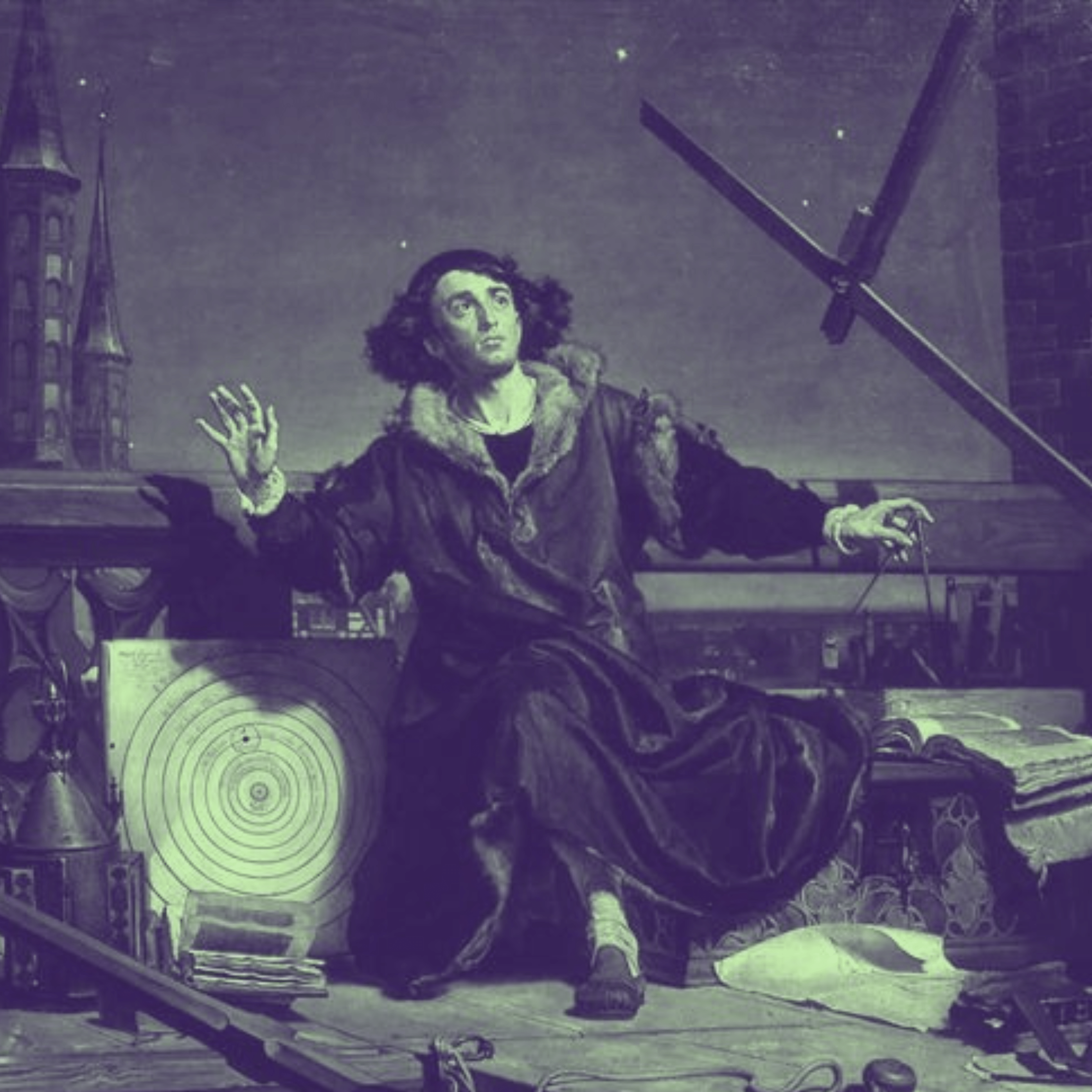
The Revolutionary Legacy of Nicolaus Copernicus
Nicolaus Copernicus (1473-1543) was a Renaissance mathematician and astronomer whose work revolutionized our understanding of the universe. Born in Toruń, Poland, Copernicus proposed a heliocentric model of the solar system, challenging the prevailing geocentric view that placed Earth at the center.
His seminal work, “De revolutionibus orbium coelestium” (On the Revolutions of the Celestial Spheres), published in 1543, presented a detailed mathematical model where Earth and other planets revolved around the Sun. This groundbreaking theory laid the foundation for modern astronomy and cosmology.
Copernicus’s heliocentric model sparked controversy and debate within the scientific community and challenged established religious beliefs. Despite facing criticism and opposition, his ideas eventually gained acceptance and fundamentally changed our perception of the cosmos.
Not only was Copernicus a visionary astronomer, but he also made significant contributions to other fields such as mathematics, economics, and medicine. His dedication to scientific inquiry and pursuit of knowledge exemplify the spirit of the Renaissance era.
Today, Nicolaus Copernicus is remembered as one of history’s most influential figures whose work paved the way for future scientific discoveries. His legacy continues to inspire generations of scientists and thinkers to explore new frontiers in our quest to understand the universe.
Exploring the Life and Legacy of Nicolaus Copernicus: Key Questions Answered
- Who was Nicolaus Copernicus?
- What is Nicolaus Copernicus known for?
- What did Nicolaus Copernicus discover?
- How did Nicolaus Copernicus impact astronomy?
- Where was Nicolaus Copernicus born?
- When did Nicolaus Copernicus live?
Who was Nicolaus Copernicus?
Nicolaus Copernicus, a renowned Renaissance mathematician and astronomer, is best known for his groundbreaking contributions to the field of astronomy. Born in 1473 in Toruń, Poland, Copernicus proposed the heliocentric model of the solar system, challenging the prevailing geocentric view that placed Earth at the center. His seminal work, “De revolutionibus orbium coelestium” (On the Revolutions of the Celestial Spheres), published in 1543, revolutionized our understanding of the cosmos by asserting that Earth and other planets revolve around the Sun. Copernicus’s pioneering ideas sparked controversy during his time but ultimately reshaped scientific thought and laid the foundation for modern astronomy and cosmology.
What is Nicolaus Copernicus known for?
Nicolaus Copernicus is renowned for his groundbreaking contributions to astronomy and cosmology. He is best known for proposing the heliocentric model of the solar system, where the Sun, not Earth, is at the center. Copernicus’s revolutionary theory challenged the prevailing geocentric view and laid the foundation for modern understanding of planetary motion. His seminal work, “De revolutionibus orbium coelestium,” published in 1543, sparked a scientific revolution and fundamentally changed our perception of the universe. Copernicus’s legacy as a visionary astronomer continues to inspire and influence scientific inquiry to this day.
What did Nicolaus Copernicus discover?
Nicolaus Copernicus is renowned for his groundbreaking discovery of the heliocentric model of the solar system. Contrary to the prevailing belief that Earth was the center of the universe, Copernicus proposed that the Sun, not Earth, was at the center, with planets, including Earth, orbiting around it. This revolutionary concept challenged long-held astronomical beliefs and laid the foundation for modern astronomy. Copernicus’s discovery reshaped our understanding of the cosmos and sparked a scientific revolution that continues to influence our exploration of space and celestial bodies today.
How did Nicolaus Copernicus impact astronomy?
Nicolaus Copernicus had a profound impact on astronomy through his groundbreaking heliocentric model of the solar system. By proposing that the Earth and other planets revolve around the Sun, Copernicus challenged the prevailing geocentric view and revolutionized our understanding of the universe. His work laid the foundation for modern astronomy and cosmology, sparking new avenues of scientific inquiry and fundamentally changing how we perceive our place in the cosmos. Copernicus’s contributions to astronomy continue to inspire generations of scientists and have left an indelible mark on the field of astrophysics.
Where was Nicolaus Copernicus born?
Nicolaus Copernicus was born in the city of Toruń, which is located in present-day Poland. Born on February 19, 1473, Copernicus spent his early years in Toruń before later pursuing his education and scientific studies at various institutions across Europe. His birthplace holds historical significance as the starting point of a remarkable journey that would lead Copernicus to challenge conventional beliefs about the cosmos and revolutionize our understanding of the universe.
When did Nicolaus Copernicus live?
Nicolaus Copernicus, the renowned Renaissance mathematician and astronomer, lived from 1473 to 1543. During this period, Copernicus made groundbreaking discoveries in the field of astronomy, most notably proposing a heliocentric model of the solar system that revolutionized our understanding of the cosmos. His life’s work continues to inspire and influence scientific thought to this day, highlighting the enduring impact of his contributions to astronomy and mathematics.