
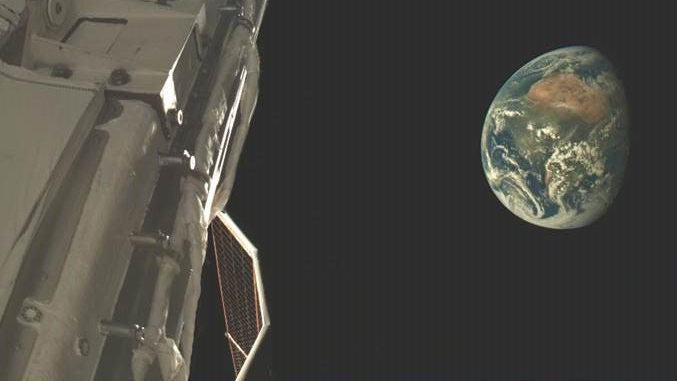
The NASA X-37B: Exploring the Future of Space Missions
The NASA X-37B, also known as the Orbital Test Vehicle (OTV), is a cutting-edge unmanned spacecraft that has been capturing the imagination of space enthusiasts and experts alike since its inception. Developed by NASA in collaboration with the U.S. Air Force, this mysterious vehicle represents a new era in space exploration and technology.
Key Features and Missions
The X-37B is a reusable spacecraft designed for long-duration missions in low Earth orbit. Its sleek, compact design allows it to launch atop a rocket and return to Earth for runway landings, similar to the Space Shuttle program.
One of the most intriguing aspects of the X-37B is its classified nature. While some details about its missions are publicly disclosed, much of its objectives and capabilities remain shrouded in secrecy. It has been used for various experiments and technology demonstrations, including testing advanced propulsion systems, materials, and sensors.
Implications for Future Space Exploration
The X-37B represents a significant step forward in the development of reusable spacecraft technology. By mastering autonomous operations and long-duration flights, this innovative vehicle paves the way for more efficient and cost-effective space missions in the future.
Its versatility and adaptability make it an ideal platform for testing new technologies that could benefit future crewed missions to deep space destinations like Mars. The data gathered from X-37B missions provides valuable insights that can inform the design of next-generation spacecraft and equipment.
Looking Ahead
As NASA continues to push the boundaries of space exploration, the X-37B remains a key player in shaping the future of aerospace technology. With each successful mission, this enigmatic spacecraft brings us closer to unlocking new frontiers beyond our planet.
Stay tuned as we eagerly anticipate more groundbreaking discoveries and advancements from the remarkable NASA X-37B!
Exploring the X-37B: 6 Key Insights into NASA’s Secretive Spaceplane Missions
- The X-37B is an unmanned spaceplane operated by NASA and the US Air Force.
- It is designed for orbital flights at high altitudes, conducting experiments and testing new technologies.
- The X-37B looks like a miniature version of the Space Shuttle, with a length of about 29 feet (8.8 meters).
- It has completed multiple secretive missions in space, with some lasting over two years.
- The exact purpose and details of some X-37B missions remain classified by the US government.
- The spacecraft lands autonomously on a runway like an airplane after completing its mission in space.
The X-37B is an unmanned spaceplane operated by NASA and the US Air Force.
The X-37B, an unmanned spaceplane jointly operated by NASA and the US Air Force, represents a remarkable collaboration in the realm of space exploration. This sleek and advanced spacecraft showcases the cutting-edge technology and expertise of both organizations as they work together to push the boundaries of aerospace innovation. With its ability to conduct long-duration missions in low Earth orbit, the X-37B serves as a versatile platform for testing new technologies and conducting experiments that pave the way for future space missions.
It is designed for orbital flights at high altitudes, conducting experiments and testing new technologies.
The NASA X-37B is meticulously crafted for orbital flights at high altitudes, where it serves as a versatile platform for conducting groundbreaking experiments and testing cutting-edge technologies. With its capability to remain in orbit for extended periods, the X-37B plays a crucial role in advancing scientific research and pushing the boundaries of aerospace innovation. By facilitating a wide range of experiments and technology trials in the unique environment of space, this remarkable spacecraft contributes valuable insights that pave the way for future advancements in space exploration.
The X-37B looks like a miniature version of the Space Shuttle, with a length of about 29 feet (8.8 meters).
The NASA X-37B, often likened to a miniature version of the iconic Space Shuttle, boasts a compact design with a length of approximately 29 feet (8.8 meters). Despite its smaller stature compared to its predecessor, the X-37B packs a powerful punch in terms of its advanced technology and capabilities. This sleek spacecraft’s resemblance to the Space Shuttle serves as a nod to past achievements in space exploration while embodying a new era of innovation and efficiency in aerospace engineering.
It has completed multiple secretive missions in space, with some lasting over two years.
The NASA X-37B has achieved a remarkable feat by successfully completing numerous covert missions in space, some of which have extended for over two years. Its ability to operate autonomously for such prolonged durations showcases its advanced technology and endurance in the demanding environment of space. These secretive missions have added an air of mystery to the X-37B’s reputation, fueling speculation about the nature of its objectives and the groundbreaking experiments conducted during its extended stays in orbit.
The exact purpose and details of some X-37B missions remain classified by the US government.
The US government has chosen to keep certain details regarding the purpose and specifics of several X-37B missions classified. This decision adds an air of mystery and intrigue to the spacecraft’s operations, sparking curiosity among space enthusiasts and experts alike. The classified nature of these missions underscores the advanced capabilities and strategic importance of the X-37B in shaping the future of space exploration.
The spacecraft lands autonomously on a runway like an airplane after completing its mission in space.
The NASA X-37B showcases its remarkable capabilities by autonomously landing on a runway, akin to an airplane, upon successfully completing its mission in space. This innovative feature not only demonstrates the spacecraft’s advanced technology but also highlights its versatility for conducting long-duration missions in low Earth orbit. The ability to land autonomously adds a layer of sophistication to the X-37B’s operations, underscoring its significance in shaping the future of space exploration and reusability in aerospace endeavors.