
NASA Science Centers: Where Exploration Comes to Life
NASA science centers connect people with the discoveries, technology, and human stories behind space exploration. Through hands-on exhibits, educational programs, and public events, these destinations make complex ideas—from rocket propulsion to distant planets—more accessible to visitors of all ages.
What Can You Find at a NASA Science Center?
Exhibits often feature spacecraft, astronaut equipment, mission models, and interactive displays. Visitors may learn how satellites observe Earth, how robots explore other worlds, and what it takes to live and work in space. Some locations also offer planetarium shows, demonstrations, workshops, or opportunities to meet scientists and engineers.
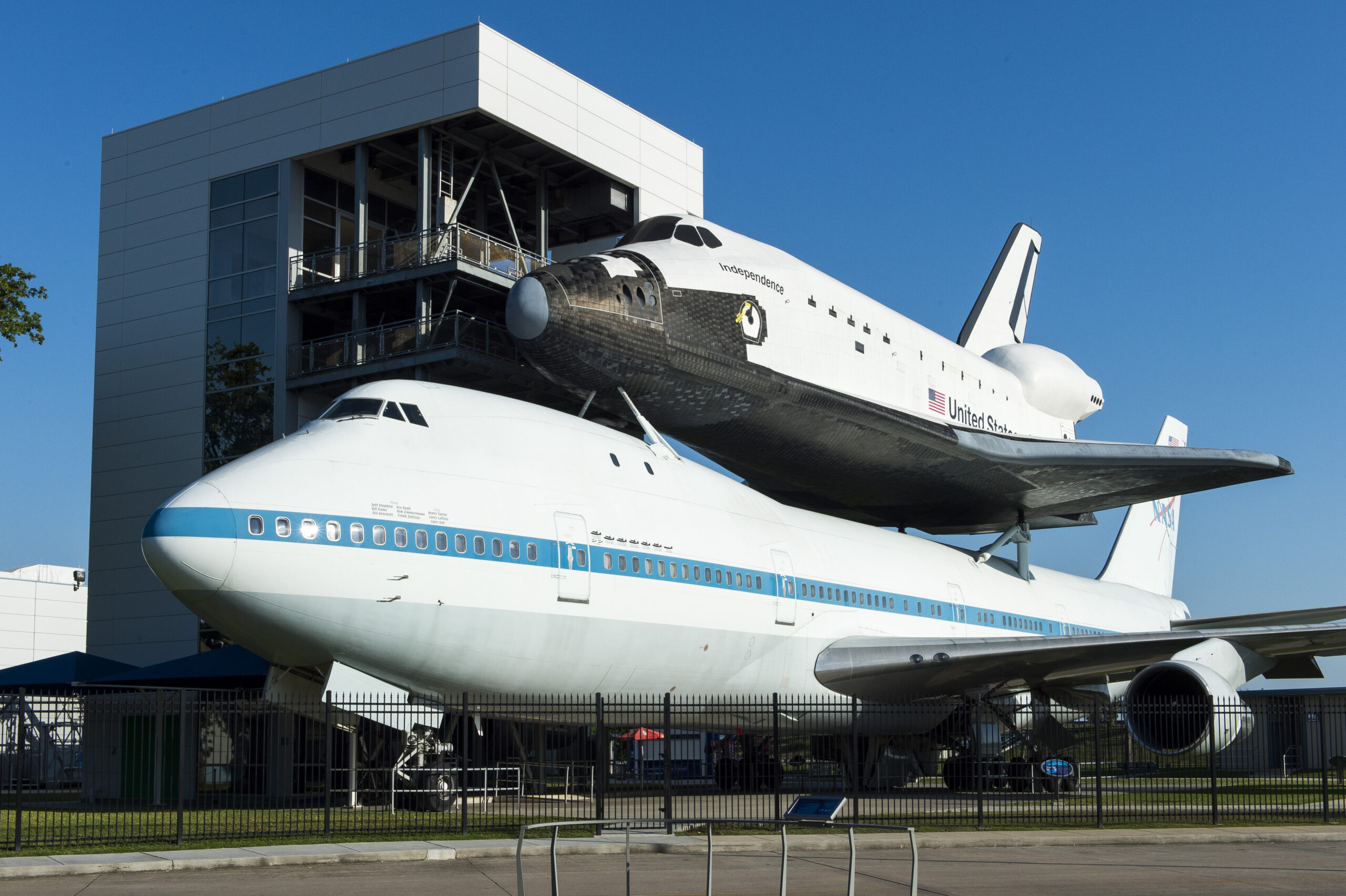
Many NASA facilities have visitor centers or public exhibits, each reflecting the work done at that location. For example, Kennedy Space Center Visitor Complex in Florida highlights human spaceflight and launches, while Space Center Houston shares the story of NASA’s Johnson Space Center and its role in crewed missions. Other NASA centers and partner institutions focus on subjects such as aviation, Earth science, research, and technology.
Learning Through Exploration
Science centers turn big questions into experiences visitors can explore. How does a spacecraft travel beyond Earth? What can we learn from images of faraway galaxies? How do researchers study climate and weather from orbit? Interactive activities invite visitors to test ideas, examine evidence, and see how science and engineering work together.
For students, these experiences can bring classroom subjects to life. Programs may introduce topics such as coding, robotics, astronomy, and engineering design. Educators can also find resources that support lessons and encourage students to consider careers in science, technology, engineering, and mathematics.
Plan Your Visit
NASA-related visitor experiences vary by location. Before going, check the center’s official website for current hours, ticket information, accessibility details, exhibit availability, and special events. Some sites are located within or near working NASA facilities, so access rules and tour schedules may differ.
A visit to a NASA science center offers more than a look at rockets and spacecraft. It provides a chance to explore how people ask questions, solve difficult problems, and expand what is known about Earth and the universe. Whether you are a longtime space enthusiast or simply curious, these centers offer an engaging starting point for discovery.
NASA Science Centers FAQ: Locations, Tours, Costs, and What to Expect
- Can you visit NASA as a tourist?
- Is NASA space Center worth it?
- Can you visit NASA Mississippi?
- Where is NASA science located?
- Why is NASA in Mississippi?
- How much does it cost to visit NASA in Houston?
- Is NASA still in Houston?
Can you visit NASA as a tourist?
Yes, tourists can visit several NASA centers and visitor attractions, though public access varies by location. Popular options include Kennedy Space Center Visitor Complex in Florida and Space Center Houston in Texas, where visitors can explore exhibits, see spacecraft, and learn about NASA missions. Some NASA facilities also offer tours or public events, but access may require advance reservations and can change based on operations. Check the official website for the location you plan to visit for current hours, tickets, tour availability, and entry requirements.
Is NASA space Center worth it?
Yes, a NASA space center can be well worth visiting, especially if you’re interested in space, science, or engineering. Exhibits, spacecraft displays, interactive activities, and behind-the-scenes stories can make NASA’s missions engaging for both adults and children. The experience and cost vary by location, so check the official website for current exhibits, tickets, and tour options before you go.
Can you visit NASA Mississippi?
Yes. You can explore NASA’s Stennis Space Center in Mississippi through the nearby INFINITY Science Center, which features exhibits about space exploration, Earth science, and Stennis’s rocket-engine testing work. Access to the NASA facility itself is restricted, and tours or special events may require advance reservations, so check the INFINITY Science Center’s official website for current hours, tour availability, and visitor requirements before you go.
Where is NASA science located?
NASA’s Science Mission Directorate is based at NASA Headquarters in Washington, D.C., but its research and missions are carried out across the country at NASA centers, laboratories, and partner institutions. If you’re looking for a place to visit, NASA visitor centers are located at several facilities, including Kennedy Space Center in Florida and Johnson Space Center in Texas. Check the specific center’s website for its address, hours, and visitor information.
Why is NASA in Mississippi?
NASA is in Mississippi because the state is home to Stennis Space Center, a major facility where rocket engines and other propulsion systems are tested. Established in the 1960s, Stennis was chosen for its relatively remote location, which provides a large safety area for powerful engine tests, as well as access to waterways and transportation. Today, NASA and its partners use the center to test technologies that support missions to the Moon, Mars, and beyond.
How much does it cost to visit NASA in Houston?
Visiting NASA in Houston usually means going to Space Center Houston, the official visitor center for NASA’s Johnson Space Center. General admission typically costs around $30–$40 for adults and $25–$35 for children ages 4–11, while children 3 and under are generally free; special tours and experiences may cost extra. Prices can change, so check Space Center Houston’s official website for current rates before your visit.
Is NASA still in Houston?
Yes. NASA is still in Houston, Texas, where the Johnson Space Center supports human spaceflight, astronaut training, and mission operations. Its Mission Control Center has played a key role in crewed space missions for decades. NASA’s headquarters is in Washington, D.C., but Houston remains one of the agency’s most important centers.