
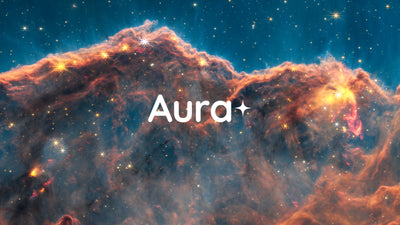
James Webb Space Telescope Reveals the Carina Nebula’s Cosmic Cliffs
The James Webb Space Telescope (JWST) has offered a remarkable new view of the Carina Nebula, one of the largest and brightest star-forming regions in the Milky Way. Its infrared observations reveal a landscape of glowing gas, dark dust, and young stars—details that were largely hidden from earlier telescopes.
A Stellar Nursery in the Southern Sky
The Carina Nebula lies about 7,600 light-years from Earth in the constellation Carina. It is a vast region where clouds of gas and dust give rise to new stars. The JWST image released in 2022 focuses on a portion of the nebula known as NGC 3324.
The scene is often called the “Cosmic Cliffs.” What looks like a rugged mountain range is actually the edge of a large cavity within the nebula. Radiation and powerful winds from massive, hot stars have gradually shaped and cleared the surrounding material, creating the dramatic boundary visible in the image.
How Webb Sees Through the Dust
Many of the structures in the Carina Nebula are difficult to observe in visible light because dust blocks or scatters the light coming from behind it. Webb’s Near-Infrared Camera, or NIRCam, detects infrared light, which can pass through more of that dust. This allows astronomers to study features that would otherwise remain obscured.
In Webb’s image, the colors represent different wavelengths of infrared light. The bright areas trace hot gas and energetic stars, while darker regions mark thicker clouds of dust. Some of the small, bright shapes along the cliff edge are young stars still forming inside their natal clouds.
Watching Stars Take Shape
As young stars form, they heat and energize the material around them. Radiation from nearby massive stars can also erode the clouds, exposing new layers of gas and dust. This process influences where future stars may form and how quickly stellar nurseries change.
Webb’s observations help astronomers investigate these interactions in detail. By studying the shapes, temperatures, and composition of the gas and dust, researchers can learn more about how stars develop and how their surroundings affect that development.
A New Window on the Universe
The Carina Nebula image demonstrates how infrared astronomy can reveal intricate structure within familiar celestial objects. Webb does not simply provide a sharper picture; it lets scientists examine parts of the nebula that were previously difficult to see and compare them with observations from other telescopes.
With its towering clouds and emerging stars, the Cosmic Cliffs offer both a striking portrait and a valuable scientific view of star formation. The image is a reminder that the universe is continually changing—and that new ways of observing it can uncover wonders hidden in plain sight.
9 Tips for Exploring the Carina Nebula’s Cosmic Cliffs with James Webb
- Look for the glowing edge of the Carina Nebula’s Cosmic Cliffs.
- Notice how infrared light reveals stars hidden by dust.
- The image shows a star-forming region called NGC 3324.
- Bright areas mark gas energized by young, massive stars.
- Dark patches are dense clouds of dust and gas.
- Tiny points with diffraction spikes are bright stars.
- The scene spans about 8 light-years across.
- Webb captured this view with its NIRCam instrument.
- Compare the colorful image with visible-light views to spot hidden details.
Look for the glowing edge of the Carina Nebula’s Cosmic Cliffs.
Look for the glowing edge of the Carina Nebula’s “Cosmic Cliffs,” where bright, heated gas meets darker clouds of dust. In images from the James Webb Space Telescope, this boundary looks like a luminous, rugged landscape. The glow traces material energized by radiation from nearby young, massive stars, while the shadowy regions show where thicker dust still hides the nebula’s inner structures.
Notice how infrared light reveals stars hidden by dust.
Notice how infrared light reveals stars hidden by dust in the James Webb Space Telescope’s view of the Carina Nebula. Unlike visible light, infrared wavelengths can pass through much of the cosmic dust, bringing young stars and details of their stellar nursery into view. Dark, dusty areas may still conceal more activity, while bright points of light mark stars shining through the nebula.
The image shows a star-forming region called NGC 3324.
The James Webb Space Telescope’s striking view of the Carina Nebula features NGC 3324, a star-forming region about 7,600 light-years from Earth. Webb’s infrared instruments reveal young stars, glowing gas, and clouds of dust that are difficult to see in visible light, offering astronomers a closer look at how stars form and shape their surroundings.
Bright areas mark gas energized by young, massive stars.
Bright areas in the James Webb Space Telescope’s view of the Carina Nebula show gas energized by young, massive stars. Their intense radiation heats the surrounding material, making it glow in infrared light. By studying these bright regions, astronomers can learn how massive stars shape the clouds where new stars form.
Dark patches are dense clouds of dust and gas.
In the James Webb Space Telescope’s view of the Carina Nebula, dark patches mark dense clouds of gas and dust. These thick regions block some of the infrared light coming from behind them, creating shadowy shapes against the brighter nebula. Inside these clouds, material can gather and collapse under gravity, potentially forming new stars.
Tiny points with diffraction spikes are bright stars.
In James Webb Space Telescope images of the Carina Nebula, tiny points surrounded by distinctive diffraction spikes are bright stars. The spikes are not real beams of light coming from the stars; they’re an optical effect created when starlight interacts with the telescope’s structure. Their sharp, star-like appearance helps distinguish these bright foreground or nearby stars from the nebula’s glowing gas and dust.
The scene spans about 8 light-years across.
The James Webb Space Telescope’s view of the Carina Nebula’s “Cosmic Cliffs” spans about 8 light-years across—roughly 47 trillion miles. This immense scale reveals how vast the star-forming region is, with towering clouds of gas and dust shaped by intense radiation and stellar winds from nearby young stars.
Webb captured this view with its NIRCam instrument.
Webb captured its stunning view of the Carina Nebula’s “Cosmic Cliffs” with the Near-Infrared Camera, or NIRCam. By detecting infrared light, NIRCam can peer through some of the dust that obscures visible-light views, revealing details such as young stars, glowing gas, and intricate structures along the nebula’s edge.
Compare the colorful image with visible-light views to spot hidden details.
Compare the James Webb Space Telescope’s colorful infrared image of the Carina Nebula with visible-light views to see how different wavelengths reveal different details. Visible light shows the nebula’s familiar stars and glowing clouds, while infrared light can peer through more of the dust, uncovering structures and young stars that are harder to spot. Looking between the images helps reveal how much of this stellar nursery is hidden beneath its dramatic, colorful surface.