
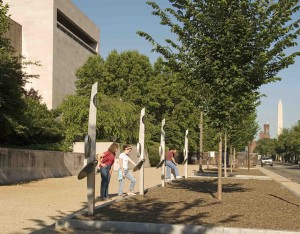
Center for Earth and Space Science Education: Inspiring Discovery
A Center for Earth and Space Science Education helps people explore the natural world—from the rocks beneath their feet to the farthest reaches of the universe. Through science programs, educational resources, and hands-on activities, a center can make complex topics accessible to students, teachers, families, and lifelong learners.
Connecting Earth and Space Science
Earth and space science are closely connected. Studying Earth’s atmosphere can help explain weather and climate, while observing the Sun and other stars reveals how energy moves through space. Geology, ocean science, astronomy, and planetary science all offer different ways to understand how the universe works and how Earth fits into it.
A dedicated education center brings these subjects together. Visitors might learn about the life cycle of stars, examine how landscapes change over time, or investigate the conditions that make life possible on Earth. By linking scientific ideas to familiar experiences, educators can help learners see why these subjects matter.
Learning Through Experience
Science is more engaging when learners can ask questions, test ideas, and observe evidence for themselves. Programs at an earth and space science education center may include demonstrations, classroom workshops, exhibits, planetarium presentations, or guided investigations. The specific offerings vary, but the goal is often the same: to turn curiosity into active learning.
For students, these experiences can bring classroom lessons to life. A model of the solar system, for example, can make planetary scale easier to imagine. Examining rocks or maps can help explain Earth’s history and changing surface. Interactive activities also encourage learners to practice observation, problem-solving, and critical thinking.
Supporting Teachers and Communities
Teachers play an important role in helping students build scientific understanding. Education centers can support them with lesson materials, professional learning, classroom activities, and opportunities to connect with science specialists. These resources can help educators present challenging topics in clear, engaging ways.
Centers also serve the broader community. Public events and family programs can give people of all ages a welcoming place to explore questions about the natural world. These opportunities help make science part of everyday life, not just something studied in a classroom.
Preparing the Next Generation
Earth and space science education can inspire students to pursue careers in fields such as astronomy, environmental science, geology, engineering, and science communication. Just as importantly, it helps people develop the skills to evaluate information and make informed decisions about issues that affect their communities and the planet.
A Center for Earth and Space Science Education brings science closer to the public by combining discovery, instruction, and community engagement. Whether learners are exploring a distant galaxy or investigating the ground beneath their feet, these experiences can spark questions that lead to a deeper understanding of the universe.
5 Tips for Visiting the Center for Earth and Space Science Education
- Explore hands-on exhibits about Earth and space.
- Ask educators questions during your visit.
- Join a planetarium show or guided program.
- Check the center’s website for events and hours.
- Encourage curiosity through experiments and observation.
Explore hands-on exhibits about Earth and space.
Explore hands-on exhibits about Earth and space to make science engaging and easier to understand. Interactive displays can help you investigate topics such as planetary motion, Earth’s changing surface, weather, and the solar system. Take your time, try each activity, and ask questions along the way—curiosity is a great starting point for discovery.
Ask educators questions during your visit.
Ask educators questions during your visit to make the most of your experience at the Center for Earth and Space Science Education. Whether you’re curious about a planet, a rock formation, or a science exhibit, educators can offer helpful explanations and point you toward details you might otherwise miss. No question is too small—your curiosity can lead to a more engaging and memorable visit.
Join a planetarium show or guided program.
Join a planetarium show or guided program to explore Earth and space science in an engaging, hands-on way. A presenter can bring topics like the solar system, distant stars, and changing skies to life while helping you make sense of what you see. Check the center’s schedule for upcoming programs, and arrive ready to ask questions and discover something new.
Check the center’s website for events and hours.
Before planning a visit, check the Center for Earth and Space Science Education’s website for current hours, event schedules, admission details, and any reservation requirements. Special programs, workshops, and public events may have different times or limited availability, so reviewing the latest information can help you make the most of your visit.
Encourage curiosity through experiments and observation.
Encourage curiosity by giving learners opportunities to experiment, observe, and ask questions. Simple activities—such as tracking the Moon’s phases, testing how sunlight warms different surfaces, or examining rocks with a magnifying glass—can turn big ideas into discoveries they make themselves. Invite learners to share what they notice, make predictions, and discuss how their observations compare with their expectations. This hands-on approach helps build scientific thinking while making Earth and space science engaging and memorable.