
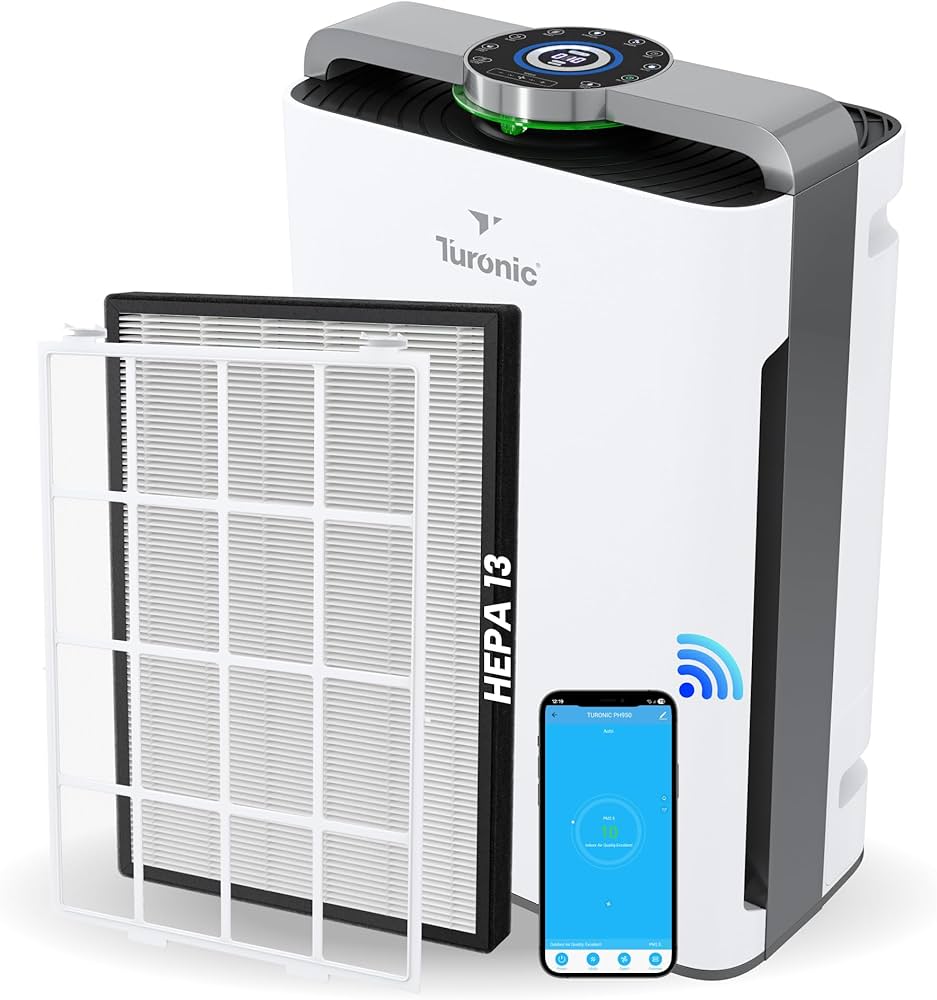
The Benefits of Using an Air Purifier and Humidifier
In today’s world, where indoor air quality is increasingly becoming a concern, the use of air purifiers and humidifiers has gained significant popularity. These devices are designed to improve the air we breathe by removing impurities and maintaining optimal humidity levels. Let’s explore the benefits of incorporating both an air purifier and a humidifier into your living space.
Air Purifier:
An air purifier works by filtering out pollutants such as dust, pollen, pet dander, mold spores, and other airborne particles. By capturing these contaminants, air purifiers help reduce allergens in the air, making it easier for individuals with allergies or respiratory issues to breathe comfortably. Additionally, air purifiers can also eliminate odors and harmful volatile organic compounds (VOCs), promoting a healthier indoor environment.
Benefits of Using an Air Purifier:
- Reduces allergens and airborne particles
- Eliminates odors
- Improves respiratory health
- Promotes better sleep quality
- Cleanses the air of harmful VOCs
Humidifier:
A humidifier adds moisture to the air to prevent dryness, which can cause various discomforts such as dry skin, irritated sinuses, and respiratory issues. By maintaining optimal humidity levels in your home or office, a humidifier can help alleviate these symptoms and create a more comfortable environment for occupants.
Benefits of Using a Humidifier:
- Relieves dry skin and chapped lips
- Soothes irritated sinuses and throat
- Prevents static electricity buildup
- Protects wooden furniture from drying out
- Promotes plant health in indoor environments
By combining the benefits of an air purifier and a humidifier, you can create a healthier and more pleasant indoor atmosphere for you and your family. Whether you’re looking to breathe cleaner air or maintain optimal humidity levels, investing in these devices can significantly improve your overall well-being.
7 Essential Tips for Maximizing the Benefits of Your Air Purifier and Humidifier
- Place the air purifier in a central location for optimal air circulation.
- Clean or replace the filters regularly to maintain the efficiency of the air purifier.
- Use a humidifier in dry climates to add moisture to the air and prevent dry skin and respiratory issues.
- Monitor humidity levels with a hygrometer and keep them between 30-50% for comfort and health benefits.
- Regularly clean and disinfect your humidifier to prevent mold and bacteria growth.
- Avoid over-humidifying a room, as it can lead to dampness and mold issues.
- Consider using an air purifier with HEPA filters for capturing small particles like dust, pollen, and pet dander.
Place the air purifier in a central location for optimal air circulation.
To maximize the effectiveness of your air purifier, it is recommended to place it in a central location within your living space. By positioning the air purifier in a central spot, you can ensure optimal air circulation throughout the room, allowing the device to efficiently capture and filter out airborne pollutants. This strategic placement helps to distribute clean, purified air more effectively, creating a healthier environment for you and your family to breathe in.
Clean or replace the filters regularly to maintain the efficiency of the air purifier.
To ensure the optimal performance of your air purifier, it is essential to clean or replace the filters regularly. Over time, filters can become clogged with dust, allergens, and other particles, reducing the efficiency of the air purifier in capturing contaminants. By maintaining clean filters, you can prolong the lifespan of your device and ensure that it continues to effectively improve indoor air quality. Regular filter maintenance is a simple yet crucial step in maximizing the benefits of your air purifier and maintaining a healthy living environment.
Use a humidifier in dry climates to add moisture to the air and prevent dry skin and respiratory issues.
In dry climates, using a humidifier is a beneficial way to combat the lack of moisture in the air. By adding humidity, a humidifier helps prevent dry skin and respiratory issues that are commonly exacerbated in arid environments. Maintaining optimal humidity levels not only promotes skin hydration but also soothes irritated sinuses and reduces the likelihood of respiratory discomfort. Incorporating a humidifier into your living space can make a significant difference in creating a more comfortable and healthier indoor environment, especially in regions with low humidity levels.
Monitor humidity levels with a hygrometer and keep them between 30-50% for comfort and health benefits.
Monitoring humidity levels with a hygrometer is essential for maintaining a healthy indoor environment when using an air purifier and humidifier. It is recommended to keep humidity levels between 30-50% to ensure optimal comfort and reap the health benefits associated with balanced moisture in the air. By staying within this range, you can prevent issues such as dry skin, respiratory discomfort, and mold growth, creating a more pleasant and beneficial atmosphere for you and your loved ones.
Regularly clean and disinfect your humidifier to prevent mold and bacteria growth.
Regularly cleaning and disinfecting your humidifier is essential to prevent the growth of mold and bacteria. Over time, moisture in the humidifier can create a breeding ground for harmful microorganisms that can be dispersed into the air you breathe. By maintaining a clean and sanitized humidifier, you not only ensure the quality of the air in your living space but also promote a healthier environment for yourself and your loved ones. Consistent maintenance will help prolong the life of your humidifier and contribute to better overall indoor air quality.
Avoid over-humidifying a room, as it can lead to dampness and mold issues.
It is important to avoid over-humidifying a room when using a humidifier, as excessive moisture in the air can create a damp environment that is conducive to mold growth. Maintaining proper humidity levels is key to preventing mold issues and ensuring a healthy indoor environment. Be sure to monitor the humidity levels in your space and adjust the settings on your humidifier accordingly to avoid any potential problems associated with excessive moisture.
Consider using an air purifier with HEPA filters for capturing small particles like dust, pollen, and pet dander.
When selecting an air purifier for your indoor space, it is advisable to opt for one equipped with HEPA filters. HEPA filters are highly effective in capturing tiny particles such as dust, pollen, and pet dander, ensuring that the air you breathe is free from these common allergens. By choosing an air purifier with HEPA filters, you can significantly improve the air quality in your home and create a healthier environment for yourself and your loved ones.