
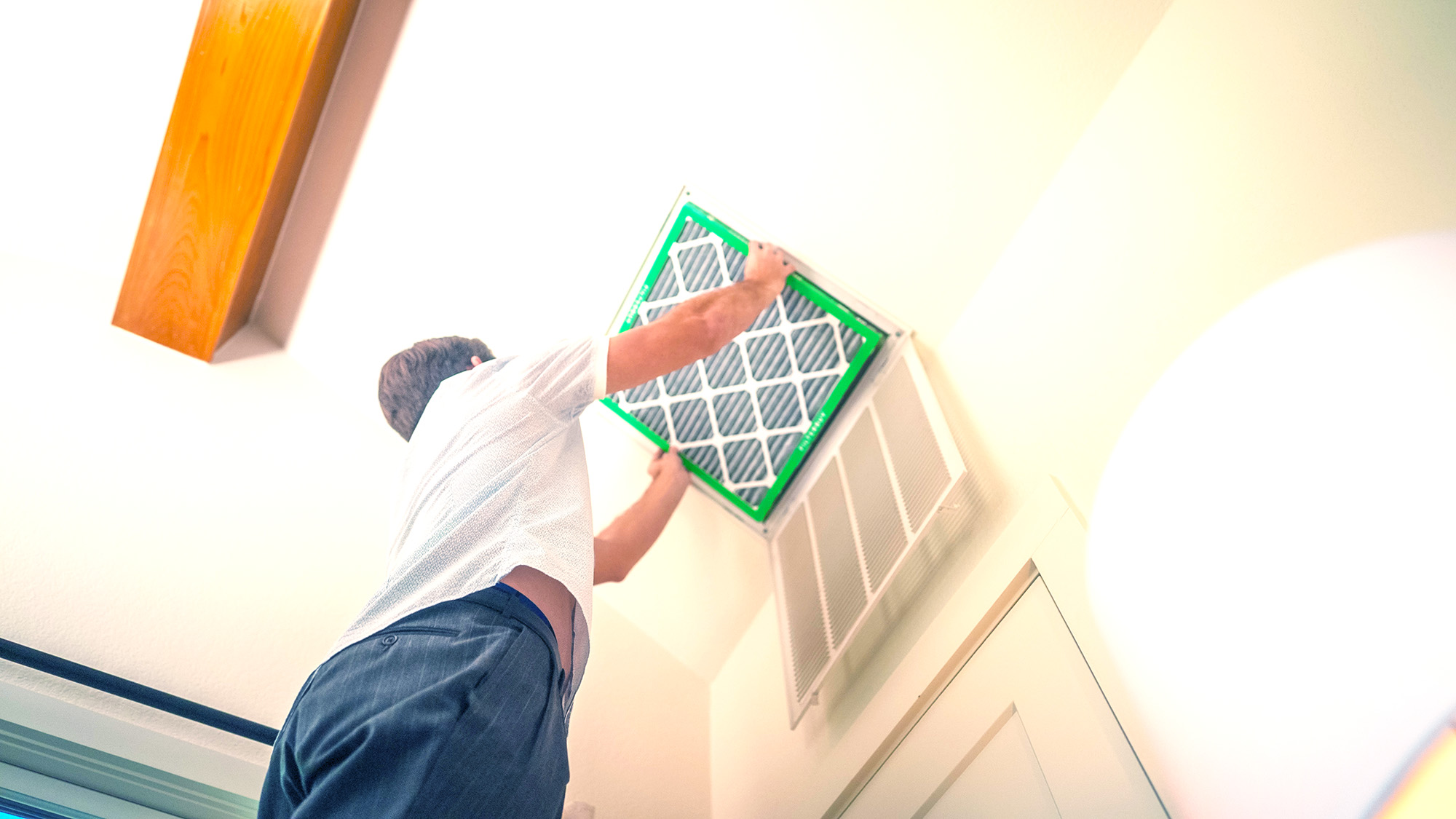
The Importance of Air Filters for Your Home
When it comes to maintaining a healthy indoor environment, one often overlooked but crucial component is the air filter in your home. Air filters play a significant role in improving air quality by trapping dust, pollen, pet dander, and other airborne particles that can affect your health.
Benefits of Using Air Filters:
- Cleaner Air: Air filters help remove contaminants from the air, reducing the risk of respiratory problems and allergies.
- Improved Health: By capturing pollutants, air filters promote a healthier living environment for you and your family.
- Extended HVAC System Life: Regularly changing air filters can prevent dust buildup in your heating and cooling systems, extending their lifespan.
- Energy Efficiency: Clean air filters allow your HVAC system to operate more efficiently, saving energy and lowering utility bills.
- Oder Reduction: Some air filters are designed to absorb odors, keeping your home smelling fresh.
Types of Air Filters:
There are various types of air filters available for homes, including:
- Fiberglass Filters: These are affordable but offer basic filtration capabilities.
- Pleated Filters: More efficient than fiberglass filters due to their larger surface area for trapping particles.
- HEPA Filters (High-Efficiency Particulate Arrestance): Ideal for capturing tiny particles like allergens and pollutants.
- Activated Carbon Filters: Effective at removing odors and volatile organic compounds (VOCs) from the air.
Maintaining Your Air Filter:
To ensure optimal performance of your air filter, it’s essential to follow these maintenance tips:
- Regular Replacement: Check your filter monthly and replace it every 1-3 months or as recommended by the manufacturer.
- Clean Vents and Ducts: Keep vents and ducts clean to prevent debris from entering the filter system.
- Air Filter Size: Use the correct size filter for your HVAC system to maximize efficiency.
Your Guide to Home Air Filters: Types, Maintenance, and Benefits
- What are the different types of air filters available for home use?
- How often should I change my home air filter?
- What are the benefits of using HEPA filters in my home?
- Do air filters help with allergies and respiratory issues?
- Are expensive air filters better than budget-friendly options?
- Can I clean and reuse my home air filter, or should I replace it?
- How do I know which size of air filter is suitable for my HVAC system?
What are the different types of air filters available for home use?
When it comes to air filters for home use, there are several types available to cater to different needs and preferences. Common options include fiberglass filters, which are budget-friendly but offer basic filtration capabilities, pleated filters that provide a larger surface area for trapping particles and are more efficient than fiberglass filters, HEPA filters (High-Efficiency Particulate Arrestance) known for their ability to capture tiny allergens and pollutants, and activated carbon filters that excel at removing odors and volatile organic compounds (VOCs) from the air. Each type of air filter has its unique features and benefits, allowing homeowners to choose the most suitable option based on their specific requirements for indoor air quality.
How often should I change my home air filter?
One frequently asked question regarding home air filters is, “How often should I change my home air filter?” The general recommendation is to change your home air filter every 1 to 3 months, depending on factors such as the type of filter used, indoor air quality, and the presence of pets or allergies in the household. Regularly changing your air filter ensures optimal performance of your HVAC system, improves indoor air quality, and helps maintain a healthy living environment for you and your family. It is essential to check your filter monthly and replace it as needed to ensure efficient filtration of airborne particles and contaminants.
What are the benefits of using HEPA filters in my home?
HEPA filters, or High-Efficiency Particulate Arrestance filters, offer a range of benefits when used in your home. These filters are highly effective at capturing tiny particles such as allergens, dust mites, pet dander, and other pollutants that can affect indoor air quality. By using HEPA filters, you can significantly reduce the presence of airborne contaminants, leading to cleaner and healthier air for you and your family. HEPA filters are especially beneficial for individuals with allergies or respiratory conditions as they help create a more comfortable living environment by minimizing exposure to harmful particles. Additionally, HEPA filters can contribute to the overall efficiency of your HVAC system by preventing dust buildup and promoting better airflow.
Do air filters help with allergies and respiratory issues?
Air filters play a crucial role in helping to alleviate allergies and respiratory issues in the home. By capturing airborne particles such as dust, pollen, pet dander, and mold spores, air filters prevent these allergens from circulating in the air and being breathed in by occupants. For individuals with allergies or respiratory conditions like asthma, using high-quality air filters, such as HEPA filters, can significantly reduce symptoms and improve overall indoor air quality. Regularly changing and maintaining air filters can create a healthier environment by minimizing irritants that trigger allergic reactions and respiratory distress.
Are expensive air filters better than budget-friendly options?
When it comes to choosing air filters for your home, the question of whether expensive filters are better than budget-friendly options often arises. While expensive air filters may offer advanced features and higher filtration efficiency, budget-friendly options can still provide adequate protection against common airborne particles. The key factor to consider is the specific needs of your household in terms of air quality and any existing respiratory conditions. Expensive filters may be worth the investment for those with allergies or sensitivities to pollutants, while budget-friendly options can be sufficient for general air cleaning purposes. Ultimately, the effectiveness of an air filter depends on its filtration capabilities and how well it meets your individual requirements.
Can I clean and reuse my home air filter, or should I replace it?
When it comes to home air filters, a common question that arises is whether they can be cleaned and reused or if they should be replaced. While some air filters are marketed as reusable and washable, most experts recommend replacing disposable air filters rather than attempting to clean and reuse them. Cleaning a filter may not completely remove all contaminants, reducing its effectiveness over time. Replacing the filter ensures optimal air quality and system efficiency in your home, making it a more practical choice for maintaining a healthy indoor environment.
How do I know which size of air filter is suitable for my HVAC system?
When determining the appropriate size of an air filter for your HVAC system, it is essential to consult your system’s manual or check the existing filter for sizing information. The size of the air filter is typically indicated on the frame or in the manual. If you are unsure, you can measure the length, width, and depth of the existing filter or the filter slot to ensure a proper fit. Using the correct size air filter is crucial for optimal performance and efficiency of your HVAC system in maintaining clean indoor air quality.