
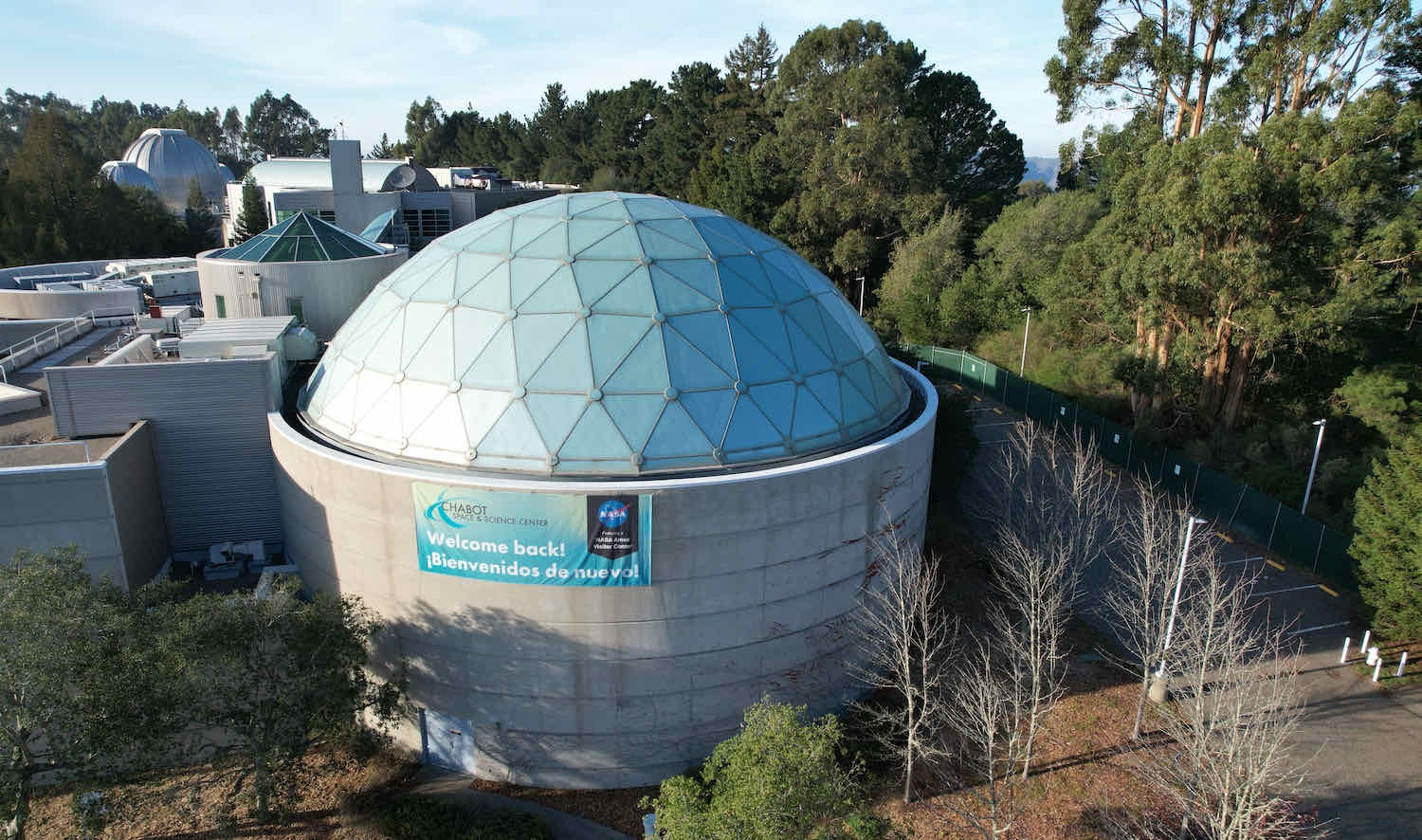
Discover the Universe at a Space Science Center
A space science center brings the wonders of the universe closer to home. Through exhibits, hands-on activities, demonstrations, and educational programs, visitors can explore astronomy, space exploration, and the science behind the cosmos. Whether you’re curious about distant galaxies or wondering how astronauts live and work in orbit, a visit can turn big questions into exciting discoveries.
What Can You Learn at a Space Science Center?
Space science centers often cover a wide range of topics, from the formation of stars and planets to the technology used to explore our solar system. Exhibits may explain how telescopes collect light, why the Moon has phases, or how spacecraft travel through space. Many centers also introduce visitors to current research and discoveries, helping connect classroom science with the real world.
Some locations feature planetariums, where immersive shows take audiences on guided tours of the night sky. Others offer observatories, launch simulations, or displays of spacecraft and space equipment. The experiences vary, but the goal is often the same: to make science engaging and accessible for people of all ages.
Learning Through Hands-On Experiences
Interactive activities can make complex ideas easier to understand. Visitors might build a model rocket, test a rover design, or explore how gravity affects objects. These experiences encourage people to ask questions, try new ideas, and learn by doing.
For students, a space science center can complement lessons in physics, engineering, technology, and mathematics. Families can explore together, while adults may find new perspectives on subjects they first encountered in school. Programs led by educators and science communicators can also help visitors understand how scientists gather evidence and develop new explanations.
Inspiring Future Explorers
Space science centers can spark interest in careers such as astronomy, aerospace engineering, planetary science, and spacecraft operations. They also show that space exploration depends on many kinds of skills, including problem-solving, computing, design, communication, and teamwork.
Not every visitor will pursue a career in science, of course. But learning about space can strengthen curiosity and encourage people to think critically about the world around them. Looking outward at the universe can also offer a fresh perspective on Earth and our place within it.
Make the Most of Your Visit
Before you go, check the center’s website for current exhibits, showtimes, special events, and age recommendations. Some activities may require advance reservations or have limited capacity. If you’re visiting with children, consider choosing a few exhibits to explore rather than trying to see everything at once.
A space science center offers more than a collection of displays. It’s a place to investigate, imagine, and ask questions about the universe. From the smallest spacecraft components to the farthest galaxies, every exhibit can open the door to another discovery.
8 Tips for a Great Visit to a Space Science Center
- Check the center’s hours before you go.
- Book popular shows in advance.
- Arrive early for hands-on exhibits.
- Ask about guided tours.
- Look through the telescope if available.
- Follow staff safety instructions.
- Check the schedule for special events.
- Take notes on exhibits that spark your curiosity.
Check the center’s hours before you go.
Before heading to a space science center, check its hours of operation on the official website or call ahead. Hours may change for holidays, special events, or seasonal schedules, and some exhibits or planetarium shows may have separate times. A quick check can help you plan your visit, avoid arriving when the center is closed, and make the most of your time there.
Book popular shows in advance.
Book popular shows in advance to make sure you get a seat, especially during weekends, holidays, and school breaks. Planetarium presentations and special screenings can fill up quickly, so check the space science center’s website for showtimes and reservation details before your visit.
Arrive early for hands-on exhibits.
Arrive early to make the most of a space science center’s hands-on exhibits. Popular activities, such as building a model rocket or trying a rover challenge, can draw long lines as the day goes on. Getting there near opening time gives you more opportunities to explore at your own pace, try several activities, and enjoy each experience without feeling rushed.
Ask about guided tours.
Ask about guided tours when planning your visit to a space science center. A knowledgeable guide can share fascinating details about the exhibits, explain complex space science in an engaging way, and point out features you might otherwise miss. Check whether tours need to be booked in advance, and ask about options for families, school groups, or visitors with specific interests.
Look through the telescope if available.
If a telescope is available, take a moment to look through it—you may get a closer view of the Moon, a planet, or another object in the night sky. Ask a staff member or educator for help focusing the telescope and finding something to observe. For the best view, be patient and give your eyes a moment to adjust, especially if you’re looking outdoors after dark.
Follow staff safety instructions.
Follow staff safety instructions throughout your visit to a space science center. Team members are there to help protect visitors, preserve exhibits, and ensure activities run smoothly. Listen carefully during demonstrations, follow posted signs, and ask staff if you’re unsure how to use equipment or enter an exhibit area. These simple steps help make the experience safe and enjoyable for everyone.
Check the schedule for special events.
Check the schedule for special events before visiting a space science center. Planetarium shows, guest talks, telescope viewings, and hands-on workshops may happen at specific times or require advance reservations. Planning ahead can help you choose activities that match your interests and make the most of your visit.
Take notes on exhibits that spark your curiosity.
Take notes on exhibits that spark your curiosity as you explore the space science center. Jot down surprising facts, questions you’d like to investigate, or details you want to remember—such as the name of a planet, mission, or instrument. These notes can help you reflect on what you learned after your visit and guide you toward books, videos, or activities that let you explore the topic further.