
Exploring the Mysteries of Planet Mars
As one of the most fascinating planets in our solar system, Mars has captivated the imagination of scientists and space enthusiasts for centuries. Here are some intriguing facts about the Red Planet:
Martian Atmosphere
Mars has a thin atmosphere composed mainly of carbon dioxide, with traces of nitrogen and argon. The lack of a substantial atmosphere contributes to its cold temperatures and limited protection from solar radiation.
Surface Features
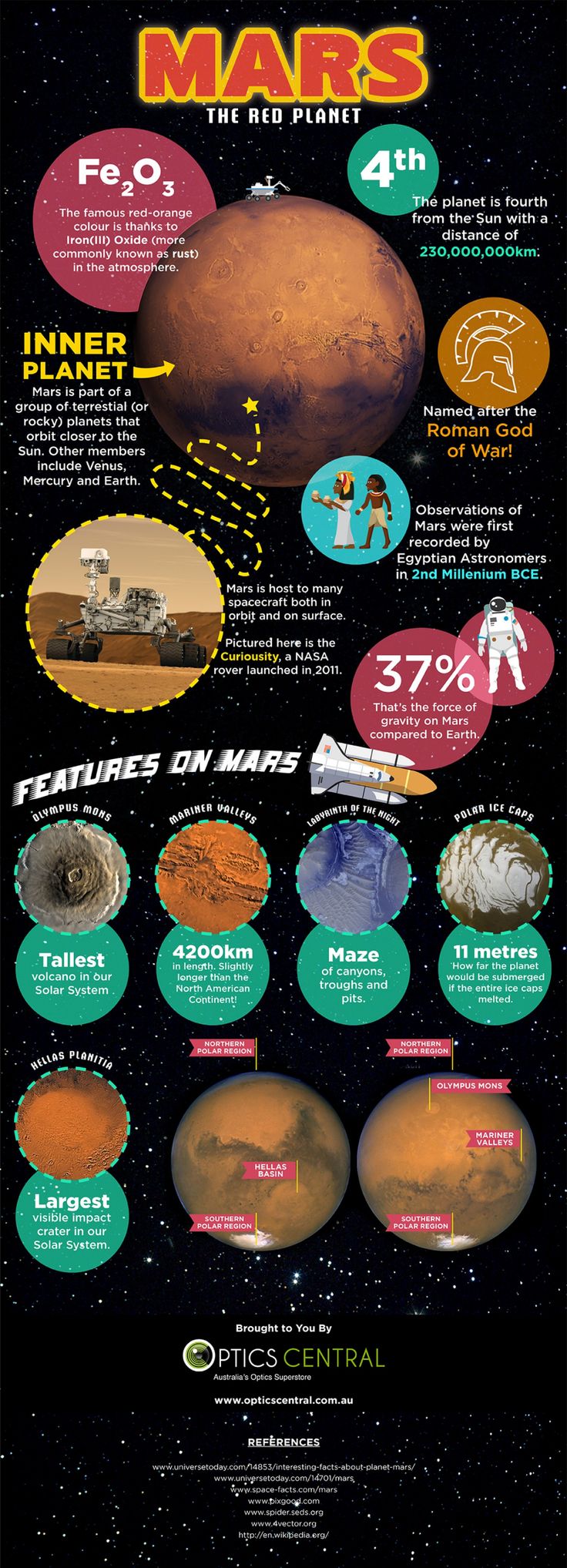
Mars is home to the largest volcano in the solar system, Olympus Mons, which stands about 13.6 miles (22 kilometers) high. The planet also boasts a massive canyon known as Valles Marineris, stretching over 2,500 miles (4,000 kilometers) long.
Martian Moons
Mars has two small moons named Phobos and Deimos. These irregularly shaped moons are thought to be captured asteroids and are much smaller than Earth’s moon.
Water on Mars
Evidence suggests that Mars once had liquid water on its surface billions of years ago. Scientists continue to study potential water sources on Mars, including frozen water in polar ice caps and subsurface reservoirs.
Exploration Missions
Several spacecraft have been sent to explore Mars, including rovers like Curiosity and Perseverance that have provided valuable data about the planet’s geology and climate. Future missions aim to uncover more secrets about Mars’ history and potential for past life.
Possibility of Life
The search for life on Mars remains a key focus of scientific exploration. While no definitive evidence of current life has been found, researchers are intrigued by the possibility that microbial life may have existed on ancient Mars.
5 Fascinating Facts About Mars: The Red Planet Unveiled
- Mars is known as the Red Planet due to its reddish appearance.
- Mars has a thin atmosphere primarily composed of carbon dioxide.
- The surface of Mars has the largest volcano in the solar system, Olympus Mons.
- Mars has polar ice caps that consist of water and carbon dioxide frost.
- Exploration missions to Mars have revealed evidence of ancient river valleys and lake beds.
Mars is known as the Red Planet due to its reddish appearance.
Mars, often referred to as the Red Planet, earns its nickname from the distinct reddish hue that blankets its surface. This unique coloration is a result of iron oxide, or rust, that is prevalent in the planet’s soil and rocks. The rusty dust particles in the atmosphere scatter sunlight in a way that gives Mars its signature red glow when viewed from space. This striking feature has long captured the imagination of astronomers and stargazers alike, making Mars a truly mesmerizing celestial body in our solar system.
Mars has a thin atmosphere primarily composed of carbon dioxide.
Mars, the Red Planet, possesses a thin atmosphere that is predominantly made up of carbon dioxide. This unique composition plays a crucial role in shaping the planet’s environmental conditions, contributing to its cold temperatures and limited atmospheric protection. Scientists closely study Mars’ atmosphere to gain insights into its past and present climate dynamics, shedding light on the planet’s intriguing characteristics and potential for scientific exploration.
The surface of Mars has the largest volcano in the solar system, Olympus Mons.
The surface of Mars is home to the largest volcano in our solar system, known as Olympus Mons. Towering at about 13.6 miles (22 kilometers) high, this colossal volcano is a prominent feature on the Red Planet’s landscape. Its immense size and volcanic history offer valuable insights into Mars’ geological past and the processes that have shaped its surface over millions of years.
Mars has polar ice caps that consist of water and carbon dioxide frost.
Mars is known to have polar ice caps that are composed of a combination of water and carbon dioxide frost. These ice caps play a crucial role in the planet’s climate and geological processes. The presence of water ice raises questions about the history of water on Mars and its potential implications for past or present life forms. Studying these polar regions provides valuable insights into the planet’s dynamic environment and its similarities and differences with Earth’s polar regions.
Exploration missions to Mars have revealed evidence of ancient river valleys and lake beds.
Exploration missions to Mars have unveiled intriguing evidence of ancient river valleys and lake beds on the Red Planet’s surface. These discoveries suggest that Mars once had a more hospitable environment with flowing water, raising questions about the planet’s past potential to support life. Scientists continue to analyze these geological features to better understand Mars’ history and evolution, shedding light on the planet’s dynamic past and its potential for harboring clues about the origins of life in our solar system.