
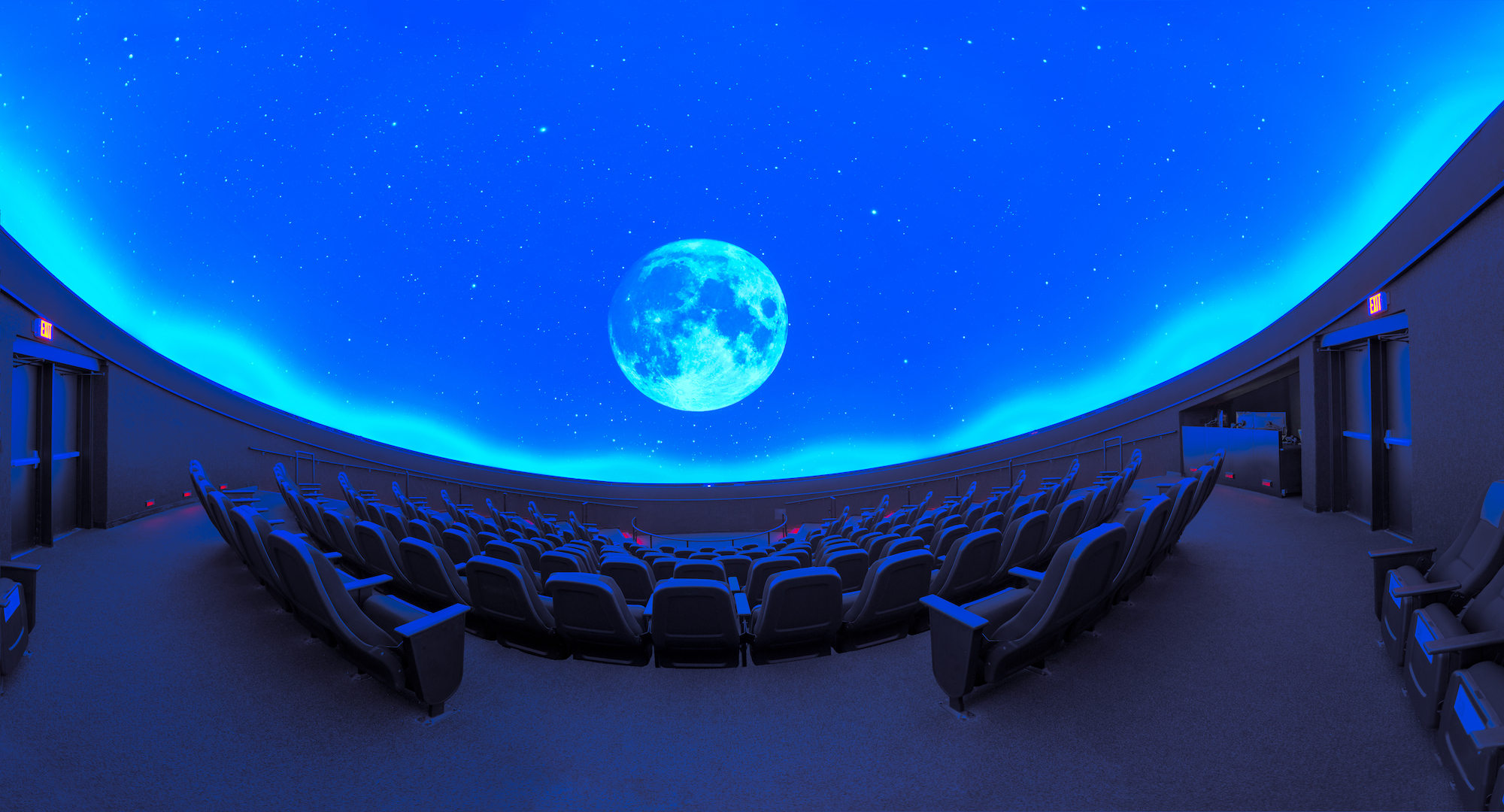
Space Theater Planetariums: A Journey Through the Universe
A space theater planetarium brings the night sky indoors. With a domed screen surrounding the audience, it can transform a darkened room into a window onto the universe—complete with stars, planets, distant galaxies, and journeys through space.
What Is a Space Theater Planetarium?
A planetarium is a venue designed to present astronomy and space science. Traditional planetariums use specialized projectors to recreate the night sky across a curved ceiling. Many modern facilities also use digital projection systems, which can display detailed images and animations across the entire dome.
The term “space theater” often describes a planetarium experience that combines science with cinematic storytelling. Rather than simply observing the stars, visitors might follow a spacecraft across the solar system, explore the surface of Mars, or travel through a visualization of the Milky Way.
How the Dome Creates Immersion
The dome is central to the experience. Because images appear above and around the audience, viewers can feel surrounded by the scene. A show might begin with familiar constellations overhead, then zoom outward to reveal the vast scale of the cosmos.
Lighting, sound, narration, and motion work together to make the presentation engaging. The best shows balance spectacle with clear explanations, helping audiences understand what they are seeing without losing the sense of wonder.
Learning Through Exploration
Space theater planetariums make complex ideas easier to visualize. They can demonstrate how planets orbit the Sun, why the Moon changes appearance, or how stars form and evolve. A presenter may also use the dome to point out seasonal constellations and explain how the sky changes over the course of a night.
For students, these experiences can bring classroom topics to life. For families and curious visitors, they offer an accessible introduction to astronomy. Programs vary by venue and may include live presentations, recorded shows, educational events, and special programs for different age groups.
More Than a Trip Through Space
Planetarium domes can be used to explore more than astronomy. Some theaters present shows about Earth’s climate, ocean environments, ancient civilizations, or the natural world. The immersive format can make these subjects feel vivid and connected, while encouraging audiences to ask questions and look more closely.
What to Expect on a Visit
Most planetarium shows take place in a dim or dark room, with guests seated beneath the dome. Arriving a little early can help visitors find their seats and settle in before the presentation begins. Since shows may include rapid movement or sweeping visual effects, anyone who is sensitive to motion should check with the venue about the program.
Show schedules, age recommendations, accessibility options, and presentation styles differ from one planetarium to another. Checking the venue’s website ahead of time can help visitors choose an experience that suits their interests.
A New Perspective on the Night Sky
A space theater planetarium combines science, technology, and storytelling to make the universe feel closer. Whether the goal is to learn about the planets or simply gaze at a sky full of stars, the experience offers a memorable reminder of how much there is to discover beyond Earth.
Top 9 FAQs About Planetarium Experiences: Shows, Locations, and More
- How long will the planetarium be closed for?
- Which planetarium in Texas is considered the best?
- How long are planetarium shows in Greenwich?
- Is the planetarium worth it?
- How long is the show in planetarium?
- Where is the best place to sit in the planetarium?
- What planetarium does Neil Degrasse Tyson work at?
- How long is a show at the planetarium?
- What is the biggest planetarium in the world?
How long will the planetarium be closed for?
The planetarium’s closure period depends on the reason for the shutdown, such as maintenance, renovations, or a temporary schedule change. For the most accurate reopening date, check the venue’s website or social media for updates, or contact the planetarium directly.
Which planetarium in Texas is considered the best?
There’s no single planetarium in Texas that’s universally considered the best, since the right choice depends on what you’re looking for. The Burke Baker Planetarium at the Houston Museum of Natural Science is a popular pick, known for its immersive dome shows and programs about astronomy and space exploration. Texas also has other excellent options, so it’s worth comparing show schedules, location, and visitor reviews before planning a trip.
How long are planetarium shows in Greenwich?
Planetarium shows at the Royal Observatory Greenwich typically last about 30 minutes, though the exact running time can vary by program. Check the show listing when booking for the current schedule and duration.
Is the planetarium worth it?
Yes, a planetarium can be well worth a visit, especially if you enjoy space, science, or immersive experiences. A dome-shaped screen surrounds you with vivid views of stars, planets, and distant galaxies, making astronomy engaging for both kids and adults. Many planetariums also offer educational shows and live presentations, so you can leave with a better understanding of the universe—not just great visuals. The experience may vary by venue and show, so check the schedule and reviews to find a program that matches your interests.
How long is the show in planetarium?
Planetarium shows typically last about 30 to 60 minutes, though the exact length depends on the theater and program. Shorter presentations may be designed for young children, while feature-length shows or live astronomy programs can run longer. Check the planetarium’s schedule for the duration of a specific show.
Where is the best place to sit in the planetarium?
The best place to sit in a planetarium is usually near the center of the seating area, where the dome fills your view without requiring you to turn your head too much. Seats a few rows back from the front often provide a comfortable balance of immersion and perspective. Since layouts and projection styles vary, check with the venue for its recommendation—and choose an aisle seat if you’d like easier access in and out.
What planetarium does Neil Degrasse Tyson work at?
Neil deGrasse Tyson works at the Hayden Planetarium, located within the American Museum of Natural History in New York City. He serves as its director and is also known for explaining astronomy and space science to audiences through books, television, and public appearances.
How long is a show at the planetarium?
Planetarium shows typically last about 30 to 60 minutes, though the length can vary by venue and program. Special presentations or live events may run longer, so check the planetarium’s schedule for the exact show time.
What is the biggest planetarium in the world?
The Nagoya City Science Museum in Japan is often recognized as home to the world’s largest planetarium dome. Its “Brother Earth” dome measures about 35 meters (115 feet) in diameter and surrounds audiences with immersive views of the night sky. “Largest” can depend on whether a ranking measures dome size, seating capacity, or the planetarium building itself, but Nagoya is widely cited for its record-setting dome.