
The Fascinating World of Minerals
Minerals are natural substances that make up the rocks and soils of the Earth. They are solid, inorganic compounds with a specific chemical composition and crystal structure. From the dazzling beauty of gemstones to the essential role minerals play in our daily lives, they are truly remarkable in their diversity and importance.
Types of Minerals
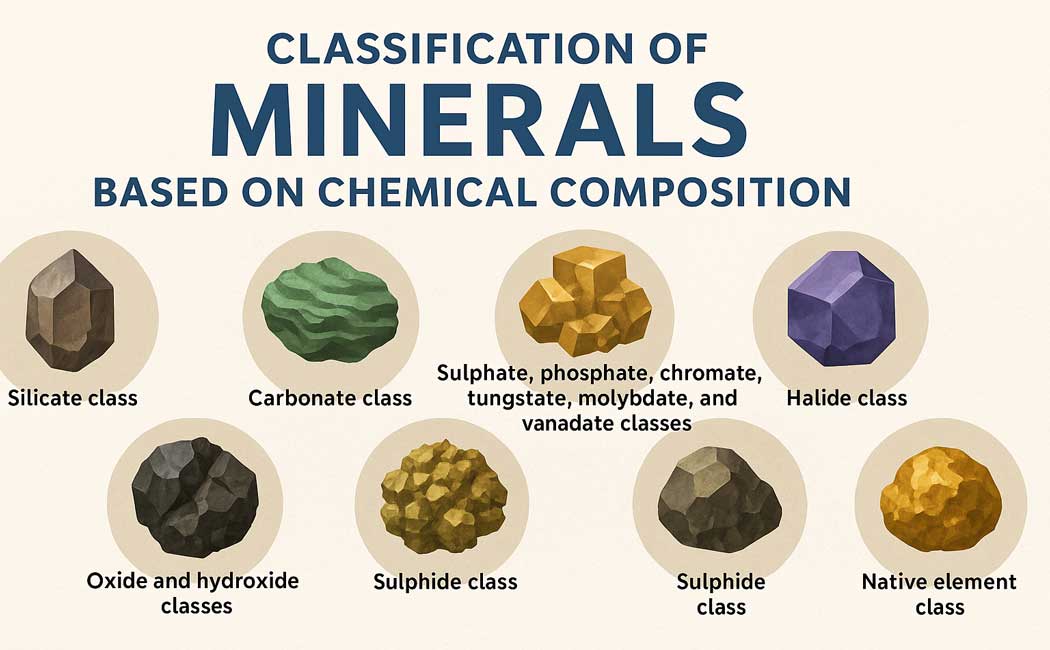
There are over 4,000 known minerals, each with its own unique properties and characteristics. Some common types of minerals include:
- Quartz: Known for its variety of colors and crystal formations, quartz is one of the most abundant minerals on Earth.
- Diamond: Renowned for its hardness and brilliance, diamonds are prized as gemstones.
- Feldspar: A group of minerals that make up a significant portion of the Earth’s crust, feldspar is used in ceramics and glassmaking.
- Hematite: Recognized for its metallic luster and reddish-brown color, hematite is a common iron ore mineral.
- Mica: Known for its perfect cleavage and ability to split into thin sheets, mica is used in electronics and cosmetics.
Uses of Minerals
Minerals have diverse applications across various industries and everyday products. Some common uses of minerals include:
- Construction: Minerals like limestone and gypsum are used in construction materials such as cement and drywall.
- Technology: Minerals like copper, gold, and silver are essential components in electronic devices and wiring.
- Agriculture: Minerals like phosphate rock are used as fertilizers to enhance crop growth.
- Jewelry: Precious gemstones like rubies, emeralds, and sapphires are used in jewelry making.
- Healthcare: Minerals like calcium, potassium, and magnesium are vital for human health and nutrition.
The Importance of Mineral Conservation
As valuable natural resources, it is crucial to practice sustainable mining practices to conserve minerals for future generations. Recycling efforts can also help reduce the demand for new mineral extraction while promoting environmental stewardship.
In conclusion, minerals play a vital role in shaping our world and enhancing our lives in countless ways. Their beauty, utility, and scientific significance make them a subject of endless fascination for geologists, collectors, industry professionals, and enthusiasts alike.
Understanding Minerals: Answers to 8 Common Questions
- What are minerals?
- How are minerals formed?
- What are the different types of minerals?
- What are the uses of minerals?
- Where are minerals found?
- How do we extract minerals from the Earth?
- Why are some minerals considered precious or rare?
- What is the impact of mining on the environment?
What are minerals?
Minerals are naturally occurring solid substances that possess specific chemical compositions and crystal structures. They form the fundamental building blocks of rocks and soils, playing a crucial role in the Earth’s geology and ecosystem. With over 4,000 known mineral species, each exhibiting unique physical and chemical properties, minerals vary widely in color, hardness, luster, and other characteristics. From the dazzling allure of gemstones to the practical applications of industrial minerals in various sectors, understanding the definition and significance of minerals is essential for appreciating their diverse roles in our daily lives and natural environment.
How are minerals formed?
Minerals are formed through a variety of geological processes that occur over millions of years. One common way minerals are created is through the cooling and solidification of molten rock, which leads to the formation of crystals. Other minerals may precipitate out of solutions, such as when water evaporates and leaves behind mineral deposits. Additionally, minerals can form through metamorphism, where existing rocks undergo high pressure and temperature changes, transforming their mineral composition. The intricate interplay of these processes contributes to the diverse array of minerals found on Earth, each with its own unique characteristics and properties.
What are the different types of minerals?
One frequently asked question about minerals is, “What are the different types of minerals?” Minerals come in a wide variety of forms, each with its own unique characteristics and properties. Some common types of minerals include quartz, known for its colorful varieties and crystal structures; diamond, prized for its hardness and brilliance as a gemstone; feldspar, a group of minerals abundant in the Earth’s crust used in ceramics and glassmaking; hematite, recognized for its metallic luster and iron content; and mica, valued for its perfect cleavage and versatility in electronics and cosmetics. These examples represent just a fraction of the diverse range of minerals found in nature, each serving distinct purposes across industries and applications.
What are the uses of minerals?
Minerals serve a wide range of essential purposes across various industries and everyday life. Their uses are diverse and impactful, ranging from construction materials like cement and drywall to the crucial role they play in technology through components such as copper, gold, and silver in electronic devices. In agriculture, minerals like phosphate rock are utilized as fertilizers to boost crop growth, while precious gemstones like rubies and sapphires adorn jewelry pieces. Furthermore, minerals such as calcium, potassium, and magnesium are indispensable for human health and nutrition. The versatility and significance of minerals underscore their importance in shaping our world and enhancing numerous aspects of society.
Where are minerals found?
Minerals are found in a variety of locations around the world, ranging from deep within the Earth’s crust to exposed surfaces like mountains and deserts. They can be discovered in underground mines, quarries, riverbeds, and even beneath the ocean floor. Some minerals form as a result of volcanic activity, while others are deposited by water or wind over millions of years. The distribution of minerals is influenced by geological processes, such as tectonic movements and erosion, creating diverse mineral deposits in different regions globally. Understanding where minerals are found is essential for mining operations, scientific research, and conservation efforts to ensure sustainable use of these valuable natural resources.
How do we extract minerals from the Earth?
The extraction of minerals from the Earth involves a series of complex processes that vary depending on the type of mineral and its location. Generally, mining operations begin with exploration to identify mineral deposits. Once a viable site is found, mining techniques such as surface mining or underground mining are employed to extract the minerals from the Earth. Surface mining involves removing overlying rock and soil to access the mineral deposits, while underground mining requires tunneling into the Earth to reach deeper mineral reserves. Additional steps like crushing, grinding, and processing are often necessary to separate valuable minerals from surrounding rock and debris. The extracted minerals are then refined and processed for various industrial, commercial, and consumer applications. Environmental considerations and sustainable practices play a crucial role in modern mineral extraction processes to minimize ecological impact and promote responsible resource management.
Why are some minerals considered precious or rare?
Some minerals are considered precious or rare due to a combination of factors such as their scarcity in nature, unique physical properties, and high demand in various industries. Precious minerals like diamonds, emeralds, and rubies are often formed under specific geological conditions that are not commonly found, making them rare and highly sought after. Additionally, their exceptional beauty, durability, and rarity contribute to their value as gemstones. Other rare minerals may possess special characteristics such as unusual coloration, crystal formations, or chemical compositions that make them prized for scientific research or industrial applications. The limited availability of these minerals further enhances their desirability and contributes to their status as precious or rare specimens in the mineral kingdom.
What is the impact of mining on the environment?
Mining has a significant impact on the environment, affecting ecosystems, water quality, air pollution, and land degradation. The extraction of minerals often involves the clearing of vegetation, disruption of wildlife habitats, and alteration of landscapes. Mining activities can lead to soil erosion, contamination of water sources with toxic chemicals, and increased greenhouse gas emissions. Proper waste management and reclamation practices are essential to mitigate these environmental impacts and restore mined areas to their natural state. Sustainable mining methods and technologies are being developed to minimize the negative effects of mining on the environment and promote long-term environmental stewardship in the mining industry.