
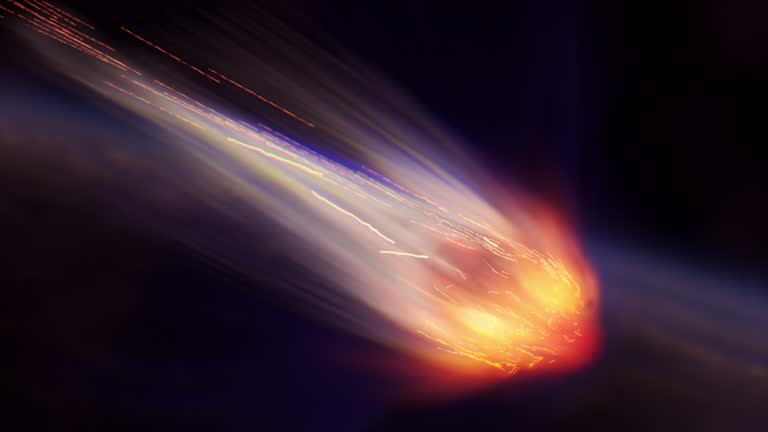
The Fascinating World of Meteorites
Meteorites, remnants of space rocks that survive the journey through Earth’s atmosphere to reach the ground, have captivated scientists and enthusiasts alike for centuries. These extraterrestrial visitors provide valuable insights into the formation and history of our solar system.
Types of Meteorites
Meteorites can be classified into three main types: stony meteorites, iron meteorites, and stony-iron meteorites. Stony meteorites are composed primarily of silicate minerals and make up the majority of meteorite finds. Iron meteorites are mainly composed of iron-nickel alloys, while stony-iron meteorites contain a combination of both silicate minerals and metal.
Impact on Earth
When a meteoroid survives its journey through the Earth’s atmosphere and lands on the surface, it is called a meteorite. Meteorite impacts have played a significant role in shaping our planet’s geology and even influencing biological evolution. Notable impact craters like Chicxulub in Mexico provide evidence of catastrophic events in Earth’s history.
Scientific Significance
Studying meteorites provides scientists with valuable information about the early solar system’s composition and processes. By analyzing isotopic ratios and mineral compositions within meteorites, researchers can gain insights into planetary formation, differentiation, and even the possibility of life beyond Earth.
Collection and Preservation
Meteorite hunters scour areas where these cosmic rocks are likely to land, such as deserts or Antarctica. Once recovered, proper preservation techniques are crucial to prevent contamination or alteration of these precious specimens. Museums and research institutions around the world house extensive collections for study and public education.
In Conclusion
Meteorites offer a window into the mysteries of our universe, connecting us to distant corners of space and time. Their study continues to inspire curiosity and scientific exploration as we strive to unravel the secrets hidden within these ancient celestial artifacts.
7 Essential Tips for Understanding and Discovering Meteorites
- Meteorites are pieces of rock or metal that have fallen to Earth from space.
- They can vary in size from tiny grains to large boulders.
- Meteorites are often classified into three main types
- Some meteorites contain valuable minerals or rare elements.
- If you find a potential meteorite, it’s best to have it authenticated by an expert.
- Meteorite hunting is a popular hobby for enthusiasts who enjoy searching for these extraterrestrial rocks.
- Learning about meteorites can provide insights into the formation and history of our solar system.
Meteorites are pieces of rock or metal that have fallen to Earth from space.
Meteorites are fascinating remnants of celestial bodies that have journeyed through space and landed on Earth. These pieces of rock or metal provide a tangible connection to the vast universe beyond our planet, offering valuable insights into the composition and history of our solar system. Studying meteorites allows scientists to unravel mysteries about planetary formation, cosmic processes, and the potential for life elsewhere in the cosmos. Each meteorite is a unique piece of the puzzle that helps us better understand the wonders of the universe.
They can vary in size from tiny grains to large boulders.
Meteorites, fascinating remnants of space rocks that endure the journey through Earth’s atmosphere, exhibit a wide range in size, spanning from minuscule grains to massive boulders. This diversity in size underscores the dynamic nature of these extraterrestrial visitors and highlights the awe-inspiring spectrum of cosmic phenomena that can interact with our planet.
Meteorites are often classified into three main types
Meteorites are often classified into three main types based on their composition: stony meteorites, iron meteorites, and stony-iron meteorites. Stony meteorites are predominantly made up of silicate minerals, while iron meteorites consist mainly of iron-nickel alloys. Stony-iron meteorites, on the other hand, contain a combination of both silicate minerals and metal. This classification helps scientists understand the diversity of materials present in our solar system and provides valuable insights into the processes that shaped these celestial bodies.
Some meteorites contain valuable minerals or rare elements.
Some meteorites are not just cosmic curiosities but also hidden treasures, containing valuable minerals or rare elements that can hold significant economic and scientific value. These extraterrestrial rocks offer a unique opportunity for researchers and collectors to study and extract precious resources that are not commonly found on Earth, adding an extra layer of intrigue to the study of meteorites.
If you find a potential meteorite, it’s best to have it authenticated by an expert.
If you come across a possible meteorite, it is advisable to have it authenticated by a specialist. Authenticating a meteorite requires expertise in identifying key characteristics that distinguish it from terrestrial rocks. Consulting an expert ensures that the specimen is properly evaluated and verified, adding credibility to its extraterrestrial origin. By seeking professional authentication, you can confirm the authenticity of the meteorite and gain valuable insights into its unique composition and history.
Meteorite hunting is a popular hobby for enthusiasts who enjoy searching for these extraterrestrial rocks.
Meteorite hunting is a popular hobby for enthusiasts who enjoy searching for these extraterrestrial rocks. The thrill of uncovering a meteorite that has traveled millions of miles through space and landed on Earth is a rewarding experience for many collectors. Armed with knowledge of meteorite types, impact sites, and hunting techniques, these enthusiasts embark on expeditions to remote locations in search of these cosmic treasures. The hunt for meteorites not only offers a chance to connect with the wonders of the universe but also provides an opportunity to contribute to scientific research and understanding of our solar system’s history.
Learning about meteorites can provide insights into the formation and history of our solar system.
Exploring the world of meteorites offers a fascinating glimpse into the formation and history of our solar system. By studying these extraterrestrial remnants, scientists can uncover valuable clues about the processes that shaped the planets, moons, and other celestial bodies in our cosmic neighborhood. Meteorites serve as time capsules from the early days of our solar system, providing a tangible link to the ancient events that set the stage for the world we know today. Through understanding meteorites, we gain a deeper appreciation for the dynamic and evolving nature of our universe.