
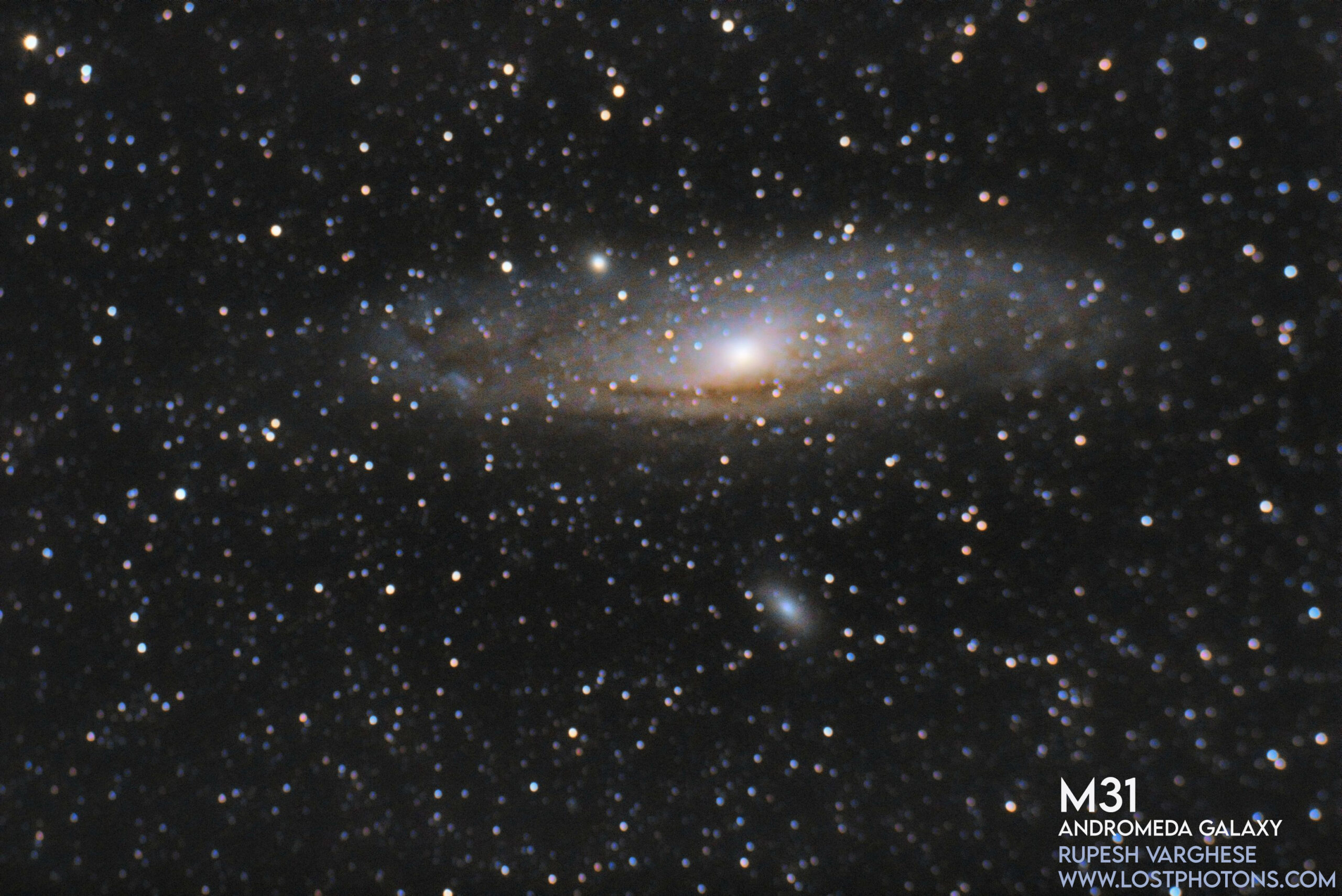
Exploring Messier 31: The Andromeda Galaxy
The Andromeda Galaxy, also known as Messier 31 or M31, is a majestic spiral galaxy located in the constellation of Andromeda. It is the closest spiral galaxy to our own Milky Way, making it a fascinating subject of study for astronomers and stargazers alike.
Key Features of Messier 31
Messier 31 is estimated to be around 2.5 million light-years away from Earth, making it one of the most distant objects visible to the naked eye under dark skies. With a diameter of approximately 220,000 light-years, it is larger than our Milky Way galaxy.
One of the most striking features of the Andromeda Galaxy is its spiral structure, consisting of majestic arms filled with young blue stars, dust lanes, and glowing star clusters. Its central bulge harbors older red stars and a supermassive black hole at its core.
Observing Messier 31
Amateur astronomers can observe Messier 31 with binoculars or small telescopes on clear nights away from light pollution. Its bright nucleus and spiral arms make it a captivating sight in the night sky.
For astrophotography enthusiasts, capturing the beauty of the Andromeda Galaxy requires longer exposures to reveal its intricate details and vibrant colors. Many photographers have captured stunning images showcasing its grandeur against the backdrop of space.
Scientific Significance
Studying Messier 31 provides valuable insights into galaxy formation and evolution. Astronomers have discovered numerous satellite galaxies orbiting around the Andromeda Galaxy, shedding light on how galaxies interact and evolve over cosmic timescales.
The future collision between our Milky Way and Messier 31, projected to occur billions of years from now, offers a glimpse into the dynamic nature of galaxies and their gravitational interactions.
Conclusion
Messier 31, the Andromeda Galaxy, stands as a beacon in the night sky—a reminder of the vastness and beauty of our universe. Whether observed through a telescope or admired in stunning astrophotography, this celestial wonder continues to inspire curiosity and awe among all who gaze upon it.
Exploring Messier 31: Answers to Common Questions About the Andromeda Galaxy
- 1. What is Messier 31?
- 2. How far away is the Andromeda Galaxy (Messier 31) from Earth?
- 3. What are the key features of Messier 31?
- 4. Can Messier 31 be seen with the naked eye?
- 5. How large is the Andromeda Galaxy compared to the Milky Way?
- 6. What is the structure of Messier 31 like?
- 7. How can amateur astronomers observe Messier 31?
- 8. Why is studying Messier 31 scientifically significant?
1. What is Messier 31?
Messier 31, also known as the Andromeda Galaxy, is a prominent spiral galaxy located in the constellation of Andromeda. It is the closest spiral galaxy to our Milky Way and is approximately 2.5 million light-years away from Earth. Messier 31 is a sprawling cosmic masterpiece, boasting a diameter larger than our own galaxy. With its distinct spiral arms adorned with young blue stars and dust lanes, along with a central bulge housing older red stars and a supermassive black hole, this celestial marvel captivates astronomers and stargazers alike. Observing Messier 31 offers a glimpse into the grandeur of the universe and provides valuable insights into galaxy formation and evolution.
2. How far away is the Andromeda Galaxy (Messier 31) from Earth?
One of the most frequently asked questions about the Andromeda Galaxy, also known as Messier 31, is regarding its distance from Earth. The Andromeda Galaxy is estimated to be approximately 2.5 million light-years away from our planet. This vast distance places it as the closest spiral galaxy to our own Milky Way, making it a prominent object of study and fascination for astronomers and space enthusiasts alike. The sheer scale of this cosmic neighbor serves as a humbling reminder of the immense distances and wonders that exist within our universe.
3. What are the key features of Messier 31?
The key features of Messier 31, also known as the Andromeda Galaxy, include its status as the closest spiral galaxy to our Milky Way, situated approximately 2.5 million light-years away. With a diameter surpassing 220,000 light-years, it dwarfs our own galaxy in size. Notable characteristics of Messier 31 encompass its prominent spiral structure adorned with vibrant arms teeming with young blue stars, intertwined with dust lanes and luminous star clusters. At its core lies a central bulge housing older red stars and a supermassive black hole, adding to the galaxy’s allure and scientific significance in the realm of astronomy.
4. Can Messier 31 be seen with the naked eye?
The Andromeda Galaxy, also known as Messier 31, is indeed visible to the naked eye under optimal viewing conditions. Located approximately 2.5 million light-years away from Earth, this majestic spiral galaxy appears as a faint smudge of light in the night sky. To observe Messier 31 without the aid of binoculars or telescopes, it is recommended to find a dark sky location free from light pollution and allow your eyes to adapt to the darkness. With patience and clear skies, stargazers can marvel at the beauty of the Andromeda Galaxy as one of the most distant objects visible with unaided vision.
5. How large is the Andromeda Galaxy compared to the Milky Way?
One frequently asked question about Messier 31, the Andromeda Galaxy, is regarding its size in comparison to the Milky Way. The Andromeda Galaxy is larger than our own Milky Way, with an estimated diameter of approximately 220,000 light-years compared to the Milky Way’s diameter of around 100,000-120,000 light-years. This makes Messier 31 one of the largest galaxies in our local group and a captivating subject for astronomers studying the dynamics and interactions of galaxies in the cosmos.
6. What is the structure of Messier 31 like?
The structure of Messier 31, also known as the Andromeda Galaxy, is characterized by its majestic spiral arms that radiate outward from a central bulge. These arms are adorned with young, luminous blue stars, intricate dust lanes, and glowing star clusters that contribute to its overall grandeur. In contrast, the central bulge of the galaxy contains older, redder stars and hosts a supermassive black hole at its core. This spiral structure not only showcases the beauty of cosmic symmetry but also provides valuable insights into the formation and evolution of galaxies in our vast universe.
7. How can amateur astronomers observe Messier 31?
Amateur astronomers can observe Messier 31, the Andromeda Galaxy, with the naked eye under dark skies, making it one of the most distant objects visible without optical aid. To enhance the viewing experience, binoculars or small telescopes can be used to capture more details of this majestic spiral galaxy. Finding a location away from light pollution is crucial for optimal visibility. By directing their gaze towards the constellation of Andromeda on clear nights, amateur astronomers can marvel at the bright nucleus and spiral arms of Messier 31, immersing themselves in the beauty of our cosmic neighbor.
8. Why is studying Messier 31 scientifically significant?
Studying Messier 31, also known as the Andromeda Galaxy, holds significant scientific importance due to its role in advancing our understanding of galaxy formation and evolution. By observing the structure, dynamics, and interactions of this spiral galaxy, astronomers can unravel key insights into the processes that shape galaxies across the universe. The proximity of Messier 31 allows for detailed studies of its stellar populations, gas content, and gravitational interactions with satellite galaxies. Furthermore, the projected future collision between the Milky Way and Andromeda offers a unique opportunity to explore the consequences of galactic mergers and their impact on the evolution of galaxies over cosmic timescales. Overall, delving into the mysteries of Messier 31 contributes valuable knowledge to astrophysical research and broadens our perspective on the cosmic tapestry of galaxies.