
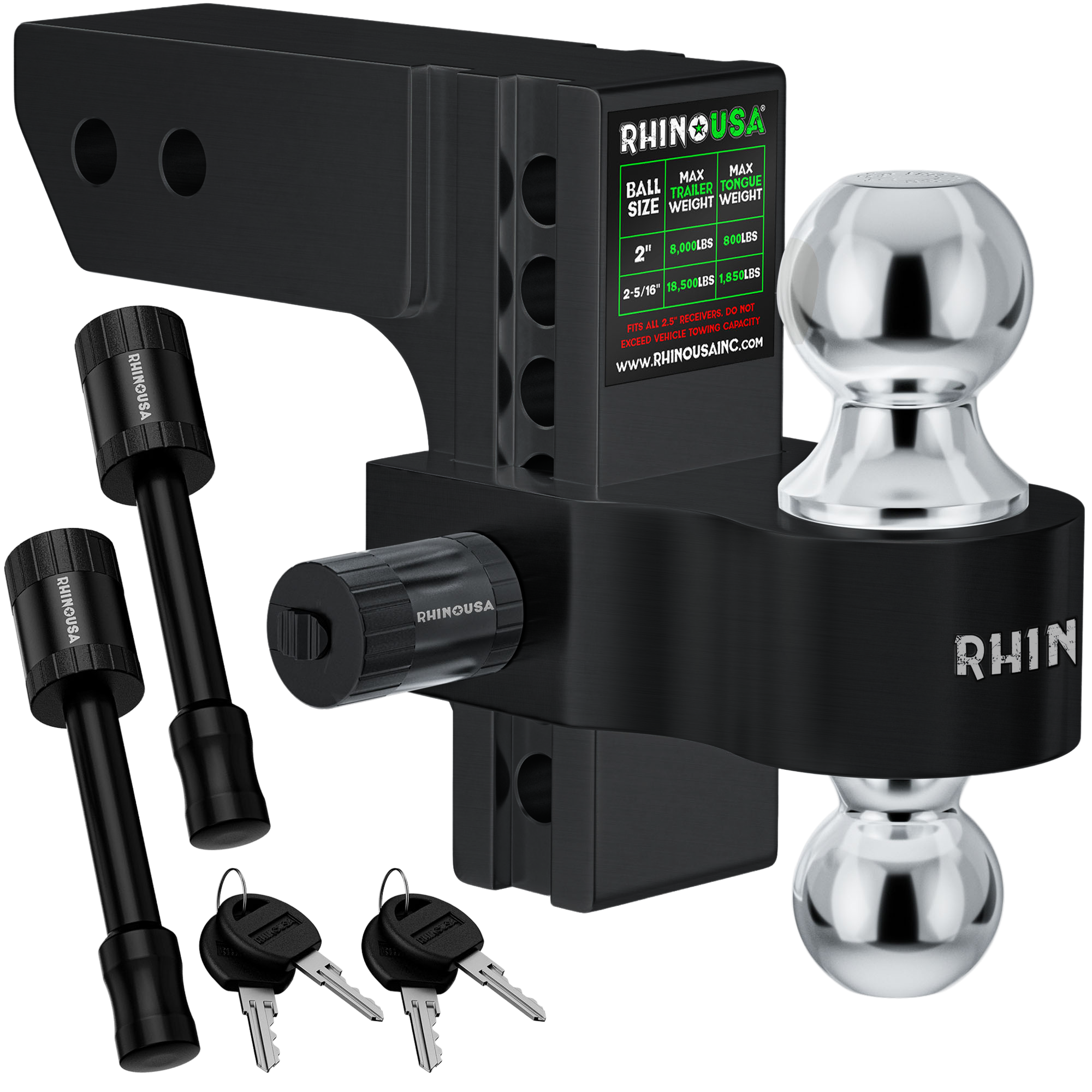
The Essential Guide to Hitches
When it comes to towing trailers, boats, or other heavy loads, having the right hitch is crucial for a safe and secure journey. Hitches are devices that connect a trailer to the towing vehicle, providing stability and control while on the road.
Types of Hitches
There are several types of hitches available, each designed for specific towing needs:
- Ball Hitch: One of the most common types, a ball hitch consists of a ball attached to the rear of the towing vehicle that connects to a coupler on the trailer.
- Fifth Wheel Hitch: Commonly used for towing large trailers and RVs, fifth wheel hitches are mounted in the bed of a pickup truck and provide increased stability.
- Pintle Hitch: Ideal for heavy-duty towing, pintle hitches consist of a hook on the towing vehicle that latches onto a ring on the trailer.
- Weight Distribution Hitch: Designed to distribute weight evenly between the towing vehicle and trailer, these hitches help improve handling and reduce sway.
Choosing the Right Hitch
When selecting a hitch, consider factors such as the weight of your load, your vehicle’s towing capacity, and the type of trailer you will be towing. It’s important to choose a hitch that is compatible with both your vehicle and your trailer for optimal safety and performance.
Hitch Installation and Maintenance
Proper installation of your hitch is essential to ensure its effectiveness. Follow manufacturer guidelines carefully or consult a professional for assistance. Regular maintenance, including lubrication and inspection for wear and tear, will help prolong the life of your hitch and keep it functioning smoothly.
Conclusion
Whether you’re embarking on a cross-country road trip or simply transporting equipment locally, having the right hitch can make all the difference in ensuring a smooth and secure journey. Take the time to research and invest in a quality hitch that meets your specific needs for safe towing every time.
5 Essential Tips for Safe and Secure Hitching
- Inspect your hitch regularly for any signs of wear or damage.
- Make sure the hitch ball matches the size of the trailer coupler.
- Always double-check that the safety chains are properly connected and crossed underneath the trailer tongue.
- Use a locking hitch pin to secure the hitch to your vehicle and prevent theft.
- Consider using a weight distribution hitch if you are towing a heavy trailer to improve stability and control.
Inspect your hitch regularly for any signs of wear or damage.
It is crucial to inspect your hitch regularly for any signs of wear or damage to ensure safe towing practices. By checking your hitch routinely, you can identify potential issues such as rust, cracks, or loose components that may compromise its integrity. Addressing these issues promptly through maintenance or replacement can prevent accidents and ensure that your hitch remains reliable and secure for all your towing needs.
Make sure the hitch ball matches the size of the trailer coupler.
To ensure a safe and secure towing experience, it is essential to make sure that the hitch ball matches the size of the trailer coupler. The hitch ball serves as the connection point between the towing vehicle and the trailer, and a mismatch in sizes can lead to instability and potential accidents on the road. Always double-check that the hitch ball diameter corresponds with the size of the trailer coupler to guarantee a proper fit and reliable connection between the two components.
Always double-check that the safety chains are properly connected and crossed underneath the trailer tongue.
It is crucial to always double-check that the safety chains are properly connected and crossed underneath the trailer tongue when hitching a trailer. This safety measure helps prevent the tongue from dropping to the ground in case of a hitch failure, providing an additional layer of security during towing. By ensuring that the safety chains are securely attached and crossed, you can enhance the stability and control of your trailer while on the road, promoting safe and worry-free towing experiences.
Use a locking hitch pin to secure the hitch to your vehicle and prevent theft.
To enhance the security of your towing setup, it is highly recommended to utilize a locking hitch pin. By employing a locking hitch pin, you can effectively secure the hitch to your vehicle and deter potential theft or unauthorized removal. This simple yet effective measure provides peace of mind knowing that your trailer hitch is safely attached and protected, giving you added confidence during your travels.
Consider using a weight distribution hitch if you are towing a heavy trailer to improve stability and control.
When towing a heavy trailer, it is advisable to consider using a weight distribution hitch to enhance stability and control on the road. A weight distribution hitch helps evenly distribute the weight between the towing vehicle and the trailer, reducing sway and improving handling. By utilizing this type of hitch, you can ensure a safer and smoother towing experience, especially when dealing with heavier loads that may impact your vehicle’s performance.