
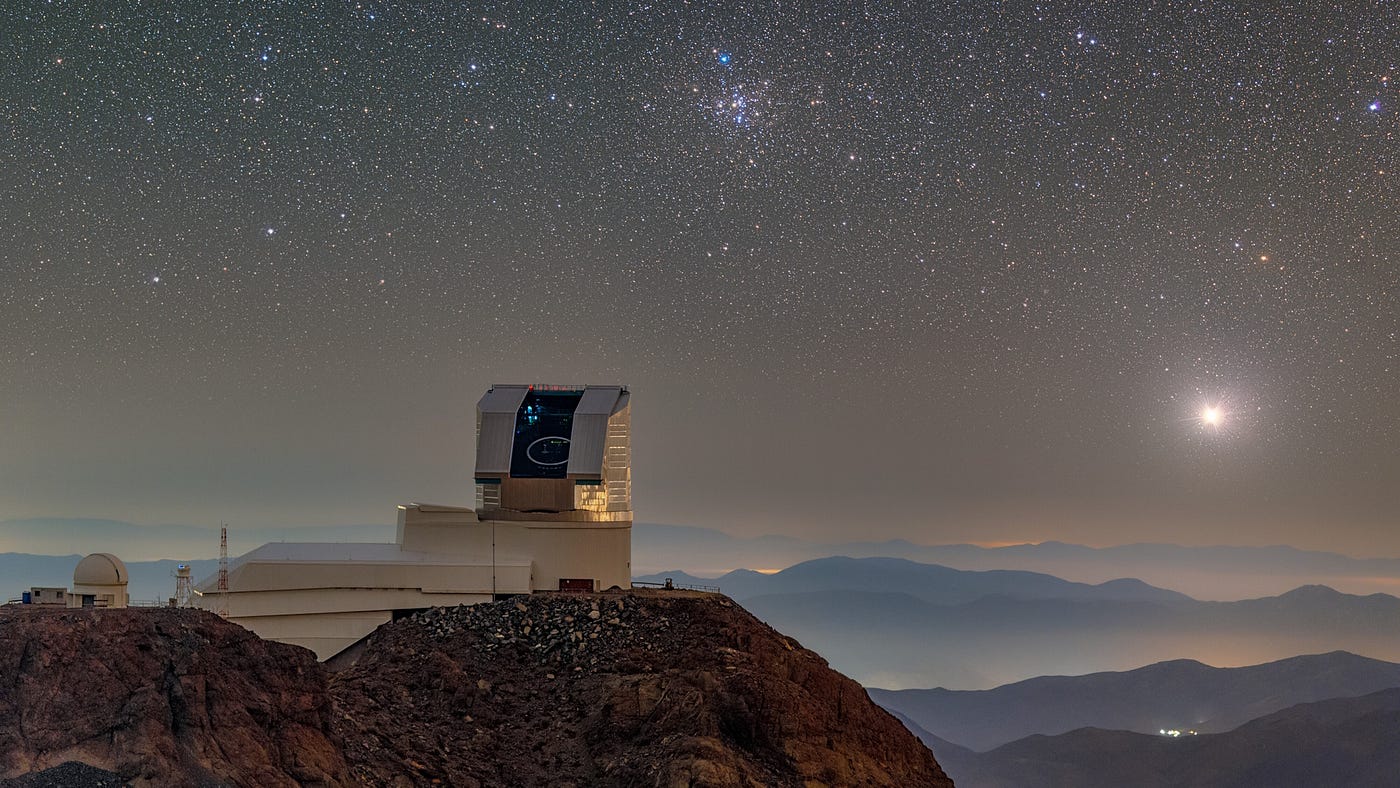
The Enchanting Beauty of the Night Sky
As the sun dips below the horizon and darkness descends, a magical transformation takes place overhead. The night sky, once a blank canvas, becomes a breathtaking tapestry of twinkling stars, celestial bodies, and mysterious phenomena.
Looking up at the night sky, one can’t help but feel a sense of awe and wonder. The vast expanse above us holds countless secrets and wonders waiting to be discovered. Each star that glimmers in the darkness tells a story of cosmic evolution and infinite possibilities.
On a clear night, away from the city lights, the full majesty of the night sky reveals itself. The Milky Way stretches across the heavens like a river of light, dotted with distant galaxies and nebulae. Shooting stars streak across the sky, leaving ephemeral trails of light in their wake.
For centuries, humans have looked to the stars for guidance, inspiration, and solace. Ancient civilizations mapped out constellations in the sky, weaving myths and legends into their patterns. Today, astronomers continue to explore the mysteries of the universe using powerful telescopes and advanced technology.
But you don’t need fancy equipment to appreciate the beauty of the night sky. Simply lying back on a grassy field or gazing out from a balcony can offer moments of tranquility and reflection under a canopy of stars.
Whether you’re an amateur stargazer or a seasoned astronomer, there’s something undeniably magical about losing yourself in the vastness of space on a quiet night. The night sky reminds us of our place in the cosmos – small yet significant – and invites us to ponder life’s big questions under its timeless canopy.
Exploring the Night Sky: Answers to 9 Common Questions
- What are stars?
- How many stars are visible in the night sky?
- Why do stars twinkle?
- What causes shooting stars?
- Can you see planets in the night sky?
- What is the Milky Way and can we see it from Earth?
- How do astronomers study the night sky?
- Are there constellations visible every night?
- Why does the moon change its shape in the night sky?
What are stars?
Stars are celestial bodies that shine brightly in the night sky, captivating observers with their luminous presence. These distant suns are massive balls of hot gas, primarily composed of hydrogen and helium, undergoing nuclear fusion reactions in their cores. The energy produced from these reactions radiates outward, creating the intense light and heat that we see from Earth. Stars come in various sizes, colors, and stages of evolution, each playing a vital role in the vast cosmic tapestry of the universe. Studying stars not only helps us understand their life cycles but also provides valuable insights into the origins and dynamics of galaxies and the fundamental forces that govern our universe.
How many stars are visible in the night sky?
The question of how many stars are visible in the night sky is a common inquiry that often sparks curiosity and wonder. While the exact number varies depending on factors such as light pollution, atmospheric conditions, and the observer’s location, it is estimated that under ideal circumstances, a person with normal vision can see around 2,500 stars with the naked eye. However, this number can increase significantly in areas with minimal light pollution or with the aid of telescopes or binoculars, revealing even more celestial gems scattered across the vast expanse of the night sky.
Why do stars twinkle?
Stars twinkle in the night sky due to the phenomenon of atmospheric turbulence. When starlight passes through Earth’s atmosphere, it encounters layers of air at different temperatures and densities. These varying air conditions cause the light to refract or bend slightly, leading to the twinkling effect we observe from the ground. The constant shifting and bending of starlight as it travels through the atmosphere create the appearance of stars flickering or twinkling, adding a magical quality to our view of the night sky.
What causes shooting stars?
Shooting stars, also known as meteors, are caused by small particles called meteoroids entering Earth’s atmosphere at high speeds. When a meteoroid collides with the Earth’s atmosphere, friction heats up the air around it, causing the meteoroid to burn up and create a streak of light across the sky. This phenomenon is what we see as a shooting star. Most meteoroids are no larger than a grain of sand, but their fiery descent can create spectacular displays in the night sky that captivate observers and inspire wonder about the mysteries of our universe.
Can you see planets in the night sky?
Yes, planets are often visible in the night sky, depending on their position in relation to Earth and the time of year. Planets such as Venus, Mars, Jupiter, and Saturn are among the brightest objects in the night sky and can be easily spotted with the naked eye. They appear as bright points of light that do not twinkle like stars. Stargazers can observe these planets at different times throughout the year, as they move along their orbits around the Sun. With a basic understanding of celestial navigation and some patience, spotting planets in the night sky can be a rewarding experience that offers a glimpse into the vastness of our solar system.
What is the Milky Way and can we see it from Earth?
The Milky Way is the galaxy that contains our solar system, consisting of billions of stars, planets, and other celestial objects. When we look up at the night sky from Earth, we are actually viewing the Milky Way edge-on, which appears as a faint band of light stretching across the heavens. Depending on light pollution levels and atmospheric conditions, the Milky Way can be visible to the naked eye in areas with minimal light pollution. Stargazers in remote locations away from city lights have the best chance of seeing this luminous band arching overhead on a clear night, providing a glimpse into the vastness and beauty of our galactic home.
How do astronomers study the night sky?
Astronomers study the night sky using a variety of tools and techniques to unravel the mysteries of the universe. They utilize powerful telescopes, both ground-based and space-based, to observe celestial objects with precision and clarity. By collecting data from different wavelengths of light, astronomers can analyze the composition, temperature, and movement of stars, planets, galaxies, and other cosmic phenomena. Additionally, advanced imaging technologies and computer simulations help astronomers visualize and model complex astronomical processes, allowing them to deepen our understanding of the vast expanse above us. Through meticulous observation and analysis, astronomers continue to push the boundaries of knowledge and explore the infinite wonders of the night sky.
Are there constellations visible every night?
The visibility of constellations in the night sky varies depending on the time of year and your location. While some constellations are visible year-round, others come into view during specific seasons. Additionally, factors like light pollution, weather conditions, and the brightness of the moon can affect how clearly constellations can be seen on any given night. Stargazers may need to wait for certain constellations to rise above the horizon or for optimal viewing conditions to observe them in their full glory. Patience and a keen eye are essential when seeking out these celestial patterns amidst the vast expanse of the night sky.
Why does the moon change its shape in the night sky?
The changing shape of the moon in the night sky is a fascinating celestial phenomenon that has intrigued humanity for centuries. The lunar phases, from full moon to new moon and everything in between, are a result of the moon’s position relative to the sun and Earth. As the moon orbits our planet, different portions of its illuminated surface become visible from Earth, creating the appearance of changing shapes or phases. This cyclical dance between light and shadow not only mesmerizes stargazers but also serves as a reminder of the interconnectedness of celestial bodies in our solar system.