
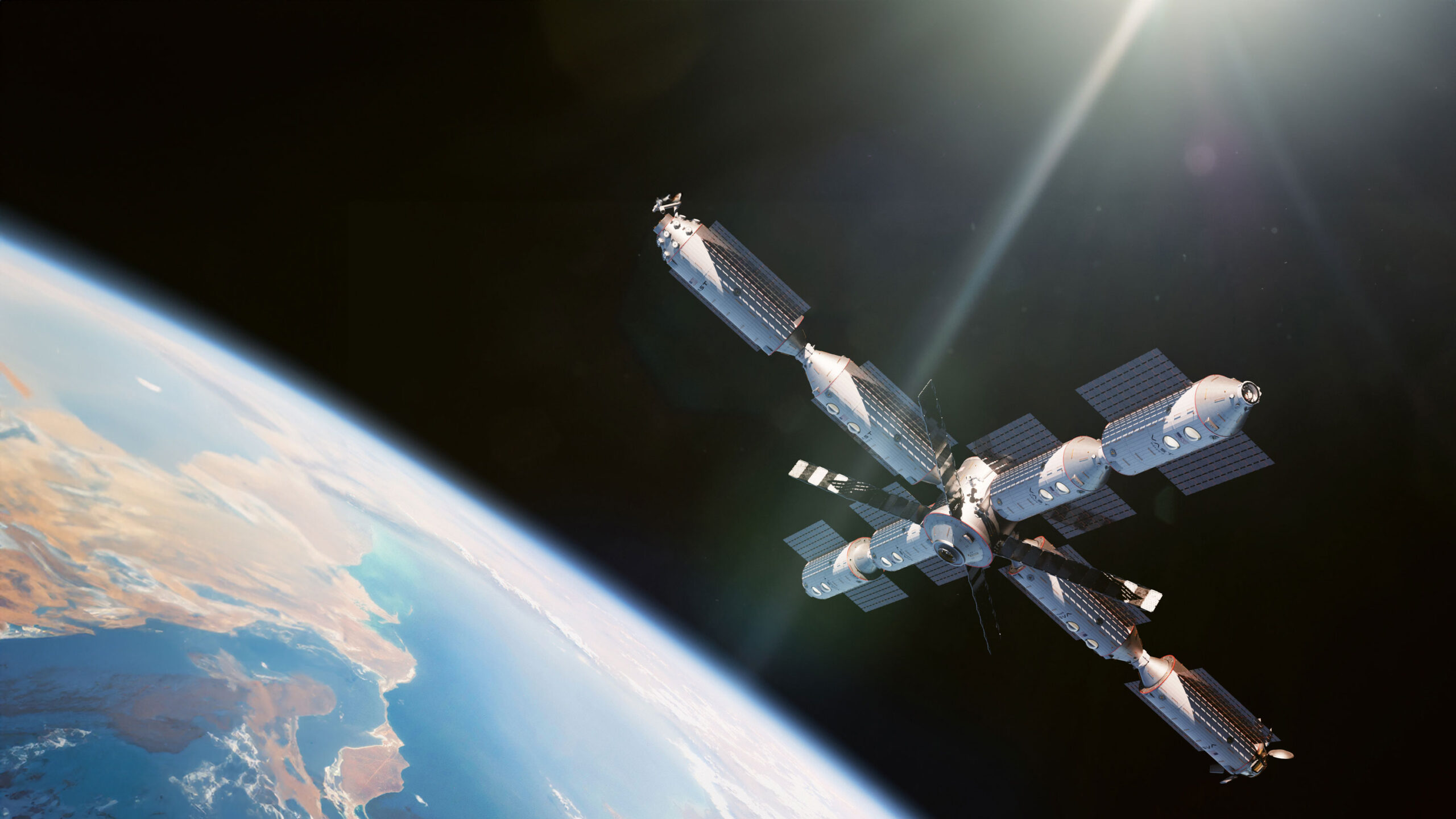
The Wonders of International Space Stations
International Space Stations (ISS) represent a remarkable feat of human engineering and collaboration. These orbiting laboratories serve as a symbol of international cooperation in space exploration, bringing together astronauts from various countries to conduct groundbreaking research and experiments.
History of International Space Stations
The concept of international space stations dates back to the early days of space exploration. The first modular space station, Mir, was launched by the Soviet Union in 1986 and served as a precursor to future collaborative efforts. In 1998, the launch of the first module of the ISS marked the beginning of a new era in space exploration.
Mission and Objectives
The primary mission of international space stations is to conduct scientific research in microgravity conditions. Astronauts aboard the ISS perform experiments in various fields such as biology, physics, astronomy, and materials science. The data collected from these experiments help scientists better understand fundamental aspects of life and the universe.
International Cooperation
What sets international space stations apart is the spirit of cooperation among participating countries. The ISS is a joint project involving space agencies from the United States, Russia, Europe, Japan, and Canada. Astronauts from different nations work together seamlessly onboard the station, demonstrating that boundaries on Earth do not limit exploration in space.
Challenges and Innovations
Operating an international space station presents numerous challenges, including logistical issues, crew coordination, and equipment maintenance. However, these challenges have spurred innovations in technology and collaboration that benefit not only space exploration but also various industries on Earth.
The Future of International Space Stations
As we look ahead, international space stations will continue to play a crucial role in advancing our understanding of space and pushing the boundaries of human knowledge. Plans for future stations are already underway, with ambitions to explore deeper into our solar system and beyond.
In conclusion, international space stations represent a beacon of unity among nations in pursuit of scientific discovery and exploration beyond Earth’s boundaries. These marvels of modern engineering stand as testaments to what humanity can achieve when we work together towards a common goal.
Exploring the International Space Station: 7 Fascinating Facts About Life and Research in Orbit
- International Space Station (ISS) orbits Earth at an average altitude of approximately 420 kilometers.
- ISS travels at a speed of about 28,000 kilometers per hour, completing an orbit around Earth roughly every 90 minutes.
- The ISS serves as a microgravity and space environment research laboratory where scientific research is conducted in astrobiology, astronomy, meteorology, physics, and other fields.
- Astronauts aboard the ISS experience about 16 sunrises and sunsets each day due to its fast orbit around Earth.
- The ISS is a joint project involving multiple countries including the United States, Russia, Europe, Japan, and Canada.
- Regular resupply missions ensure that astronauts have food, water, equipment, and other essentials needed for their stay on the ISS.
- Communication with the ISS is maintained through various tracking stations located around the world to support scientific experiments and daily operations.
International Space Station (ISS) orbits Earth at an average altitude of approximately 420 kilometers.
The International Space Station (ISS) orbits Earth at an average altitude of approximately 420 kilometers. This impressive orbital height allows the ISS to circumnavigate the planet multiple times a day, providing astronauts onboard with breathtaking views of Earth’s landscapes and a unique perspective on our planet’s beauty and fragility. At this altitude, the ISS remains within the Earth’s atmosphere but experiences microgravity conditions that enable scientific research and experiments that are not possible on the ground.
ISS travels at a speed of about 28,000 kilometers per hour, completing an orbit around Earth roughly every 90 minutes.
The International Space Station (ISS) orbits Earth at an astonishing speed of approximately 28,000 kilometers per hour, completing a full orbit around our planet in just about 90 minutes. This incredible velocity allows the ISS to circumnavigate the Earth multiple times a day, providing astronauts onboard with breathtaking views of our planet from space and enabling them to conduct scientific research in microgravity conditions. The ISS’s rapid orbit serves as a testament to human ingenuity and technological prowess in exploring the vast expanse of outer space.
The ISS serves as a microgravity and space environment research laboratory where scientific research is conducted in astrobiology, astronomy, meteorology, physics, and other fields.
The International Space Station (ISS) serves as a vital microgravity and space environment research laboratory where groundbreaking scientific research is conducted across a wide range of fields. From astrobiology to astronomy, meteorology to physics, the ISS provides a unique platform for studying phenomena that are impossible to replicate on Earth. Astronauts aboard the ISS carry out experiments that contribute to our understanding of fundamental aspects of life, the universe, and the effects of space travel on the human body. This unparalleled research conducted on the ISS continues to expand our knowledge and pave the way for future space exploration endeavors.
Astronauts aboard the ISS experience about 16 sunrises and sunsets each day due to its fast orbit around Earth.
Astronauts aboard the International Space Station (ISS) are treated to a unique spectacle, witnessing approximately 16 sunrises and sunsets every day as the station orbits Earth at a rapid pace. This phenomenon not only showcases the stunning beauty of our planet from space but also presents astronauts with a constant reminder of the dynamic nature of life in orbit. The frequent transitions between light and dark offer a surreal and awe-inspiring experience that highlights the extraordinary environment in which these space explorers live and work.
The ISS is a joint project involving multiple countries including the United States, Russia, Europe, Japan, and Canada.
The International Space Station (ISS) serves as a remarkable example of international collaboration, bringing together nations such as the United States, Russia, Europe, Japan, and Canada in a joint effort to explore the frontiers of space. This multinational partnership showcases the shared commitment of diverse countries to push the boundaries of human knowledge and scientific discovery beyond Earth’s atmosphere. Working together on the ISS, astronauts from these nations demonstrate that cooperation knows no borders when it comes to advancing our understanding of space and conducting groundbreaking research in microgravity conditions.
Regular resupply missions ensure that astronauts have food, water, equipment, and other essentials needed for their stay on the ISS.
Regular resupply missions play a critical role in sustaining the daily operations of astronauts aboard international space stations. These missions ensure that essential supplies such as food, water, equipment, and other necessities are consistently delivered to the ISS, enabling astronauts to carry out their scientific research and maintain their well-being during their extended stays in space. The reliability and efficiency of these resupply missions are vital in supporting the continuous presence of humans in orbit and facilitating ongoing exploration and experimentation in the unique environment of space.
Communication with the ISS is maintained through various tracking stations located around the world to support scientific experiments and daily operations.
Communication with the International Space Station (ISS) is a critical aspect of its operations, and it is facilitated through a network of tracking stations strategically positioned across the globe. These tracking stations play a vital role in maintaining constant contact with the ISS, enabling real-time communication for scientific experiments, astronaut activities, and overall daily operations. By leveraging these communication links, researchers and mission control teams can collaborate seamlessly to ensure the success of experiments and missions conducted aboard the ISS.