
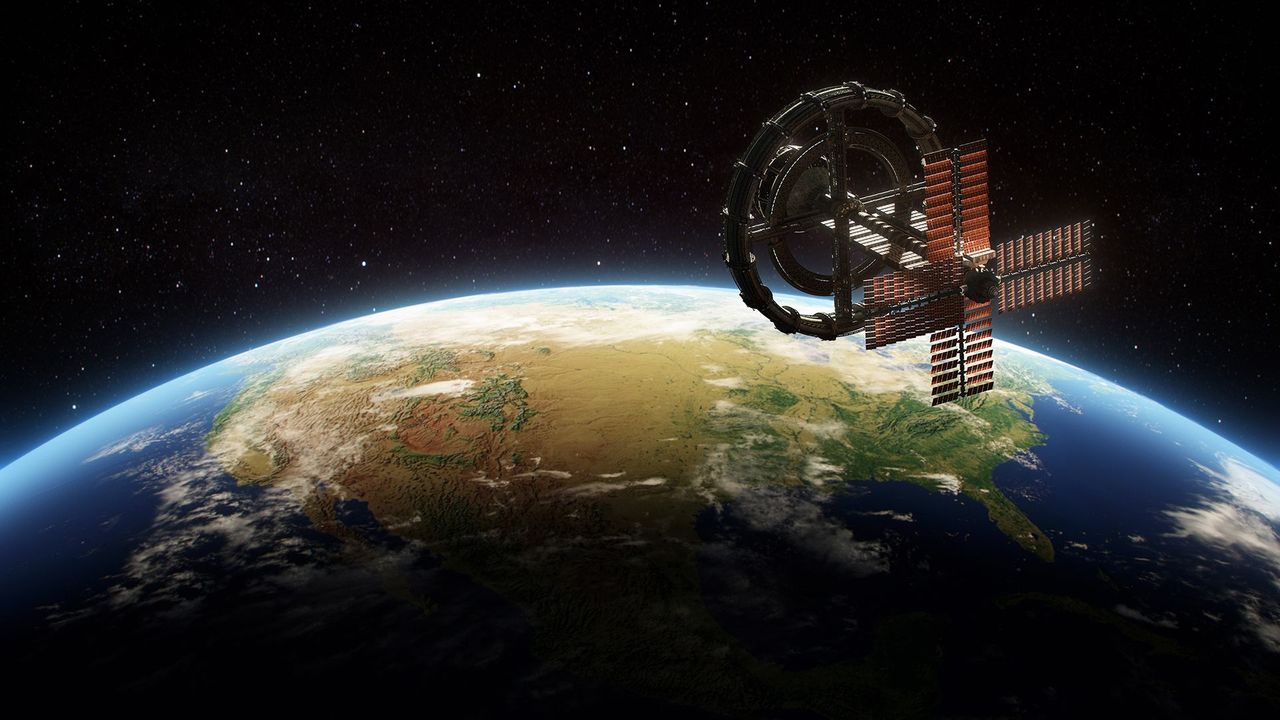
The Wonders of International Space Stations
International Space Stations (ISS) are marvels of human ingenuity and cooperation, orbiting high above the Earth in the vastness of space. These habitable artificial satellites serve as research laboratories where astronauts from different countries work together to conduct experiments, study the effects of long-duration space travel on the human body, and advance our understanding of science and technology.
Key Features of International Space Stations:
- International Collaboration: The ISS is a joint project involving multiple countries, including the United States, Russia, Europe, Japan, and Canada. This collaboration showcases how nations can come together for a common goal.
- Multinational Crew: Astronauts from various countries live and work on the ISS, fostering cultural exchange and teamwork in the unique environment of space.
- Microgravity Experiments: The microgravity environment on the ISS allows scientists to conduct experiments that would be impossible on Earth, leading to discoveries in physics, biology, materials science, and more.
- Spacewalks and Maintenance: Astronauts perform spacewalks to maintain and repair the station, demonstrating human adaptability in the harsh conditions of space.
- Educational Outreach: The ISS engages with schools around the world through educational programs that inspire students to pursue careers in science, technology, engineering, and mathematics (STEM).
The Future of International Space Stations
As we look ahead to the future, international cooperation in space exploration continues to be a cornerstone of scientific progress. Plans for new space stations beyond the ISS are already in development, paving the way for further discoveries and advancements in our quest to explore beyond Earth’s boundaries.
International Space Stations represent not only a triumph of technology but also a testament to what humanity can achieve when working together toward a shared vision of exploration and discovery. They serve as beacons of hope for a future where borders fade away in the vastness of space.
7 Key Questions About the International Space Station: Purpose, Partners, and Future Plans
- What is the International Space Station (ISS)?
- How many countries are involved in the International Space Station project?
- How long has the International Space Station been in orbit?
- What is the purpose of the International Space Station?
- How do astronauts live and work on the International Space Station?
- What kind of research is conducted on the International Space Station?
- Are there plans for future space stations after the ISS?
What is the International Space Station (ISS)?
The International Space Station (ISS) is a remarkable collaborative effort among multiple countries to create a habitable artificial satellite orbiting Earth. It serves as a cutting-edge research laboratory where astronauts from around the world work together to conduct experiments, study the effects of long-duration space travel on the human body, and push the boundaries of scientific knowledge. The ISS exemplifies the power of international cooperation in space exploration, showcasing how nations can come together to achieve common goals and advance our understanding of the universe beyond our planet’s boundaries.
How many countries are involved in the International Space Station project?
The International Space Station project involves a total of five countries: the United States, Russia, Europe (represented by the European Space Agency), Japan, and Canada. These nations collaborate closely to maintain and operate the ISS, demonstrating the power of international cooperation in space exploration. Each country brings unique expertise and resources to the project, fostering a spirit of unity and shared purpose in the pursuit of scientific discovery and advancements in space technology.
How long has the International Space Station been in orbit?
The International Space Station has been in orbit for over two decades, marking a remarkable milestone in human space exploration. Launched on November 20, 1998, the ISS has continuously hosted astronauts and cosmonauts from various countries, conducting groundbreaking research and experiments in the unique environment of space. Its longevity in orbit showcases the dedication and collaborative efforts of nations working together to push the boundaries of science and technology beyond Earth’s atmosphere.
What is the purpose of the International Space Station?
The primary purpose of the International Space Station (ISS) is to serve as a collaborative platform for scientific research and experimentation in the unique environment of space. Astronauts aboard the ISS conduct a wide range of studies to advance our understanding of human biology, physics, astronomy, and technology. The station also serves as a testing ground for long-duration space travel, essential for future missions beyond Earth’s orbit. Furthermore, the ISS fosters international cooperation among participating countries, showcasing how unity in exploration can lead to groundbreaking discoveries and innovations that benefit humanity as a whole.
How do astronauts live and work on the International Space Station?
Astronauts living and working on the International Space Station (ISS) navigate a unique daily routine shaped by the challenges of microgravity. In this weightless environment, astronauts float effortlessly through the station’s modules, conducting scientific experiments, maintaining equipment, exercising to combat muscle atrophy, and communicating with mission control and their fellow crew members. They eat specially packaged meals that can be rehydrated, secure themselves to surfaces with Velcro or foot restraints to stay in place while working, and sleep in sleeping bags attached to walls to prevent drifting. The ISS serves as both a scientific laboratory and a home for its multinational crew, showcasing the adaptability and resilience of humans in the extreme conditions of space.
What kind of research is conducted on the International Space Station?
Research conducted on the International Space Station covers a wide range of scientific disciplines, taking advantage of the unique microgravity environment in space. Scientists study topics such as human physiology to understand the effects of long-duration space travel on the body, materials science to develop new materials with applications on Earth, biology to explore how organisms adapt to space conditions, and physics to conduct experiments that would be impossible on Earth. The ISS serves as a crucial platform for advancing our knowledge across various fields and paving the way for future space exploration endeavors.
Are there plans for future space stations after the ISS?
The question of whether there are plans for future space stations after the ISS is one that sparks curiosity about the continued exploration of outer space. Indeed, discussions and initiatives are already underway to develop new space stations that will succeed the ISS. These future stations are envisioned to serve as platforms for ongoing research, collaboration, and innovation in space exploration. By planning ahead for the next generation of space habitats, scientists and engineers are paving the way for a sustained human presence in orbit and beyond, ensuring that the legacy of international cooperation in space continues to thrive in the years to come.