
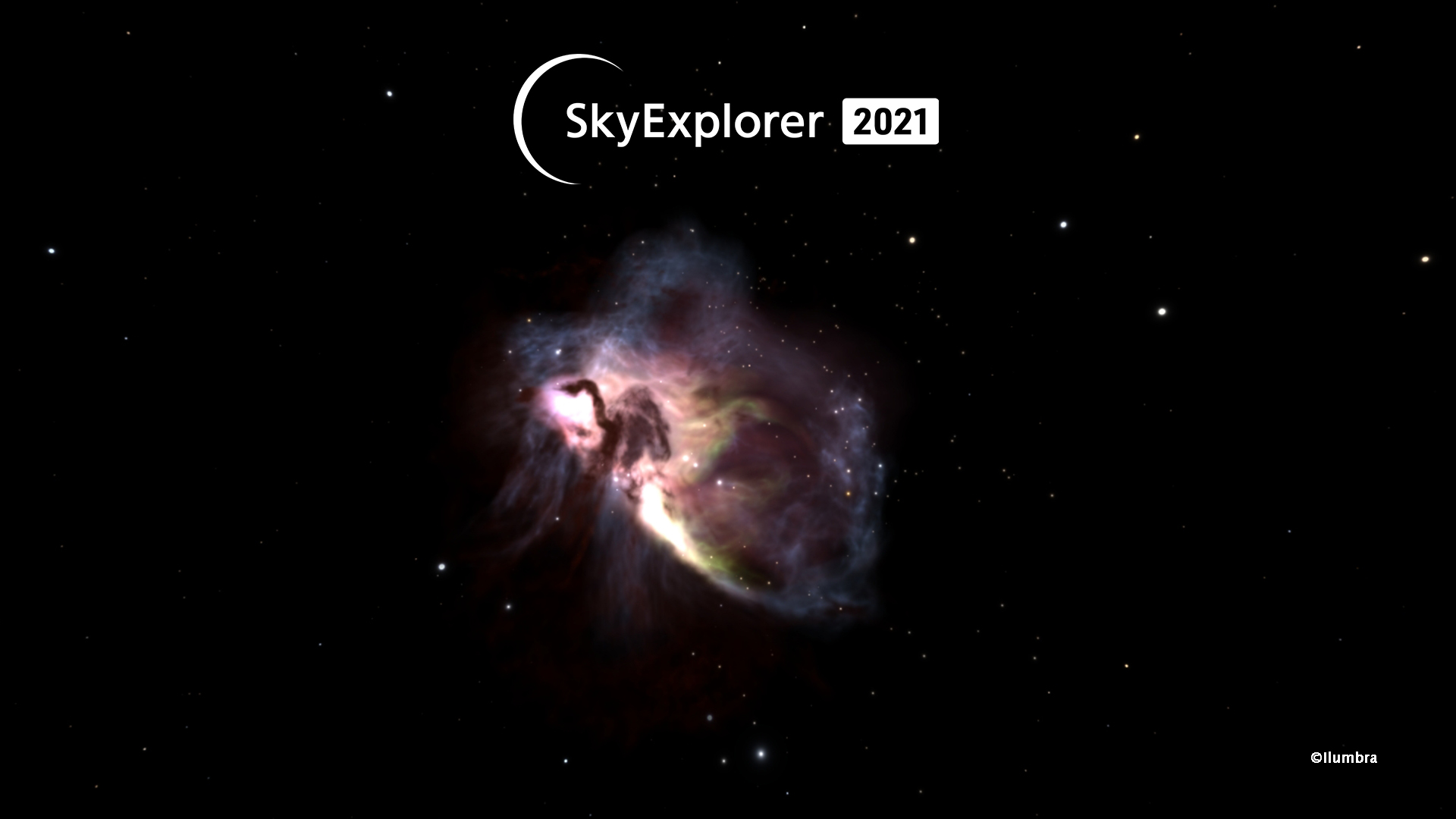
The Orion Cluster: A Stellar Marvel in the Night Sky
The Orion Cluster, also known as the Orion Nebula or Messier 42, is a breathtakingly beautiful region of space located in the constellation of Orion. Visible to the naked eye on clear nights, this celestial wonder has captivated astronomers and stargazers for centuries.
At the heart of the Orion Cluster lies a stellar nursery where new stars are born. This region is characterized by a glowing cloud of gas and dust illuminated by the intense radiation emitted by these young stars. The nebula’s distinctive pinkish hue comes from hydrogen gas excited by ultraviolet light.
One of the closest stellar nurseries to Earth, the Orion Cluster offers a unique opportunity to study star formation processes up close. Astronomers have identified protoplanetary disks within the nebula, hinting at the potential for planet formation around these young stars.
Aside from its scientific significance, the Orion Cluster holds a special place in human culture and mythology. In various ancient civilizations, including Greek and Native American cultures, Orion was often associated with great heroes or deities, adding a layer of mystique to this already mesmerizing cosmic spectacle.
For amateur astronomers equipped with binoculars or telescopes, observing the Orion Cluster can be a truly awe-inspiring experience. The intricate details of swirling gas clouds and bright young stars provide endless opportunities for exploration and discovery.
Whether you’re a seasoned stargazer or simply someone who appreciates the beauty of the night sky, take a moment to gaze upon the Orion Cluster and marvel at the wonders of our vast universe.
Exploring the Orion Cluster: 7 Fascinating Insights into This Star-Forming Marvel
- The Orion Cluster is also known as the Orion Nebula Cluster or Messier 42.
- It is a star-forming region located in the constellation of Orion.
- The cluster is visible to the naked eye and can be seen in the night sky from Earth.
- Orion Cluster contains many young stars, some of which are less than a million years old.
- It is one of the closest regions to Earth where massive stars are being formed.
- Observing the Orion Cluster through binoculars or a telescope can reveal intricate details of its structure.
- The cluster’s bright core is surrounded by fainter nebulosity, creating a stunning celestial sight.
The Orion Cluster is also known as the Orion Nebula Cluster or Messier 42.
The Orion Cluster, alternatively referred to as the Orion Nebula Cluster or Messier 42, is a celestial marvel nestled within the constellation of Orion. This stellar hotspot, known for its vibrant display of star formation and nebulous beauty, has long intrigued astronomers and stargazers alike with its captivating presence in the night sky.
It is a star-forming region located in the constellation of Orion.
The Orion Cluster, a star-forming region nestled within the constellation of Orion, serves as a celestial cradle where new stars are born. This captivating astronomical phenomenon showcases the intricate dance of gas and dust as it transforms into luminous stars, offering a glimpse into the mesmerizing process of stellar birth and evolution in the vast expanse of our night sky.
The cluster is visible to the naked eye and can be seen in the night sky from Earth.
The Orion Cluster, a dazzling celestial phenomenon also known as the Orion Nebula or Messier 42, is a captivating sight that can be observed with the naked eye from Earth. Located in the constellation of Orion, this stellar nursery shines brightly in the night sky, offering amateur astronomers and stargazers the opportunity to witness its beauty and wonder firsthand.
Orion Cluster contains many young stars, some of which are less than a million years old.
The Orion Cluster, a celestial marvel nestled within the constellation of Orion, boasts a plethora of youthful stars, with some being mere infants at less than a million years old. This stellar nursery showcases the dynamic process of star formation in action, offering astronomers a glimpse into the early stages of these cosmic entities’ lives. The presence of such young stars within the Orion Cluster not only highlights its significance as a site of ongoing creation but also underscores the beauty and complexity of our ever-evolving universe.
It is one of the closest regions to Earth where massive stars are being formed.
The Orion Cluster stands out as one of the nearest celestial regions to Earth where the remarkable process of massive star formation takes place. Located within the constellation of Orion, this stellar nursery offers astronomers a unique opportunity to witness the birth of massive stars up close. The intense radiation and gravitational forces within the cluster contribute to the creation of these colossal celestial bodies, adding to the allure and scientific importance of this captivating cosmic phenomenon.
Observing the Orion Cluster through binoculars or a telescope can reveal intricate details of its structure.
Observing the Orion Cluster through binoculars or a telescope can unveil a mesmerizing tapestry of intricate details within its structure. With the aid of magnification, stargazers can witness the delicate swirls of gas clouds, the radiant glow of young stars, and the dynamic interplay of light and shadow that characterize this celestial marvel. Peering into the heart of the Orion Cluster offers a glimpse into the cosmic dance of creation, where new stars are born amidst swirling nebulae, inviting observers to immerse themselves in the wonders of the universe.
The cluster’s bright core is surrounded by fainter nebulosity, creating a stunning celestial sight.
The Orion Cluster’s mesmerizing beauty is highlighted by its bright core, which is enveloped by delicate and ethereal nebulosity. This juxtaposition of intense luminosity at the center surrounded by a softer, more diffuse glow creates a truly captivating celestial spectacle that never fails to inspire awe and wonder in those who gaze upon it.