
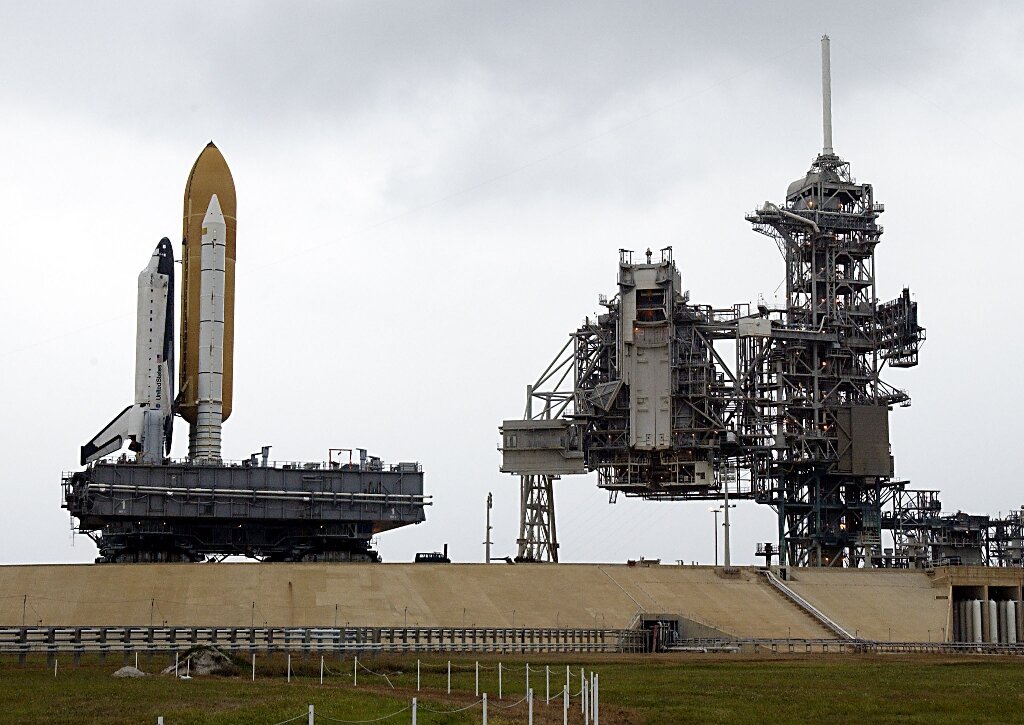
The Columbia Space Shuttle Disaster: Remembering the Tragedy
On February 1, 2003, the world watched in shock and disbelief as the space shuttle Columbia disintegrated upon re-entry into Earth’s atmosphere, claiming the lives of all seven crew members on board. The disaster not only marked a devastating loss for NASA but also served as a poignant reminder of the inherent risks and challenges of space exploration.
The Ill-Fated Mission
The STS-107 mission of the Columbia shuttle had been a 16-day scientific research expedition in space. The crew, consisting of Commander Rick Husband, Pilot William McCool, Mission Specialists Michael Anderson, Ilan Ramon, Kalpana Chawla, and Laurel Clark, as well as Payload Specialist David Brown, had conducted various experiments and observations during their time in orbit.
Tragedy Strikes
As Columbia re-entered the Earth’s atmosphere at the end of its mission, a piece of foam insulation from the shuttle’s external fuel tank broke off during launch and struck the left wing. This damage went unnoticed during the mission but proved to be catastrophic during re-entry. The intense heat generated by atmospheric friction caused structural failure in the wing, leading to the disintegration of the entire spacecraft.
NASA’s Response and Investigation
In the aftermath of the disaster, NASA launched an extensive investigation to determine the causes and contributing factors that led to the tragedy. The investigation revealed shortcomings in communication processes within NASA and highlighted lapses in safety protocols that had allowed critical issues to go unresolved.
Legacy of Courage and Exploration
The loss of Columbia and its crew was a profound tragedy that deeply affected not only their families and loved ones but also people around the world who admired their courage and dedication to exploration. In honoring their memory, we are reminded of both the risks inherent in pushing boundaries and our enduring human spirit that drives us to seek knowledge beyond our earthly confines.
As we remember the Columbia space shuttle disaster, we pay tribute to those who lost their lives in pursuit of scientific discovery and space exploration. Their sacrifice serves as a solemn reminder of both the dangers and rewards that come with venturing into unknown frontiers.
Key Questions About the Columbia Disaster: Causes, Crew Awareness, Survival, Final Moments, and Recovery Efforts
- What caused the Columbia disaster?
- Did Columbia crew know they were in trouble?
- Did the Columbia crew know there was a problem?
- How long did Columbia astronauts survive?
- What were the last words of the Columbia shuttle?
- Were the bodies of Columbia astronauts recovered?
What caused the Columbia disaster?
The Columbia disaster was caused by a piece of foam insulation that broke off from the shuttle’s external fuel tank during launch and struck the left wing. This impact damaged the thermal protection system, which went unnoticed during the mission but ultimately led to the structural failure of the wing upon re-entry into Earth’s atmosphere. The intense heat generated during re-entry resulted in the disintegration of the spacecraft, tragically claiming the lives of all seven crew members on board. The investigation following the disaster revealed critical lapses in safety protocols and communication processes within NASA, highlighting the need for enhanced vigilance and adherence to stringent safety measures in future space missions.
Did Columbia crew know they were in trouble?
Following the Columbia space shuttle disaster, one of the frequently asked questions is whether the crew knew they were in trouble as the spacecraft re-entered Earth’s atmosphere. While the exact sequence of events remains unclear, it is believed that the crew likely became aware of some anomalies or issues during re-entry due to abnormal sensor readings and communication disruptions. However, the extent to which they comprehended the severity of the situation before the catastrophic disintegration of the shuttle remains a subject of speculation and investigation. The tragic loss of the Columbia crew serves as a poignant reminder of the risks and uncertainties inherent in space exploration.
Did the Columbia crew know there was a problem?
During the Columbia space shuttle disaster, the crew was not aware of the extent of the damage to the spacecraft. Although NASA engineers on the ground had detected issues with the shuttle’s thermal protection system, including damage to the left wing caused by foam insulation during launch, this information was not communicated to the crew in orbit. Tragically, as Columbia re-entered Earth’s atmosphere, the structural failure of the damaged wing led to the disintegration of the spacecraft, resulting in the loss of all seven crew members. The lack of communication and awareness of the problem underscored critical shortcomings in NASA’s safety protocols and decision-making processes during that fateful mission.
How long did Columbia astronauts survive?
Following the tragic Columbia space shuttle disaster on February 1, 2003, all seven astronauts onboard, including Commander Rick Husband, Pilot William McCool, and five mission specialists, tragically lost their lives. The disintegration of the spacecraft during re-entry into Earth’s atmosphere led to a sudden and catastrophic end to their lives. The crew did not survive the event, highlighting the inherent risks and challenges of space exploration that astronauts willingly face in their pursuit of scientific discovery and advancement in human knowledge.
What were the last words of the Columbia shuttle?
The last words transmitted from the Columbia space shuttle before its tragic disintegration were reported to be from Commander Rick Husband, who calmly acknowledged communication with Mission Control in Houston. His final words, “Roger, uh, buh…” were abruptly cut off as the shuttle’s communication was lost. The poignant silence that followed serves as a haunting reminder of the sudden and heartbreaking end to the STS-107 mission and the lives of all seven crew members aboard the Columbia.
Were the bodies of Columbia astronauts recovered?
Following the tragic Columbia space shuttle disaster in 2003, the bodies of the seven astronauts onboard were recovered. Search and recovery teams located human remains and debris from the spacecraft in various locations across Texas and Louisiana. The meticulous efforts of these teams helped bring closure to the families and loved ones of the fallen astronauts, allowing for proper memorial services and honors to be conducted in remembrance of their sacrifice.