
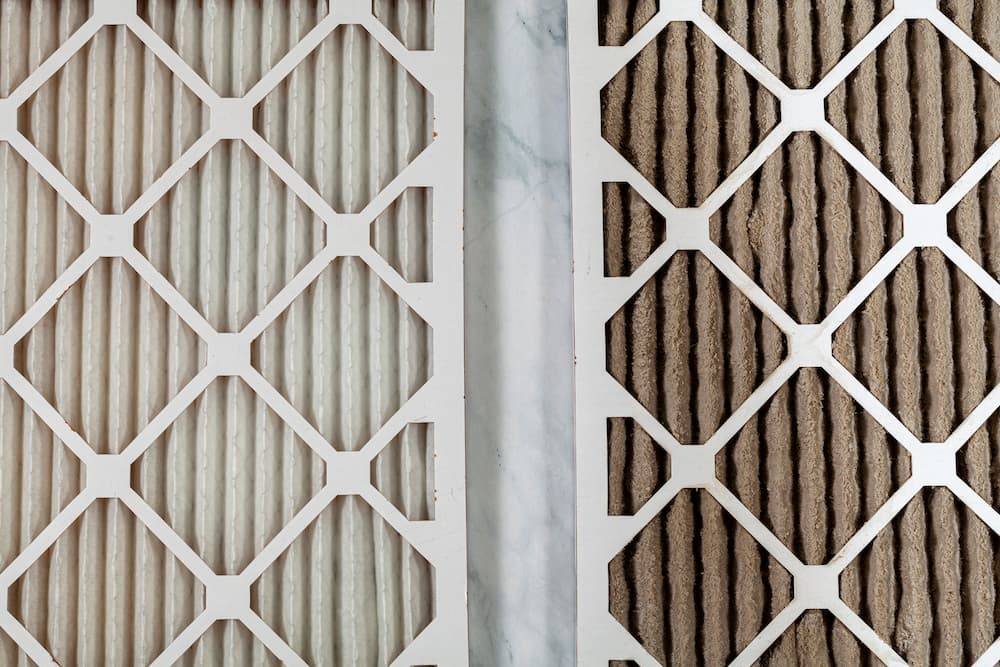
The Importance of AC Filters for Your Home
When it comes to maintaining a comfortable and healthy indoor environment, the air conditioning system plays a crucial role. One often overlooked component of the AC system is the air filter. AC filters are designed to trap dust, dirt, pollen, and other particles to ensure that the air circulating in your home is clean and free from contaminants.
Why Are AC Filters Important?
AC filters serve several important purposes:
- Improved Air Quality: Clean filters help remove allergens and pollutants from the air, making it safer to breathe, especially for those with respiratory issues.
- Efficient Operation: A clogged or dirty filter can restrict airflow, forcing the AC system to work harder and consume more energy. Regularly replacing filters can help maintain optimal efficiency.
- Prolonged System Lifespan: By preventing dust and debris from accumulating in the system, clean filters can extend the lifespan of your AC unit and reduce the need for costly repairs.
Types of AC Filters
There are different types of AC filters available on the market, including:
- Fiberglass Filters: These are inexpensive but have lower efficiency in capturing smaller particles.
- Pleated Filters: Made of higher-quality materials, pleated filters offer better filtration and improved airflow.
- HEPA Filters: High-Efficiency Particulate Air (HEPA) filters are highly effective at trapping even tiny particles but may be more expensive.
Maintaining Your AC Filters
To ensure that your AC system operates efficiently, it’s essential to regularly check and replace your filters. The frequency of replacement depends on factors such as filter type, household size, pets, and indoor air quality. As a general guideline, most filters should be replaced every 1-3 months.
In conclusion, AC filters play a vital role in maintaining indoor air quality, improving energy efficiency, and prolonging the lifespan of your air conditioning system. By investing in quality filters and following a regular maintenance schedule, you can enjoy cleaner and healthier air in your home while maximizing the performance of your AC unit.
9 Benefits of AC Filters: Enhancing Air Quality, Efficiency, and Comfort
- Improved indoor air quality by trapping dust, pollen, and other allergens.
- Helps maintain a cleaner living environment by reducing airborne particles.
- Promotes better respiratory health for occupants, especially those with allergies or asthma.
- Enhances the efficiency of the AC system by ensuring proper airflow.
- Extends the lifespan of the air conditioning unit by preventing dirt buildup.
- Reduces energy consumption and lowers utility bills when filters are clean.
- Easy to replace and cost-effective maintenance solution for homeowners.
- Different filter options available to suit specific needs, such as HEPA filters for superior filtration.
- Contributes to a more comfortable and pleasant indoor atmosphere for occupants.
6 Drawbacks of AC Filters: Costs, Maintenance, and Performance Issues
- Regular replacement can be a recurring expense.
- Some filters may restrict airflow if not properly sized or installed.
- Certain high-efficiency filters can be more expensive upfront.
- Improper maintenance or neglecting filter changes can lead to reduced AC performance.
- Changing filters may require physical effort and time, especially in hard-to-reach locations.
- Selecting the wrong type of filter for your AC system can result in suboptimal filtration.
Improved indoor air quality by trapping dust, pollen, and other allergens.
One of the key benefits of AC filters is their ability to enhance indoor air quality by effectively capturing dust, pollen, and other allergens. By trapping these particles, AC filters help create a healthier environment by reducing the presence of potential irritants that can trigger allergies or respiratory issues. This feature is especially beneficial for individuals with sensitivities to airborne contaminants, as clean filters work to purify the air circulating in the home, promoting a cleaner and more comfortable living space.
Helps maintain a cleaner living environment by reducing airborne particles.
AC filters play a crucial role in helping to maintain a cleaner living environment by effectively reducing airborne particles such as dust, pollen, pet dander, and other allergens. By trapping these particles, AC filters prevent them from circulating in the air inside your home, resulting in improved indoor air quality. This not only creates a healthier living space but also reduces the amount of dust and allergens that settle on surfaces, making it easier to keep your home clean and fresh. Regularly changing and maintaining AC filters can significantly contribute to a more comfortable and hygienic living environment for you and your family.
Promotes better respiratory health for occupants, especially those with allergies or asthma.
Clean and properly maintained AC filters play a crucial role in promoting better respiratory health for occupants, particularly individuals with allergies or asthma. By effectively trapping allergens, dust, and other airborne particles, AC filters help create a cleaner indoor environment with improved air quality. This filtration process can significantly reduce the presence of triggers that may exacerbate respiratory conditions, allowing allergy and asthma sufferers to breathe easier and enjoy a healthier living space. Regularly replacing AC filters is essential in ensuring optimal air filtration and supporting the well-being of those with respiratory sensitivities.
Enhances the efficiency of the AC system by ensuring proper airflow.
Ensuring proper airflow is a crucial benefit of AC filters as it enhances the efficiency of the entire air conditioning system. By trapping dust and debris, clean filters prevent obstructions that can impede airflow. With unobstructed airflow, the AC system can function optimally, cooling the indoor space more effectively and consuming less energy in the process. This not only helps maintain a comfortable environment but also contributes to lower energy bills and prolongs the lifespan of the AC unit. Regularly replacing AC filters to maintain proper airflow is key to maximizing the efficiency and performance of the system.
Extends the lifespan of the air conditioning unit by preventing dirt buildup.
One significant benefit of AC filters is their ability to extend the lifespan of the air conditioning unit by preventing dirt buildup. By capturing dust, debris, and other particles, the filter helps keep the internal components of the AC system clean and free from blockages. This not only improves the overall efficiency of the unit but also reduces wear and tear on essential parts, ultimately leading to a longer-lasting and more reliable air conditioning system. Regularly replacing and maintaining AC filters can significantly contribute to the longevity of your HVAC equipment, saving you money on costly repairs or premature replacements in the long run.
Reduces energy consumption and lowers utility bills when filters are clean.
Clean AC filters play a key role in reducing energy consumption and lowering utility bills. When air filters are free from dust and debris, the airflow in the HVAC system remains unobstructed, allowing the system to operate efficiently. This efficiency not only ensures optimal performance but also reduces the amount of energy needed to cool or heat the air. As a result, homeowners can enjoy cost savings on their utility bills while maintaining a comfortable indoor environment. Regularly replacing AC filters is a simple yet effective way to promote energy efficiency and save money in the long run.
Easy to replace and cost-effective maintenance solution for homeowners.
AC filters offer a convenient and cost-effective maintenance solution for homeowners due to their ease of replacement. By regularly changing the filters, homeowners can ensure optimal performance of their air conditioning system without the need for complex or expensive upkeep. This simple maintenance task not only helps improve indoor air quality but also contributes to energy efficiency and extends the lifespan of the AC unit, making it a practical choice for homeowners looking to keep their home environment clean and comfortable.
Different filter options available to suit specific needs, such as HEPA filters for superior filtration.
When it comes to the benefits of AC filters, one significant advantage is the availability of different filter options tailored to specific needs. For instance, HEPA filters offer superior filtration capabilities, effectively capturing even the tiniest particles in the air. This level of filtration is particularly beneficial for individuals with allergies or respiratory conditions, as it helps maintain a cleaner and healthier indoor environment. By providing a range of filter choices, including HEPA filters, AC systems can be customized to meet diverse air quality requirements and ensure optimal performance.
Contributes to a more comfortable and pleasant indoor atmosphere for occupants.
Clean and properly maintained AC filters contribute to a more comfortable and pleasant indoor atmosphere for occupants by effectively removing dust, allergens, and other particles from the air. By trapping these contaminants, the filters help reduce unpleasant odors, improve air quality, and create a healthier environment for residents. With cleaner air circulating throughout the space, individuals can breathe easier and enjoy a fresher and more inviting atmosphere within their homes or workplaces.
Regular replacement can be a recurring expense.
Regularly replacing AC filters can become a recurring expense for homeowners. Depending on the type and quality of the filters, the cost of purchasing new filters every 1-3 months can add up over time. This ongoing expense may be a concern for budget-conscious individuals, especially if they opt for higher-end filters that offer better filtration but come at a higher price point. However, while the cost of filter replacement should be taken into consideration, it is important to weigh this con against the benefits of improved air quality, energy efficiency, and system longevity that clean filters provide.
Some filters may restrict airflow if not properly sized or installed.
Some filters may pose a drawback by potentially restricting airflow if they are not correctly sized or installed in the air conditioning system. When filters are too small or improperly fitted, they can impede the flow of air through the system, leading to reduced efficiency and increased strain on the AC unit. It is crucial to ensure that filters are the right size and properly installed to prevent airflow restrictions and maintain optimal performance of the air conditioning system. Regular inspection and maintenance can help address this con and ensure that filters are functioning effectively.
Certain high-efficiency filters can be more expensive upfront.
Certain high-efficiency AC filters can pose a con in terms of their upfront cost. While these filters offer superior filtration capabilities and can significantly improve indoor air quality, their initial price tag may be higher compared to standard filters. This higher upfront cost can deter some homeowners from investing in these premium filters, especially if they are on a tight budget. However, it’s important to weigh the long-term benefits of improved air quality and energy efficiency that high-efficiency filters provide against the initial expense to make an informed decision that aligns with your priorities and needs.
Improper maintenance or neglecting filter changes can lead to reduced AC performance.
Improper maintenance or neglecting filter changes can have a detrimental impact on the performance of your air conditioning system. When filters become clogged with dirt, dust, and debris, airflow is restricted, causing the AC unit to work harder to cool the air. This increased strain not only reduces the efficiency of the system but can also lead to higher energy consumption and potential damage to components over time. Regularly changing AC filters is essential to ensure optimal performance and prevent unnecessary strain on your cooling system.
Changing filters may require physical effort and time, especially in hard-to-reach locations.
One downside of AC filters is that changing them can be a cumbersome task, particularly when they are located in hard-to-reach areas. This process may demand physical exertion and time to access and replace the filters effectively. In homes where the AC unit is installed in tight or elevated spaces, such as attics or crawl spaces, changing filters can be a challenging chore that requires careful maneuvering and possibly assistance. The inconvenience of reaching and replacing filters in these inaccessible locations adds an extra layer of difficulty to the regular maintenance routine of air conditioning systems.
Selecting the wrong type of filter for your AC system can result in suboptimal filtration.
Choosing the wrong type of filter for your AC system can lead to suboptimal filtration, compromising the air quality in your home. Filters that are not compatible with your system may not effectively capture dust, allergens, and other particles, reducing their ability to purify the air. This can result in poor indoor air quality and potentially exacerbate respiratory issues for occupants. It is crucial to select the right type of filter that is compatible with your AC unit to ensure efficient filtration and maintain a healthy living environment.